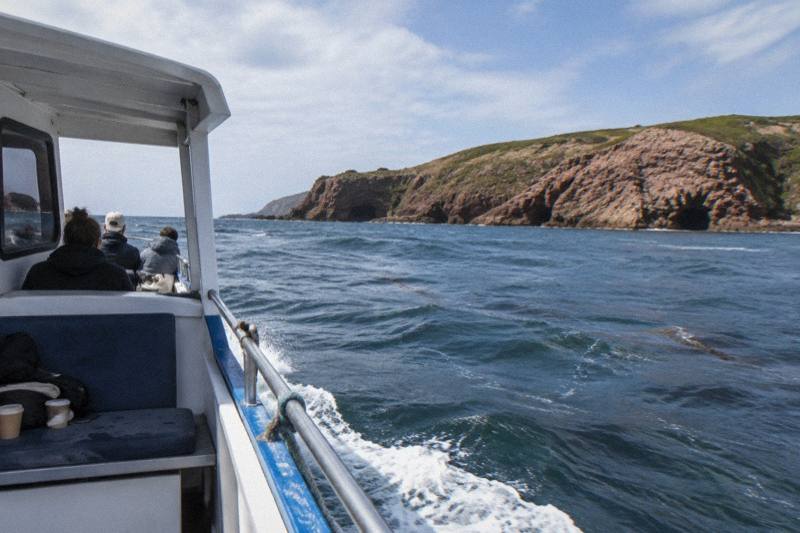
What To Wear On A Phillip Island Cruise?
Clothing, footwear and packing advice for boat tours around Phillip Island, Cape Woolamai and Seal Rocks, with local climate figures and what each cruise involves.
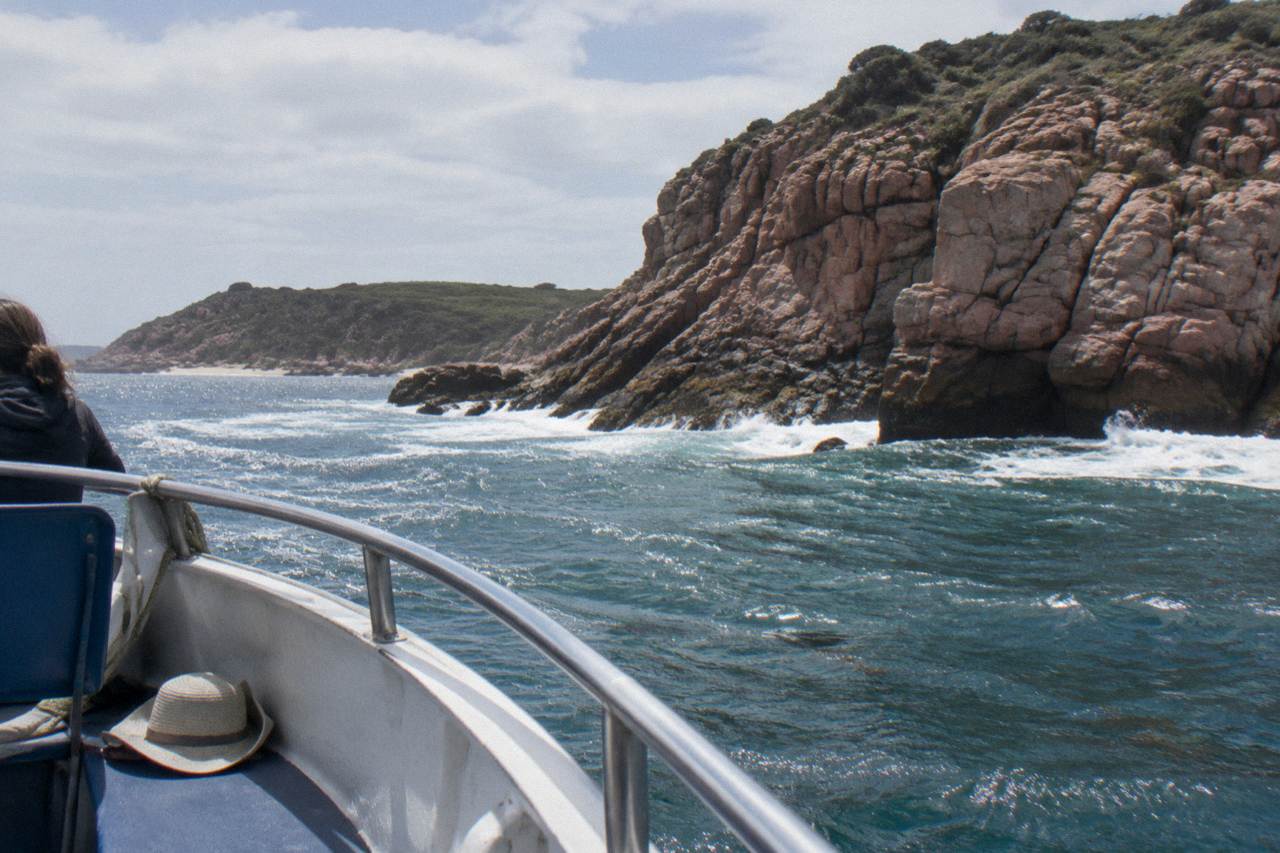
Wear layers you can peel off, topped with a windproof outer jacket, plus full sun protection and flat shoes with grip, because conditions between boarding and mid-cruise can feel like two different days. Phillip Island sits in the path of Bass Strait weather, and no booking page on this site mentions wet weather gear, so bring your own shell.
The honest starting point is that a Phillip Island cruise is a boat experience, not a lounge cruise, and a boat deck can be damp. Six tours are sold through this site: the Wildlife Coast Cruises 1 hour Cape Woolamai Scenic Cruise from San Remo, the 2 hour Seal Watching Cruise from Cowes, the 3 hour Dolphin And Whale Cruise from San Remo, the 4 hour Whale Watching Cruise from Rhyll, the Sunset Cruise from San Remo and the Local Way Tours Melbourne day trip with a cruise leg. Five of the six are run by Wildlife Coast Cruises, and all six list free cancellation up to 24 hours before departure, which matters if you want to hedge your clothing choices against a forecast. If you're planning to pair the boat trip with an evening at the Penguins, the guide to combining a Phillip Island cruise with the Penguin Parade lays out departure points and drive times so the two fit together.
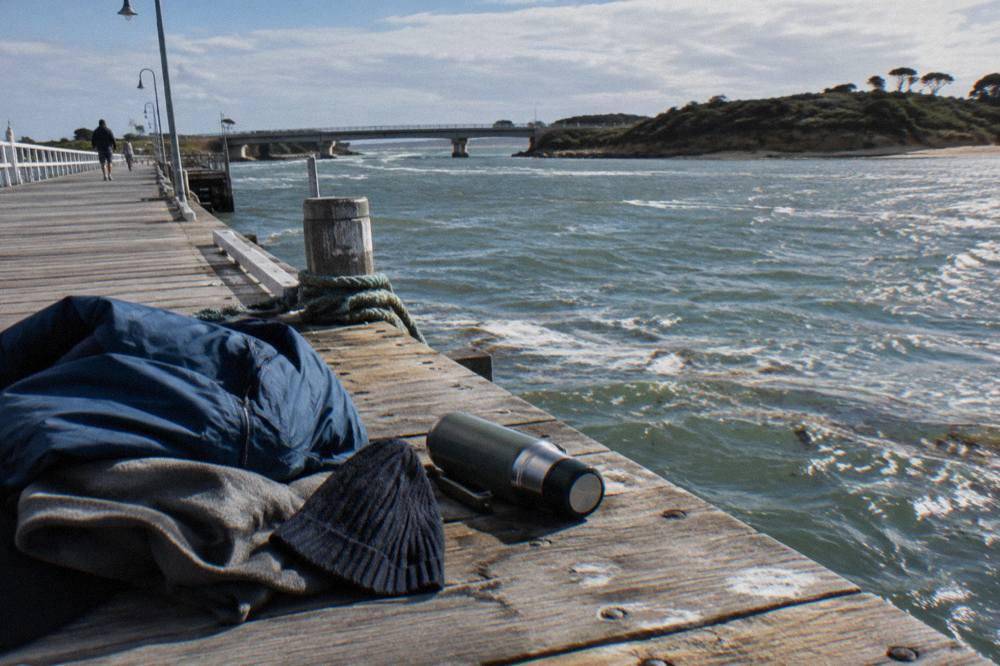
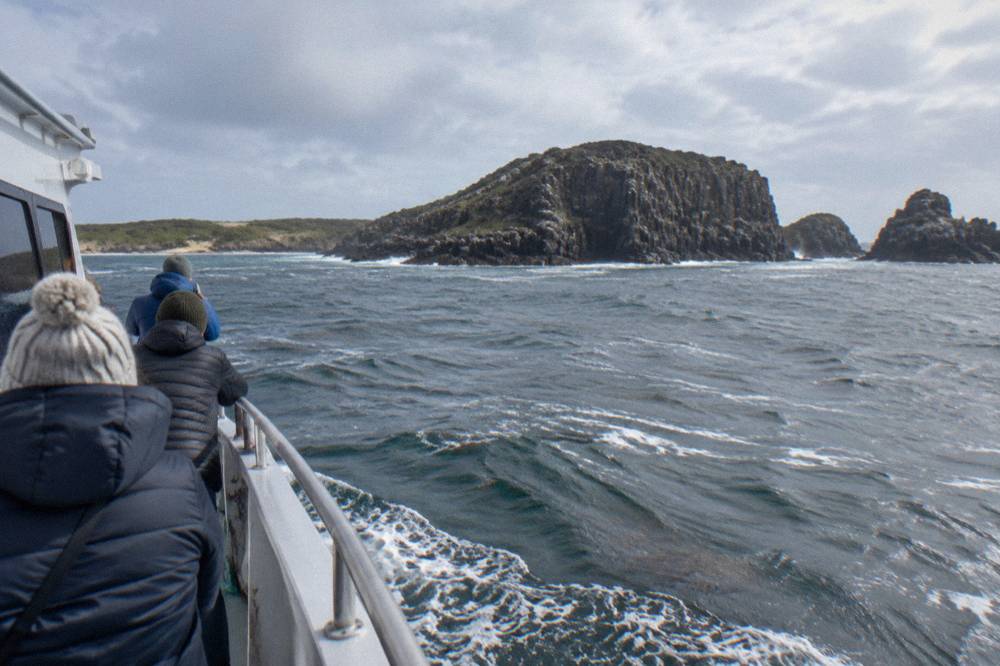
What makes Phillip Island different from a harbour cruise in a capital city is exposure. Nature Parks, the body that manages the Cape Woolamai reserve, states plainly that Cape Woolamai "is exposed and can experience severe weather changes". The cape is the island's highest point at 112 metres, and the cliffs the 1 hour scenic cruise views from the water take the full force of whatever Bass Strait sends in. On land that means carrying a jacket you did not need in the car park. On the water it means the same jacket, zipped.
The climate record supports the layering instinct. The nearest open Bureau of Meteorology station is at Rhyll, on the island's north shore, and it logged a 36-year temperature record to 2026: mean minimums of 8.2 degrees in July and 15.7 in January, mean maximums of 13.4 in July and 24.2 in January. Three pm mean wind speeds run between 16.3 and 21.1 km/h across the year at that land station. Those are shore figures, not open-water readings, but they establish the baseline: even summer mornings start cool enough that a single layer is a gamble.
Which Layers Work Best On A Phillip Island Boat Tour?
A base layer, a warm mid layer and a windproof outer shell, in that order, with the shell sized to fit over everything. Wear all three from the start on any cruise between May and September, and keep the shell in reach the rest of the year.
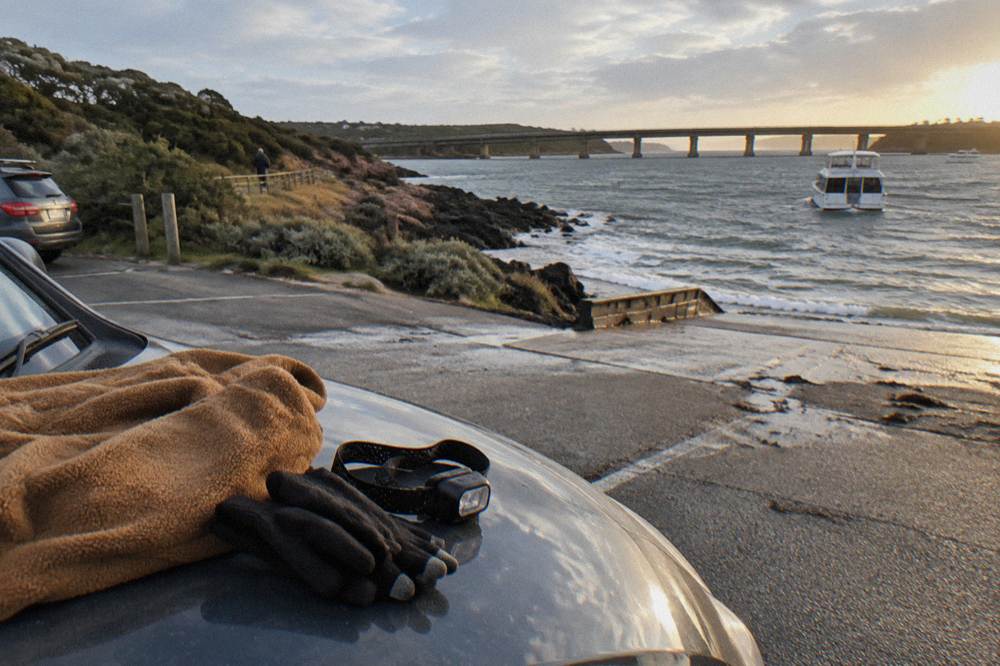
Think in threes. A thermal or long-sleeved merino base against the skin, a fleece or insulated mid layer for still air, and a windproof jacket as the outer wall. The reason the shell matters more than the insulation is convective heat loss: wind moving across wet or dry skin pulls warmth away faster than still air at the same temperature, and the deck of a moving boat generates its own airflow on top of the day's breeze. A warm puffer with a mesh outer face loses much of its advantage at speed; a plain windproof layer over a modest fleece often outperforms it.
Long trousers beat shorts on every one of the six cruises, including the 1 hour 45 minute Sunset Cruise from San Remo, which spends its time on Western Port Bay rather than the open Strait side. Jeans are tolerable but slow to dry and cold when damp; travel trousers, leggings or softshell pants are the practical pick. For the two longest days on the water, the 3 hour Dolphin And Whale Cruise and the 4 hour Whale Watching Cruise from Rhyll, both seasonal from late May to September, treat the clothing list as winter gear: beanie, scarf or buff, and gloves are not overkill when the July mean maximum at Rhyll is 13.4 degrees on land.
| Layer | What it does | Good examples | When you need it |
|---|---|---|---|
| Base | Moves moisture off the skin | Merino or synthetic long sleeve | All year on the water |
| Mid | Traps still air for warmth | Fleece, light puffer, woollen jumper | May to September always; summer mornings |
| Outer | Blocks wind and light rain | Windproof or waterproof shell | Every cruise, every month |
| Extras | Heat loss points | Beanie, buff, gloves | June to August whale cruises |
One practical note on the boat itself: the bow deck on the Wildlife Coast Cruises 1 hour Cape Woolamai Scenic Cruise is for people over 1 metre tall, per the booking page. Families planning to take small children forward should read that line before choosing footwear for them, since the bow is where the spray and the wind concentrate, and a child under the height limit stays behind the rail regardless of how warmly they are dressed. That cruise, from $34 per person and rated 4.6 across 453 reviews, includes cake, tea and coffee on board, which is a warm-hands argument in its own right.
The 2 hour Seal Watching Cruise from Cowes serves the same hot drinks and cake, and it is the highest rated tour on this site with a substantial review pool: 4.9 across 236 reviews, from $79 per person. Two hours on the water is long enough that the layer you shed at the jetty becomes the layer you want back by the turn, so tie sleeves around your waist rather than leaving anything in the car.
What Shoes Should You Wear On A Cape Woolamai Cruise?
Flat, enclosed shoes with grip: sneakers, deck shoes or light hiking shoes. A boat deck is a hard, sometimes damp surface with raised door sills, ropes and steps, and the Cape Woolamai cruise sells standing time at the rail and on the bow deck. Thongs, heels and smooth-soled dress shoes turn every trip from the cabin to the rail into a slip risk.
The honest test for footwear is the step from the jetty to the boat, then the stair or ladder between deck levels, then a wet patch near the rail where someone else's sleeve dragged through spray. Enclosed shoes handle all three. Sneakers with a tread pattern are the everyday answer, and any cruise around Phillip Island can be done in them, from the 1 hour scenic run out of San Remo to the 4 hour whale watching cruise out of Rhyll.
Sandshoes you do not mind splashing are better than shoes you are protecting. The instinct to wear your best pair for a holiday cruise works against you on a working boat, where the deck is hosed, the air is salty and the seating is functional. Salt spray dries into faint white lines on dark canvas, which is a laundry note rather than a safety one, but a real one. If the forecast is uncertain and you own a waterproof shoe or boot, the whale season months are when it earns its keep: Rhyll's rain-day count runs to 12.4 days of a millimetre or more in July and 12.7 in August, against 5.1 in January, per the BoM record at that station.
For the Melbourne day trip with a cruise leg, the footwear answer has to cover two surfaces: the Local Way Tours day runs about 12 to 13 hours from Arts Centre Melbourne, includes land stops at the Nobbies and the Penguin Parade, and the group max is 15. That is a full walking day with a 2 hour boat leg inside it, so one pair of comfortable enclosed shoes has to do the whole job. The booking page for that tour states lunch and dinner are not included, so the shoes are the one piece of the day you fully control.
How Cold Is Phillip Island Across The Year?
At Rhyll, the nearest open BoM station on the island's north shore, mean maximums range from 13.4 degrees in July to 24.4 in February and mean minimums from 8.2 in July to 15.9 in February. Rainfall peaks in August at 76.6 mm and bottoms in February at 37.0 mm. Those are land-station averages over a 36-year record, and they set the clothing floor for every month of the year.
The full monthly picture, from the Bureau of Meteorology's averages for the Rhyll station, gives you the planning table. Treat it as the shore baseline and add a layer for the deck, without assuming any fixed gap.
| Month | Mean max (C) | Mean min (C) | Mean rain (mm) |
|---|---|---|---|
| January | 24.2 | 15.7 | 38.4 |
| February | 24.4 | 15.9 | 37.0 |
| March | 22.8 | 14.8 | 38.3 |
| April | 19.7 | 12.7 | 59.2 |
| May | 16.5 | 10.8 | 71.8 |
| June | 14.1 | 9.0 | 66.8 |
| July | 13.4 | 8.2 | 69.7 |
| August | 14.4 | 8.5 | 76.6 |
| September | 16.2 | 9.5 | 65.3 |
| October | 18.2 | 10.7 | 65.3 |
| November | 20.2 | 12.3 | 62.2 |
| December | 22.0 | 13.8 | 45.0 |
The clothing translation is straightforward. January and February are the only months where a single warm layer under a windproof shell is comfortably enough; from April the mid layer goes back on; from late May to September, the whale season window when the Dolphin & Whale Cruise and the whale watching cruises run, plan for a proper winter kit. May records the lowest 3 pm mean wind speed of the year at 16.3 km/h and December the highest at 21.1 km/h, per the same station record, a reminder that summer is the windier half of the year on paper even though it is the warmer one.
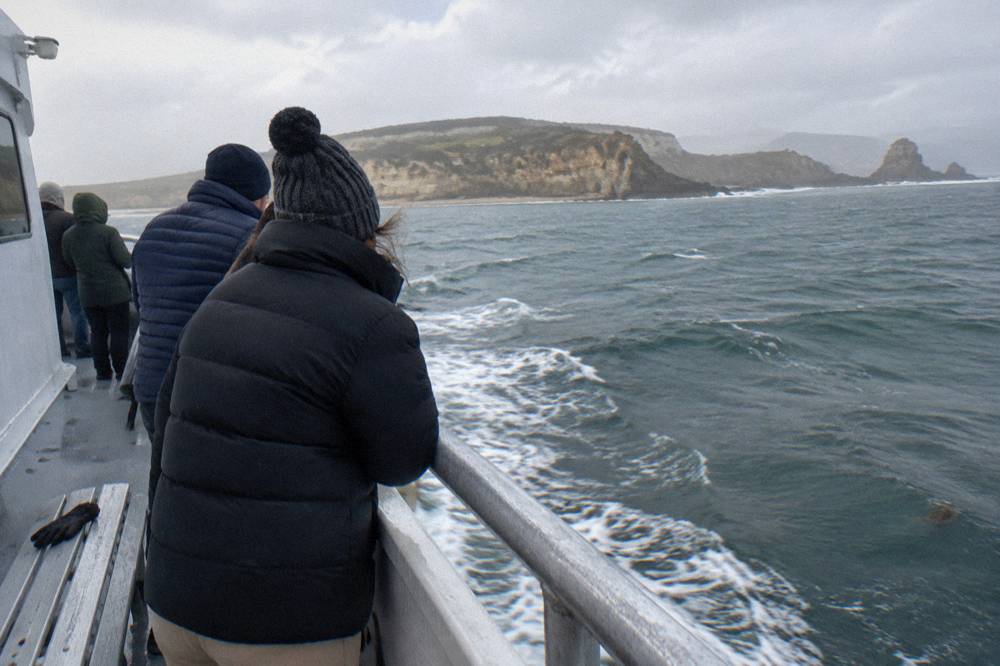
One more shore-side figure belongs here because it changes what people pack for the day around the cruise. Melbourne to San Remo is 123 km and about 1 hour 35 minutes of driving, per Visit Victoria's touring route figures, so a day tripper leaves a city forecast and arrives at a coastal one. Checking the Rhyll figures rather than the Melbourne ones the night before is the single most useful packing habit, and the Bureau's public climate averages page for the station is the place to look.
Do You Need A Windproof Jacket On A Seal Rocks Cruise?
Yes. The 2 hour Seal Watching Cruise from Cowes travels to a reef about 2 km off Phillip Island's western tip, and two hours of boat-speed air moving past an open deck will find every gap in your clothing. A jacket that stops the wind does more for comfort on this cruise than any amount of loose insulation, because trapped-still-air warmth only works while the wind stays outside the fabric.
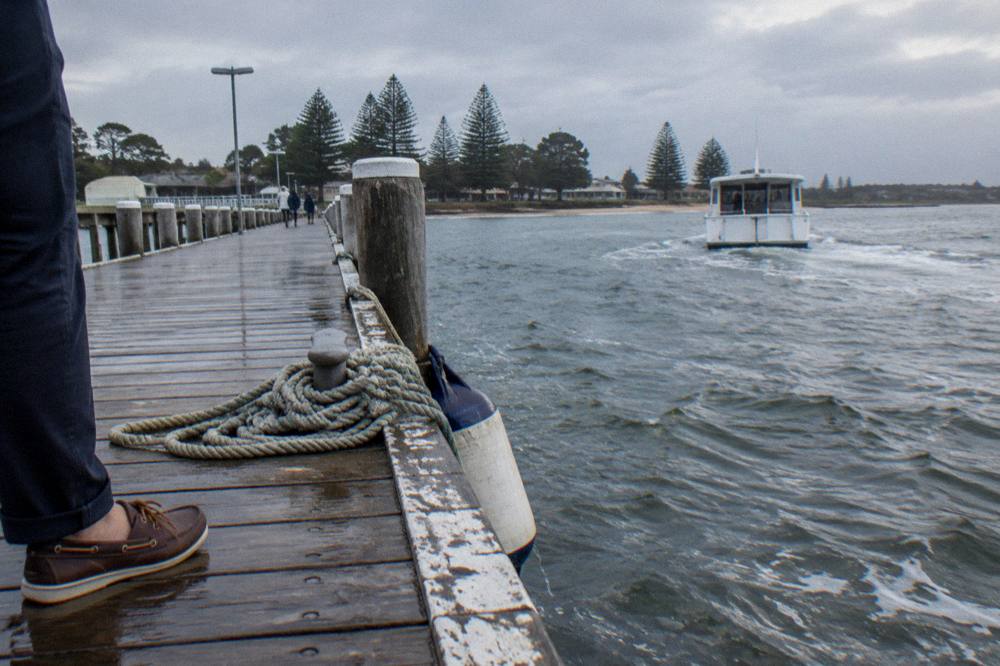
Seal Rocks sits at the western end of the island, and the colony there is significant by any official measure: Nature Parks describes it as a breeding area and nursery for around 20,000 Australian fur seals, 1.8 km off Phillip Island, while the state environment department calls it one of Australia's largest fur seal colonies. The cruise that names the reef is the 2 hour run from Cowes, from $79 per person, rated 4.9 across 236 reviews, with tea, coffee and cake served on board and free cancellation up to 24 hours before.
On clothing, the same three-layer logic applies, but the windproof piece does the heavy lifting because the boat spends most of its two hours at cruise speed or holding station in open water. Dress for the boat's heading, not the jetty's.
Under Victorian rules set by the environment department, boats must keep 60 metres off the low-water mark at Seal Rocks, and general approach distances apply around seals in the water; licensed tour operators may approach closer under permit conditions. For a passenger this is invisible, but it explains why the boat holds at a distance: binoculars or a camera zoom are worth packing alongside the jacket, and gloves that work a phone camera are worth more than dress gloves on this run.
What Should You Pack For A Sunset Cruise From San Remo?
Pack a warm mid layer under your jacket even in summer, something for your hands, and a small bag for anything you buy on board. The Wildlife Coast Cruises Sunset Cruise runs 1 hour 45 minutes on Western Port Bay, and since drinks, prawn buckets and cheese platters are paid extras while fruit, nibbles and live music come included, a free hand and cash-free readiness both matter.
Sunset timing shifts through the year and no clock times are listed on the booking page, so the packing rule is the temperature curve rather than the departure hour: evenings cool toward the night minimum, and the lowest mean minimums at Rhyll sit between 8.2 and 9.5 degrees from June to September. A cruise that begins in pleasant afternoon air ends closer to that minimum, on a boat, over water. The mid layer you leave at the hotel is the layer you want at the turn back.
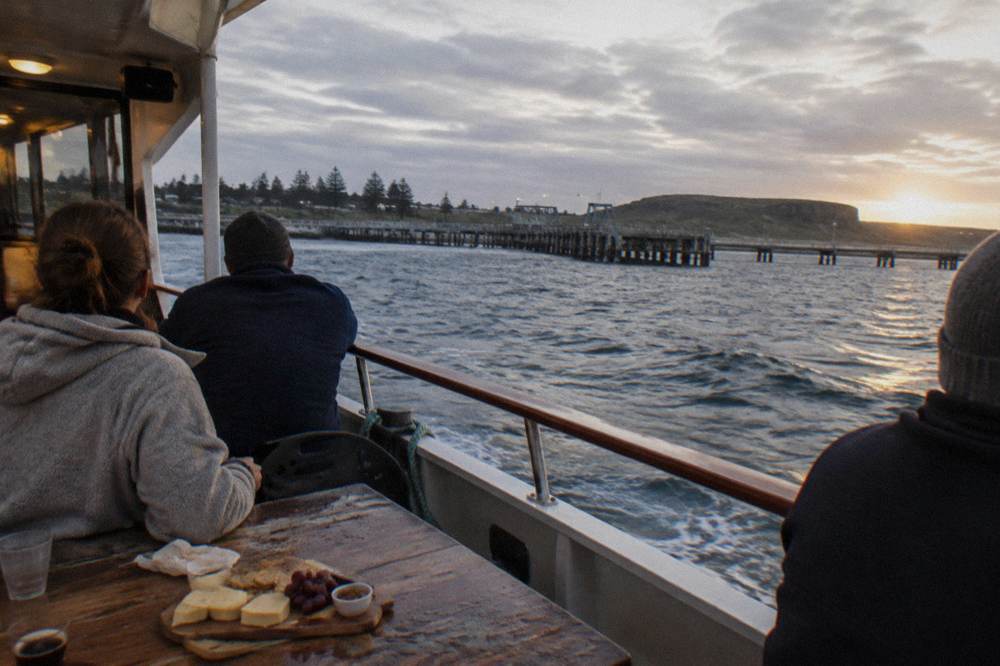
The sunset cruise departs San Remo for views over Western Port Bay, and the booking page does not name Cape Woolamai or Seal Rocks. Its clothing question is straightforward: a warm layer for the deck. Hotel pickup is stated as not included on this tour, and the same applies to the Whale Watching Cruise from Rhyll, so plan the walk or drive back from the jetty in whatever you wore on the water. If you are still weighing up which boat trip suits you best, the full rundown of Phillip Island cruises compares prices, durations, departure points and what each ride actually shows.
The Phillip Island Sunset Cruise from San Remo rates 4.7 across 39 reviews, thirty-nine people's evenings rather than a referendum. The guide to Phillip Island sunset cruises covers the tour in more depth if you are choosing between it and the scenic cruise.
Should You Bring Sun Protection On A Phillip Island Cruise?
Yes, in every month. UV does not need heat, and a boat deck adds reflected glare from the water on top of direct sun. Sunglasses, a brimmed hat that survives wind, and sunscreen on face, ears and hands are the standard kit for all six cruises on this site, from the 1 hour scenic run to the 12 to 13 hour Melbourne day trip, where sun exposure is a full-day problem with a boat leg in the middle.
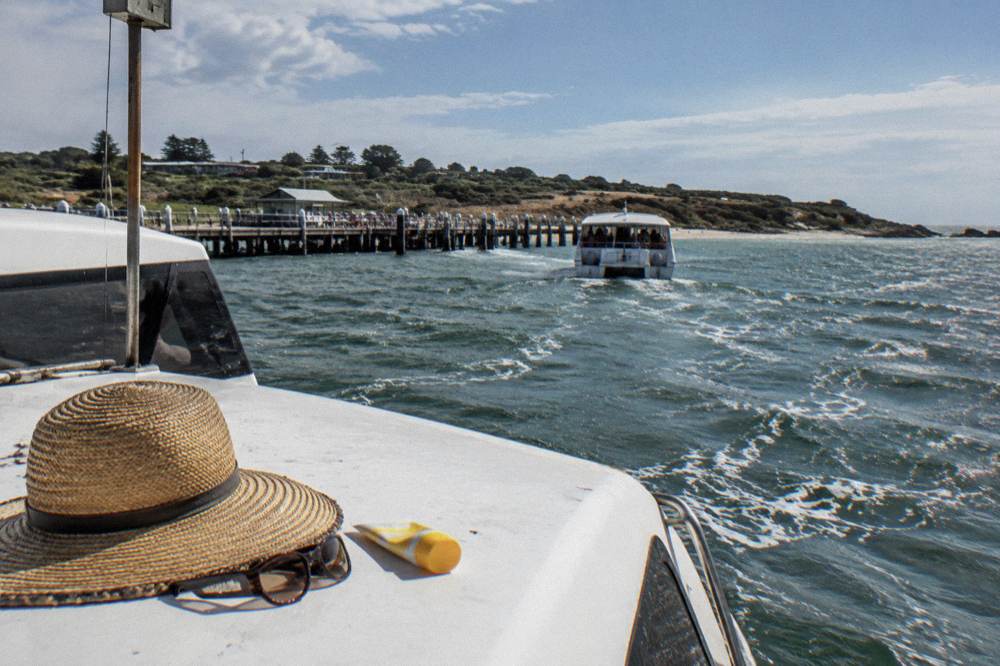
The winter whale cruises are where travellers get caught out. A July day at Rhyll averages a 13.4 degree maximum, which feels like a hat-and-scarf day, and it is, but the sun sits low over open water and glare off the surface is relentless during a 3 or 4 hour run. Polarised sunglasses earn their place on the Dolphin And Whale Cruise and the Whale Watching Cruise from Rhyll as much as on a February scenic cruise, perhaps more, since whale watching means long stretches looking toward the horizon.
A hat needs a chin strap or a tight fit; the alternative is donating it to Bass Strait within the first ten minutes. Caps work, though they leave ears exposed on a three-hour run. For children on the Cape Woolamai scenic cruise, remember the bow-deck height rule again: the front deck is for passengers over 1 m tall, so the small passengers who most want to stand up there are the ones who most need a hat that stays on.
Sunscreen belongs in the bag even when the sky is grey, because cloud diffuses rather than blocks UV, and the lowest monthly 3 pm mean wind at Rhyll is 16.3 km/h, so skin dries fast and sunscreen wears off faster than people expect. Lips need a stick with SPF, and hands, gripping rails and cameras for hours, are the most forgotten patch on the boat.
What Not To Wear On A Phillip Island Cruise?
Skip heels, thongs, loose scarves on the bow, expensive suede or canvas you would mourn, and any single layer you cannot add to. Also skip the assumption that the boat supplies rain gear: no listed cruise on this site mentions wet weather gear being provided, so if the forecast holds rain, the shell jacket you bring is the one you will have. Nothing in the booking pages bans any clothing item, these are comfort calls, not rules.
The expensive-clothing point deserves a line of its own. Boats are salty, damp, occasionally splashy environments with functional seating, and the best-dressed person on the deck is the one in clothes that can take a drop of spray without an incident. A dark jacket shows salt lines less than a light one; a hood you can cinch beats an umbrella, which has no business on a moving deck in any case.
Heels catch on stairs and gratings; thongs offer little grip and no warmth if the day turns cold; smooth leather soles slide underfoot. Long, loose scarves and wide-brimmed unsecured hats become projectiles in wind. For the Melbourne day trip, add one more: you will be walking at the Nobbies and the Penguin Parade in the same shoes, over gravel paths and boardwalks, for a day that runs about 12 to 13 hours from the Arts Centre Melbourne departure. Dress for the longest surface of your day, not the shortest.
For anyone pairing cruises or weighing ports, the post on which cruises leave from San Remo, Cowes and Rhyll sorts the six tours by departure point, which matters for clothing logistics: a Rhyll departure in August is a different packing morning than a summer sunset from San Remo, and knowing your port the night before is half the wardrobe battle.
The 1 hour scenic cruise remains the simplest test of everything above: one hour, from $34, tea and cake on board, a bow deck for the over-1-metre crowd, and cliffs that make the windproof jacket obvious the moment the boat turns toward the cape. If an hour on the water in your chosen layers sounds good, it is an easy way to find out whether the family wardrobe is boat-ready before committing to a whale season morning.
Whether the plan is a cape cliff run, a seal colony visit or an evening on the bay, the clothing answer barely changes: layers, a shell, enclosed shoes and sun protection, adjusted to the month. Pack that once and every cruise on Cape Woolamai Cruises becomes a matter of choosing a departure point.
Common Questions About What To Wear On A Phillip Island Cruise
What To Wear On A Phillip Island Cruise?
Layers you can adjust, a windproof outer jacket, sun protection and flat enclosed shoes with grip. Add a beanie and gloves for the late May to September whale season, when mean maximums at the Rhyll weather station sit between 13.4 and 16.5 degrees, and bring your own rain shell since no listed cruise mentions wet weather gear being provided.
Do I Need A Jacket In Summer On A Phillip Island Cruise?
Yes. Mean minimums at Rhyll run 15.7 to 15.9 degrees in January and February, and 3 pm mean wind speeds peak at 21.1 km/h in December, the highest of the year at that station. A light windproof layer over a single base layer covers a summer cruise; leave the mid layer at your own risk on an evening departure such as the Sunset Cruise from San Remo.
What Shoes Are Best For A Cape Woolamai Cruise?
Enclosed, flat shoes with grip, such as sneakers or deck shoes. The jetty step, deck stairs and damp patches near the rail are the three slip points on any boat, and the Cape Woolamai scenic cruise adds a bow deck, open to passengers over 1 metre tall, where spray and wind concentrate. Thongs and heels are the two clear misses.
Is A Seal Rocks Cruise Colder Than A Bay Cruise?
The 2 hour Seal Watching Cruise from Cowes heads to a reef at the island's western tip, where open water can mean sustained wind, so dress warmer than you would for a short hop near the jetty. The Sunset Cruise from San Remo stays on Western Port Bay.
Does The Boat Provide Wet Weather Gear?
No listed cruise on this site states that wet weather gear is provided, so bring your own waterproof or windproof shell. All six tours do state free cancellation up to 24 hours before departure with a full refund, and the whale, sunset and Melbourne tours add that a weather cancellation by the operator gives another date or a full refund.
What Should Children Wear On A Phillip Island Cruise?
The same layering kit in small sizes, plus a hat that stays on. The bow deck on the 1 hour Cape Woolamai Scenic Cruise is for people over 1 metre tall, per the booking page. No listed cruise states a minimum age, so clothing is the main planning variable for young passengers.