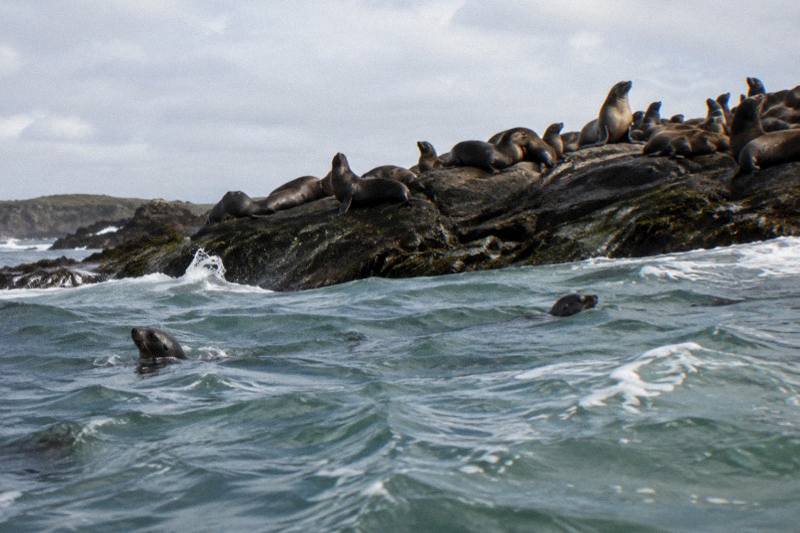
When Can You See Seals On A Phillip Island Cruise?
The booking page gives no season for this cruise, and seal numbers on the rocks change with the tide, the weather and the time of day. A practical guide to timing a Phillip Island seal cruise.
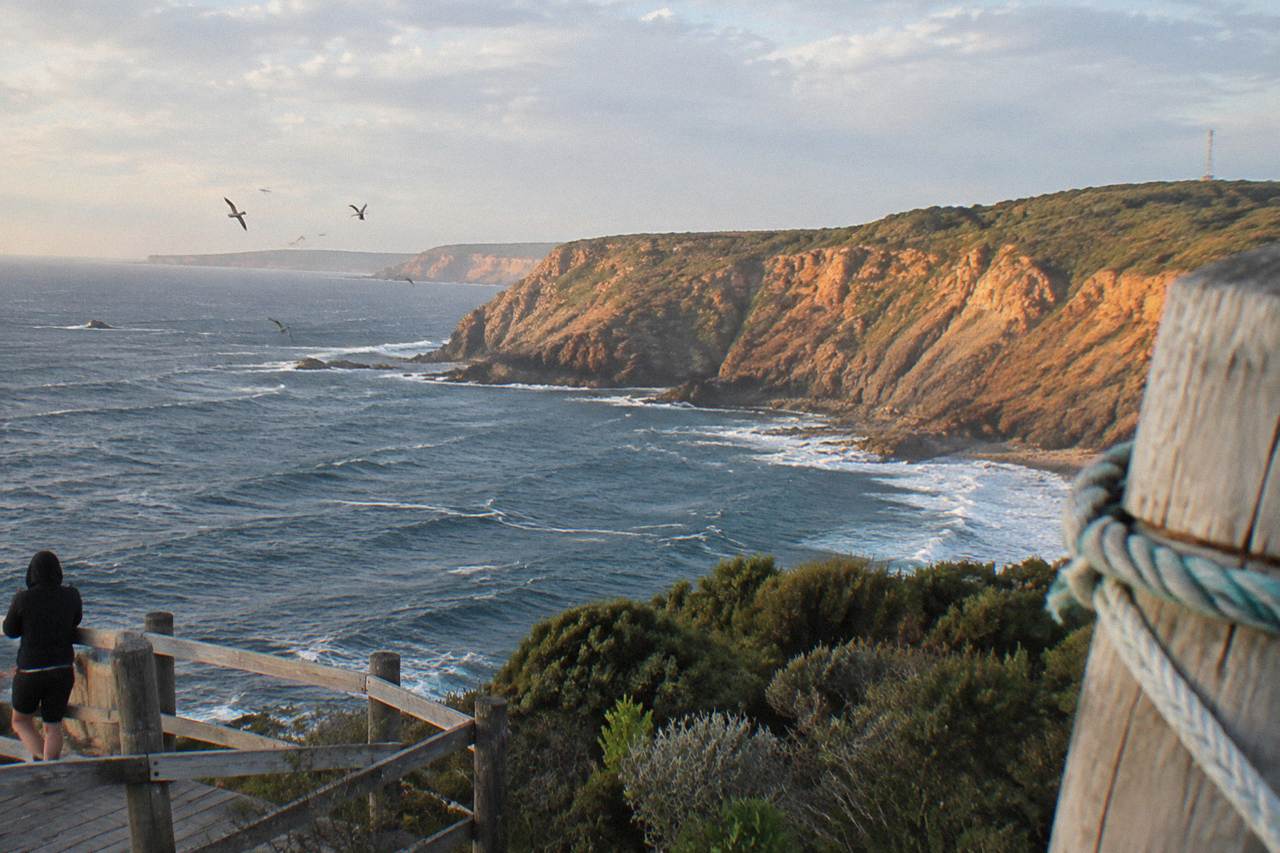
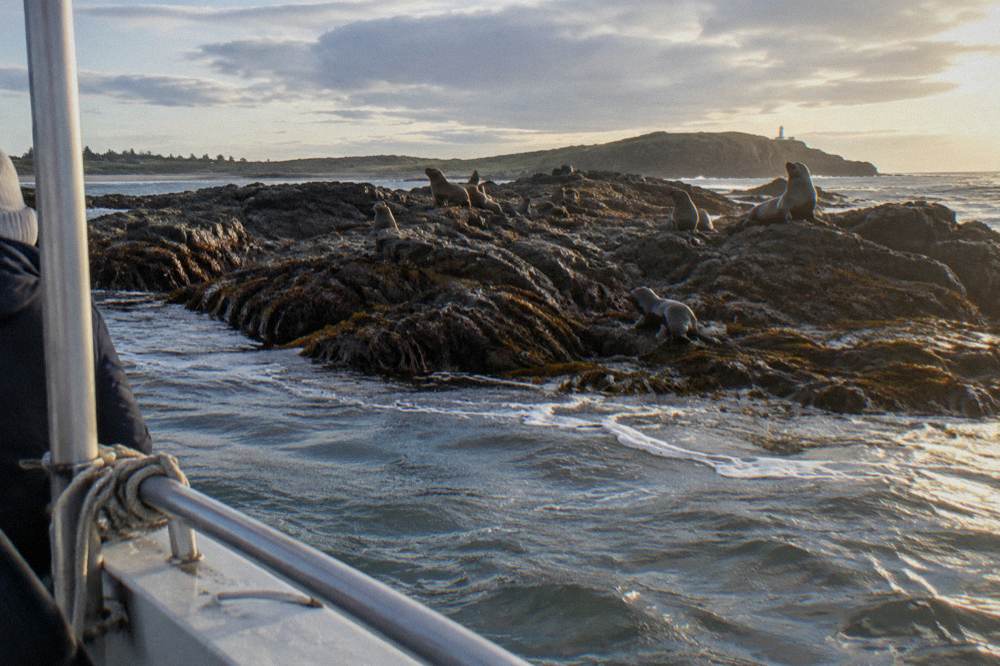
Nature Parks describes Seal Rocks, about 1.8 km off the island, as a breeding area and nursery for around 20,000 Australian fur seals, with between 5,000 and 8,000 animals on the rocks at any given time. That "at any given time" is the heart of the answer: the number of seals hauled out on the reef when a boat passes varies with tide, time of day and weather, and the booking page states no season for this cruise. Tide, temperature, time of day and weather all shift the count, Nature Parks says, so two cruises on consecutive days can look quite different. To plan around that variability, the guide to seal cruise timing at Phillip Island explains how the breeding calendar and Rhyll weather records point toward the most dependable dates.
For a traveller, that changes the question from "when are the seals there?" to "when do I want to go, and what do I want to see?" A reader planning a trip around Phillip Island and Cape Woolamai has real choices to make: which port to leave from, whether to add a whale cruise in winter, and whether to time a visit for the pup season in late spring. This article walks through each of those timing questions using the seasons and colony facts from Nature Parks, DEECA and the operator, alongside the cruise details on this site.
The booking page states no season for the seal cruise, so check it before you choose your dates. Nature Parks puts around 20,000 Australian fur seals at the site, with 5,000 to 8,000 hauled out at any given time. The one cruise on this site that names Seal Rocks, the Wildlife Coast Cruises 2 hour Seal Watching Cruise from Cowes, has no seasonal restriction.
The Wildlife Coast Cruises 2 hour Seal Watching Cruise from Cowes runs from $79 per person and is rated 4.9 across 236 reviews; the live booking page names no season, unlike the two seasonal whale cruises on this page. Its booking page names the visit to Seal Rocks directly, and it serves tea, coffee and cake on board. Departure is from Cowes, on the north of the island, with free cancellation up to 24 hours before the start.
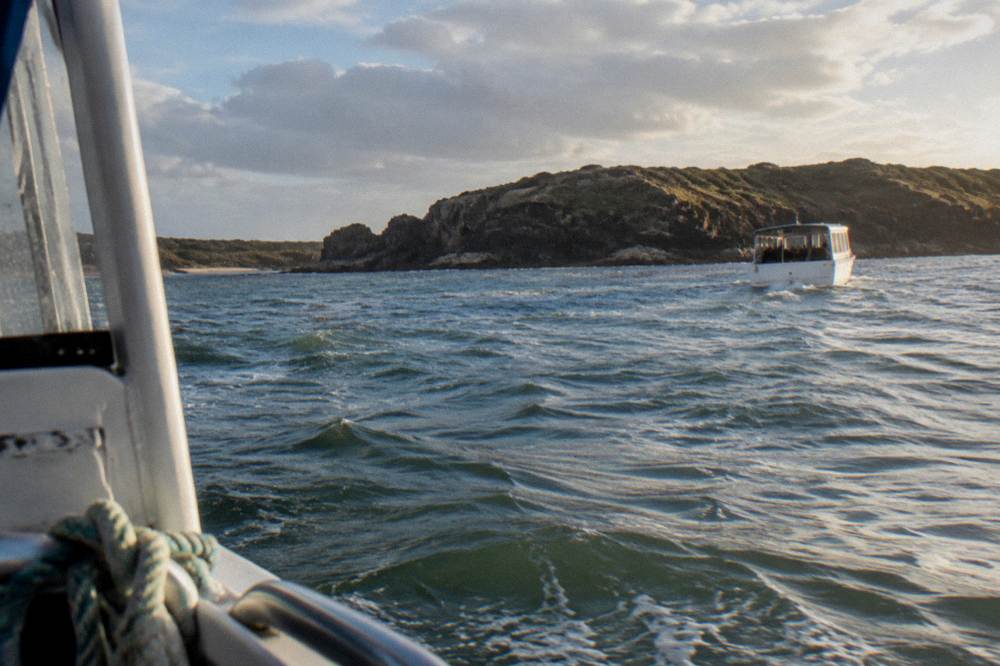
Seal Rocks sits at the western end of Phillip Island, about 2 km offshore in the Visit Victoria page wording, or 1.8 km in the Nature Parks figure. DEECA calls it one of Australia's largest fur seal colonies, and the seals themselves have a legal history worth knowing: the wildlife reserve at Seal Rocks was created in 1928, and killing seals in Victorian waters was banned in 1975, after over-harvesting in the 1800s left the population at around half its estimated original size, Nature Parks says. The colony a cruise visits today is the recovered remnant of that history.
There is also a land option, though it is a different experience: DEECA notes viewing platforms with coin-operated binoculars and interactive cameras at The Nobbies Centre, and Nature Parks names The Nobbies as its land viewing point for the colony. The guide to The Nobbies and Seal Rocks by cruise covers how the boat view and the platform view compare.
What Time Of Day Are Seals Most Visible At Seal Rocks?
Nature Parks says seal numbers ashore at Seal Rocks vary with the tide, temperature, time of day and weather, and does not name a best hour. The seals' own rhythm matters more than the clock: they return to the rocks to rest after feeding trips of 7 to 10 days at sea. Check the booking page for current departure times.
The reason numbers swing is feeding. Australian fur seals are pelagic feeders, and Nature Parks describes them returning to rest after 7 to 10 day stretches at sea, cruising at speeds around 9 km/h when they travel. On any given afternoon a portion of the colony is simply out at sea. That is why the honest framing for a visitor is between 5,000 and 8,000 seals at any given time rather than a single number, and why no cruise can promise a count on the day.
What a visitor can control is everything around the wildlife: which departure, which port, and what else fills the day. The 2 hour Seal Watching Cruise from Cowes pairs naturally with time in Cowes itself, which is 17 km and about 25 minutes from San Remo along the touring route Visit Victoria describes.
A common planning question is what to do with the rest of the day, and the post on free things to do around a Phillip Island cruise collects the walks and lookouts that cost nothing, including the Cape Woolamai tracks, where no entry fee is listed on the Nature Parks page.
Wondering whether the seal cruise is the right spend at all? Each of the six cruises shown here carries free cancellation up to 24 hours before departure, and the seal cruise is no exception.
When Does The Seal Watching Cruise Run?
The live booking page for the 2 hour Seal Watching Cruise from Cowes names no season. The cruise is not tied to the late May to September whale window. Only two cruises here are seasonal, the Dolphin And Whale Cruise and the 4 hour Whale Watching Cruise from Rhyll, and neither is a seal product.
This distinction matters because Phillip Island cruise searches often blur seals and whales together. The whale season at Phillip Island runs late May to September, with peak season June and July, according to Visit Phillip Island, and the two whale cruises on this site are flagged to that window. A traveller visiting in, say, February cannot book a whale cruise, but the seal cruise is a different product with no such restriction stated.
The operator behind the seal cruise is Wildlife Coast Cruises, which runs five of the six cruises on this site, and the Nature Parks page describes the operator as "partnered with" Phillip Island Nature Parks on the two hour cruise to Seal Rocks. For anyone comparing operators and ports, the guide to Wildlife Coast Cruises lays out the full range from San Remo, Cowes and Rhyll.
Timing a first cruise is a frequent question, and the post on the best time for a Phillip Island seal cruise goes deeper on seasons, crowd patterns and what changes through the year for the boat ride itself.
Which Cruise Actually Visits Seal Rocks?
Only one cruise on this site names Seal Rocks on its booking page: the Wildlife Coast Cruises 2 hour Seal Watching Cruise from Cowes, from $79 per person, rated 4.9 across 236 reviews. The Dolphin And Whale Cruise mentions only that you might also spot seals. No other cruise on this site names a Seal Rocks visit.
That is a sharper distinction than it sounds. Six cruises are shown on this site, and the phrase "seal cruise" could easily be assumed to cover several of them. It covers one. The 3 hour Dolphin And Whale Cruise from San Remo, from $93 per person in season, says only that you might also spot seals, which is a passing possibility rather than a destination. The 1 hour Cape Woolamai Scenic Cruise from San Remo, from $34, is oriented toward the granite cliffs and caves of Cape Woolamai viewed from the water, and its page says nothing about Seal Rocks.
| Cruise | From (USD pp) | Duration | Departs | Seal Rocks named? |
|---|---|---|---|---|
| 2 hour Seal Watching Cruise | $79.00 | 2 hours | Cowes | Yes, names the visit |
| 3 hour Dolphin And Whale Cruise (seasonal) | $93.00 | 3 hours | San Remo | Not named, might also spot seals |
| 1 hour Cape Woolamai Scenic Cruise | $34.00 | 1 hour | San Remo | Not named |
| 4 hour Whale Watching Cruise (seasonal) | $122.77 | 4 hours | Rhyll | Not named |
| Sunset Cruise | $55.42 | 1 hour 45 minutes | San Remo | Not named |
The practical reading of the table: a reader whose goal is seals books the Cowes cruise, and a reader who wants Cape Woolamai's cliffs, a sunset, or a seasonal whale trip books those instead, treating any seal sighting as a bonus. The blog post on which Phillip Island cruises leave from San Remo, Cowes and Rhyll covers the port differences in detail, since the six departures span four departure points once Melbourne is counted.
For a straight comparison between the two most-booked short options, the post on whether a Cape Woolamai cruise or a Seal Rocks cruise is better weighs the cliff scenery against the colony visit.
Can You See Seals From Cape Woolamai Or The 1 Hour Scenic Cruise?
The 1 hour Cape Woolamai Scenic Cruise from San Remo, from $34 and rated 4.6 across 453 reviews, cruises toward Cape Woolamai and views the granite cliffs and caves from the water. Its booking page does not name Seal Rocks, so it should be booked for the cape, not for seals. Cape Woolamai and Seal Rocks are at opposite ends of Phillip Island.
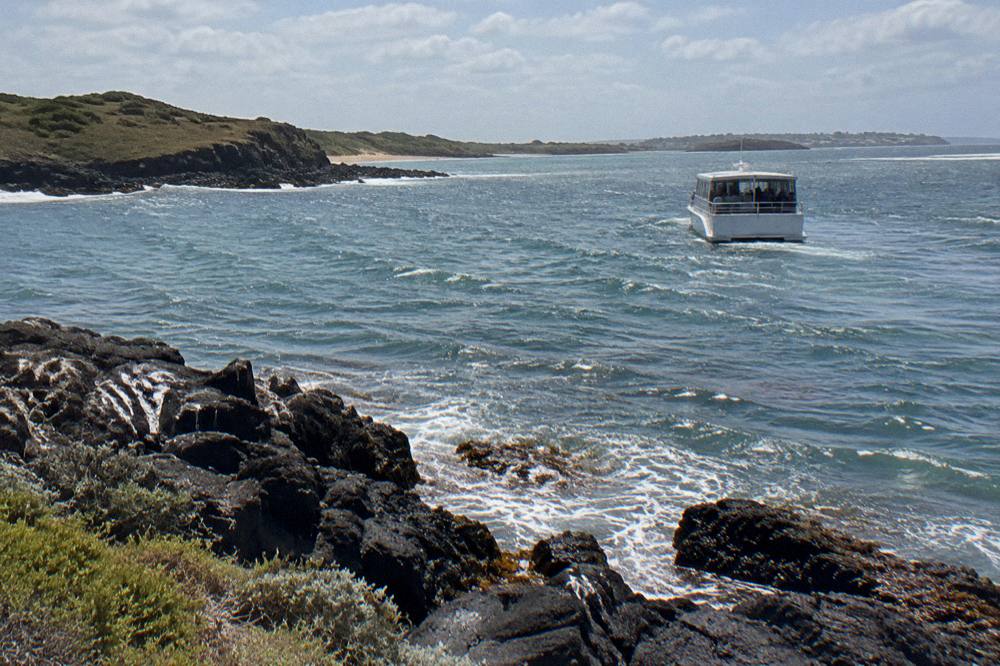
The geography explains it. Cape Woolamai is the granite headland at the south-eastern tip of the island, with its highest point at 112 m, the highest on Phillip Island according to Nature Parks, while Seal Rocks lies about 1.8 km off the western end. In straight-line terms, Seal Rocks sits roughly 22.6 km west of the Cape Woolamai cape point, a distance that makes a one hour cruise from San Remo, which is north-northeast of the cape at 5.1 km straight-line, a proposition about the cape rather than the colony. To see the colony itself rather than the headland scenery, the guide to the Phillip Island seal cruise to Seal Rocks covers the departure point, prices, and how close the boat actually gets to the seals.
That is not a knock on the scenic cruise. It is the most reviewed product on this site at 453 reviews, it includes cake, tea and coffee, and its bow deck is open to passengers over 1 metre tall, a detail from the booking page that matters to families. It also carries free cancellation up to 24 hours before the start. Travellers wanting both experiences sometimes book the 1 hour cape cruise and the 2 hour seal cruise on different days, which together still cost less than the Melbourne day trip.
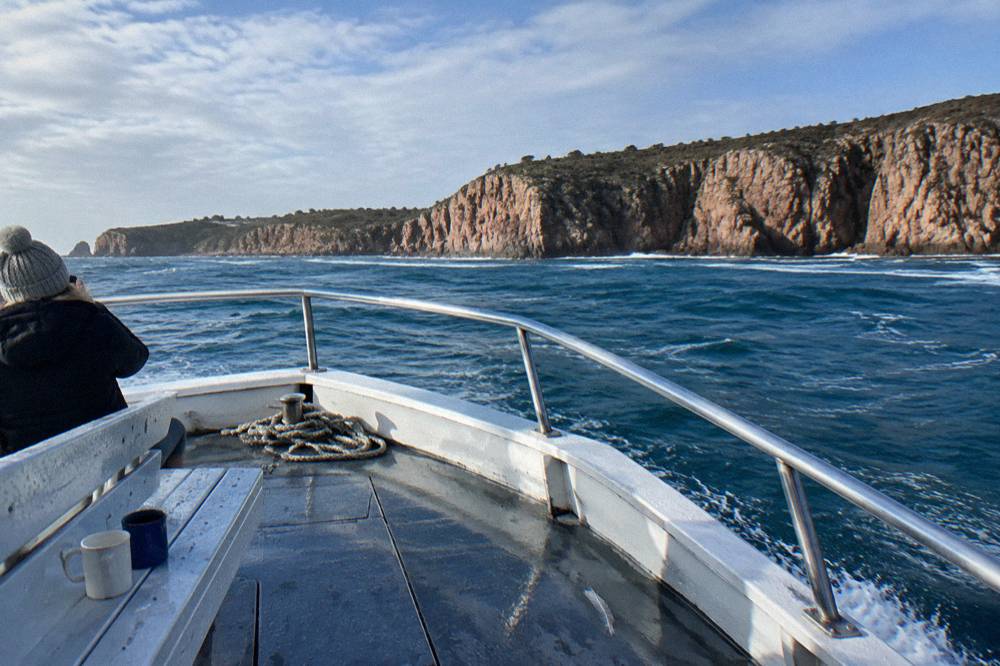
Cape Woolamai has its own wildlife calendar, distinct from the seals. Nature Parks records approximately half a million short-tailed shearwaters arriving at the cape in late September after a 16,000 km migration from the Aleutian Islands, with the dusk return visible between late September and mid-April in the Visit Victoria wording. Hooded plovers nest on the beach, and the area is a National Surfing Reserve. None of that is part of a cruise, but it shapes the cape as a destination, and the guide to things to do in Cape Woolamai by boat collects the full picture.
What About Whales And Seals Together In Winter?
Winter, late May to September with a June and July peak, is whale season, and two cruises on this site run in that window. Neither is a Seal Rocks product. The 3 hour Dolphin And Whale Cruise from San Remo passes Cape Woolamai's cliffs and notes you might also spot seals; the 4 hour Whale Watching Cruise from Rhyll names neither place.
The winter overlap is worth planning around rather than assuming. Humpbacks are the operator-described most commonly sighted whale around Phillip Island, southern rights often rest in sheltered bays, and orcas are much rarer, seen particularly near seal colonies like Seal Rocks in the operator's own wording. The operator also records occasional reports of pygmy blue and minke whales in Bass Strait, described as more elusive and further offshore. No sighting of any species is promised.
For a winter traveller whose priority is seals, the honest advice is to keep the two goals in separate bookings: the Cowes seal cruise for the colony, and a whale cruise for the migration. The 4 hour Whale Watching Cruise from Rhyll, from $122.77 and rated 4.7 across 97 reviews, includes morning tea, states hotel pickup is not included, and adds that a weather cancellation gives another date or a full refund. The 3 hour Dolphin And Whale Cruise from San Remo, rated 4.6 across 83 reviews, serves tea, coffee and cake with alcohol, soft drinks and snacks available to purchase, and passes the sheer cliffs of Cape Woolamai.
Rhyll, the departure point for the 4 hour cruise, is on the north of the island, and the Parks Victoria description of nearby Churchill Island Marine National Park, protected from the wind and waves of Bass Strait by Phillip Island itself, gives a sense of the eastern shore's character: large tidal variations of up to three metres in Western Port, inside a Ramsar-listed park. The guide to Phillip Island whale watching tours covers the winter fleet in full.
How Close Does The Boat Get To The Seals?
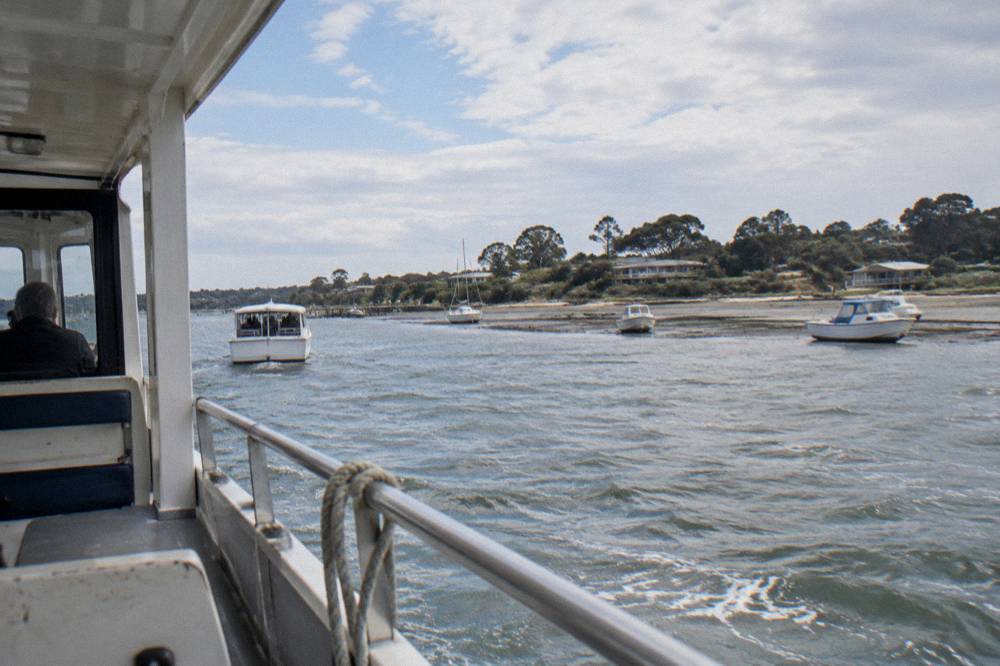
Boats must not approach within 60 metres of the low water mark at Seal Rocks, under DEECA's rules, and licensed tour operators may approach closer subject to permit conditions. In open water there is no stated approach limit for seals, but 5 knot caution zones apply within 50 m of a seal. DEECA also notes the seals are accustomed to humans and can be approached reasonably closely by boats.
The rulebook shapes every seal cruise more than visitors realise. DEECA's water safety rules set approach distances for whales and dolphins at 200 m and 100 m, caution zones with a 5 knot speed limit near all three species, and a specific 60 m low-water-mark limit at Seal Rocks, with jet skis barred within 200 m of a seal breeding colony and aircraft held to higher limits. Touching or feeding marine mammals is illegal. Licensed operators are permitted closer approaches than the public distances, subject to operating conditions.
None of this is a barrier to a good viewing experience, and DEECA's own note that seals are accustomed to humans cuts the other way: the animals at an established colony are habituated to vessel traffic, which is why boat viewing works at all. Visitors planning to fly drones should know the aircraft rules apply, a detail that catches out travellers who assume drone photography is unrestricted over water.
Is Late Spring Or Summer Better For Seal Pups?
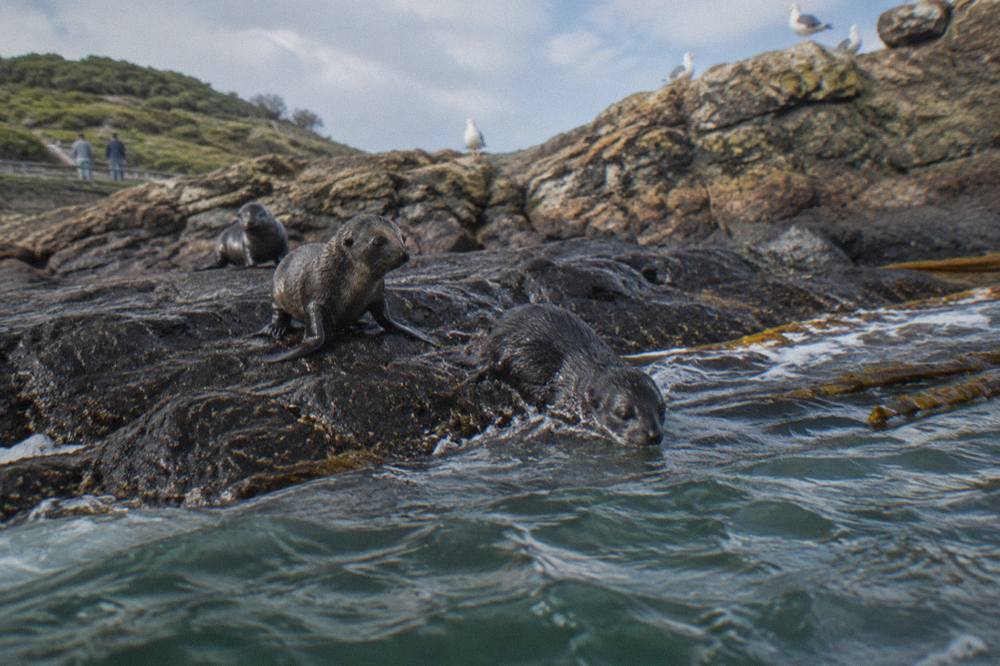
Nature Parks says pups are born in late spring, one per female, and the breeding season ends in late December when the big males leave. Pups are weaned by 10 to 11 months. So a late spring or early summer cruise falls inside the pup season at Seal Rocks, though numbers hauled out on the day still vary with tide, time of day and weather.
If the goal is seeing the newest animals on the rocks, the window is late spring through December, with the big bulls departing when the season closes in late December in the Nature Parks description. Annual pup counts at the colony are conducted with drones, Nature Parks notes, which reflects both the scale of the colony and how its population is tracked. No count on any given cruise day is promised, and no operator could honestly make one.
Summer brings its own context beyond the colony. BoM's Rhyll station, the nearest open station on the island's north shore, records mean January maximums of 24.2 degrees against July's 13.4, with rain days of 1 mm or more averaging 5.1 in January against 12.4 in July. Those are land figures, but they still sketch why summer dominates island tourism: warmer, drier days, and a cruise fleet that includes the Sunset Cruise from San Remo, from $55.42, with a fruit and nibbles platter and live music, drinks and prawn buckets available to purchase.
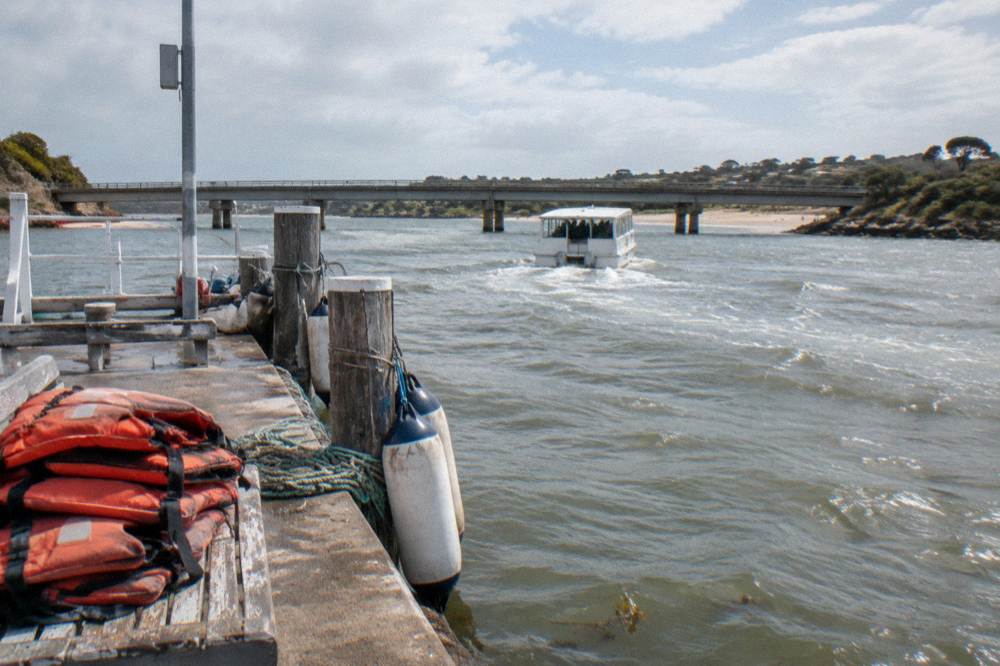
One caution belongs here rather than later: Cape Woolamai is exposed and can experience severe weather changes, Nature Parks warns, which matters for walkers combining a cruise with the cape tracks, where the Pinnacles return walk runs 4.4 km and the full circuit 8.1 km. The post on what to wear on a Phillip Island cruise handles the clothing side of that planning.
Booking Around The Seal Season
The seal cruise's booking page states no season, so check it for dates; the main decisions are port, budget and crowd comfort. From $79 per person for the Cowes seal cruise, against $34 for the 1 hour cape cruise and $55.42 for the sunset, the three short options span a wide price range, and all three carry free cancellation up to 24 hours before the start.
Budgets differ, and the site's own numbers frame the choice: the median from-price across the six cruises on this site is $86, with the 1 hour Cape Woolamai Scenic Cruise cheapest at $34 and the Local Way Tours Melbourne day trip priciest at $235.03. The Melbourne day trip, about 12 to 13 hours with a 2 hour cruise leg plus land stops at The Nobbies and the Penguin Parade, suits a visitor without a car, since it departs Arts Centre Melbourne, but its booking page does not name Seal Rocks, and lunch and dinner are not included. The guide to the Melbourne to Phillip Island tour covers that option end to end. For a closer look at the colony from the water rather than the boardwalk, the guide to the Nobbies and Seal Rocks by cruise lays out the viewing options departing from Cowes.
Drivers have a simple loop: head from Melbourne to San Remo, then continue on to Cowes for the seal cruise departure, with times on the booking page. The San Remo bridge, the only road link onto the island, is under a $50 million restoration announced by the Premier in July 2026, staying open to traffic and pedestrians throughout.
For everything on ports and departures in one place, Cape Woolamai Cruises keeps the full set of guides, including how to get to San Remo for a cruise and where to stay near San Remo for a Phillip Island cruise. For sailing dates, check the booking page; the rest is choosing the day that fits.
Common Questions About Seeing Seals On A Phillip Island Cruise
When Can You See Seals On A Phillip Island Cruise?
The booking page states no season for this cruise. Seal Rocks supports around 20,000 Australian fur seals, with 5,000 to 8,000 on the rocks at times, and numbers ashore vary with tide, weather and time of day. The only cruise on this site naming Seal Rocks, the 2 hour Seal Watching Cruise from Cowes, carries no seasonal restriction.
Is There A Best Season For Seal Pups At Seal Rocks?
Pups are born in late spring, one per female, and the breeding season ends in late December when the big males leave, per Nature Parks. A cruise in late spring or early December falls inside that window, though hauled-out numbers on the day still vary with tide, time of day and weather.
Can You See Seals On The Cape Woolamai Scenic Cruise?
The 1 hour Cape Woolamai Scenic Cruise from San Remo is sold for the granite cliffs and caves of Cape Woolamai viewed from the water, and its booking page does not name Seal Rocks. Book it for the cape scenery; book the Cowes seal cruise for the colony.
Are Seals Guaranteed On A Phillip Island Cruise?
No cruise guarantees a sighting or a seal count. Nature Parks says numbers ashore at Seal Rocks vary with tide, temperature, time of day and weather, because seals spend 7 to 10 day feeding trips at sea. The booking page states no season for this cruise; check it for dates.
How Close Does The Boat Get To The Seals?
Boats must not approach within 60 m of the low water mark at Seal Rocks, per DEECA, and licensed tour operators may approach closer under permit conditions. DEECA notes the seals are accustomed to humans and can be approached reasonably closely by boats.
Do Whale Season And Seal Season Overlap?
Whale season runs late May to September, peaking June and July, per Visit Phillip Island. The booking page states no season for the Cowes seal cruise, so check it for dates before pairing it with a seasonal whale cruise.