Best Time For A Phillip Island Seal Cruise: Season And Time Of Day
The booking page for the Wildlife Coast Cruises 2 hour Seal Watching Cruise from Cowes states no season, so check it for dates before you pick a month; what you see from the boat then comes down to the breeding calendar, tide and weather.
Short answer
The booking page states no season for the 2 hour cruise from Cowes (from $79, rated 4.9 across 236 reviews), so check it for departure dates before you pick a month. Numbers ashore vary with tide, temperature, time of day and weather. Pups are born in late spring and breeding ends late December, so spring and early summer bring the most activity.
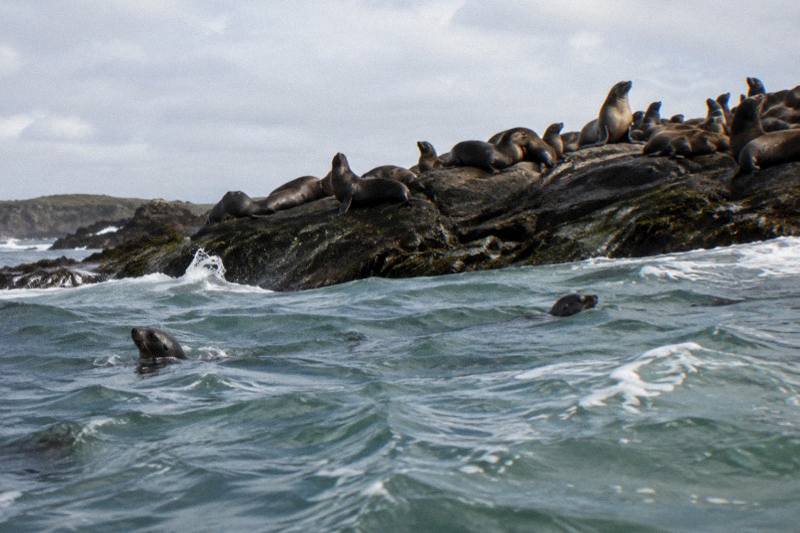
Seal Rocks sits about 1.8 km off Phillip Island, and it is not a sometime thing. Phillip Island Nature Parks describes it as a breeding area and nursery for around 20,000 Australian fur seals, with between 5,000 and 8,000 seals on the rocks at any given time. That single fact reframes the whole question of timing. Whales pass this coast only between late May and September; the booking page states no season for the seal cruise, so check it for dates. Since seal numbers on the rocks shift with the tide, the weather and the time of day, a guide to timing a Phillip Island seal cruise can help you pick the right moment to head out.
The Wildlife Coast Cruises 2 hour Seal Watching Cruise from Cowes is the cruise on this site that names Seal Rocks itself. It runs 2 hours, departs Cowes, is rated 4.9 across 236 reviews and costs from $79 per person. Tea, coffee and cake are served on board. Free cancellation up to 24 hours before the start, with a full refund, is stated on the booking page. Cape Woolamai Cruises covers the six cruises on this site, and this guide pulls together what the breeding calendar, the weather records and the wildlife rules actually say about choosing a date.
When Is The Best Time To See Seals At Phillip Island?
The honest answer is that there is no single best time. Nature Parks says between 5,000 and 8,000 Australian fur seals are hauled out at Seal Rocks at any given moment. What changes through the year is the mix of animals, pups and breeding behaviour on the rocks.
The booking page for the seal cruise lists no season and no closed months, which matches the biology. Fur seals are central-place foragers: they return to the same colony to rest after feeding trips of 7 to 10 days at sea, as Nature Parks puts it in its nature notes. Seal Rocks is a breeding colony, and the numbers on the rocks vary with tide, weather and time of year.
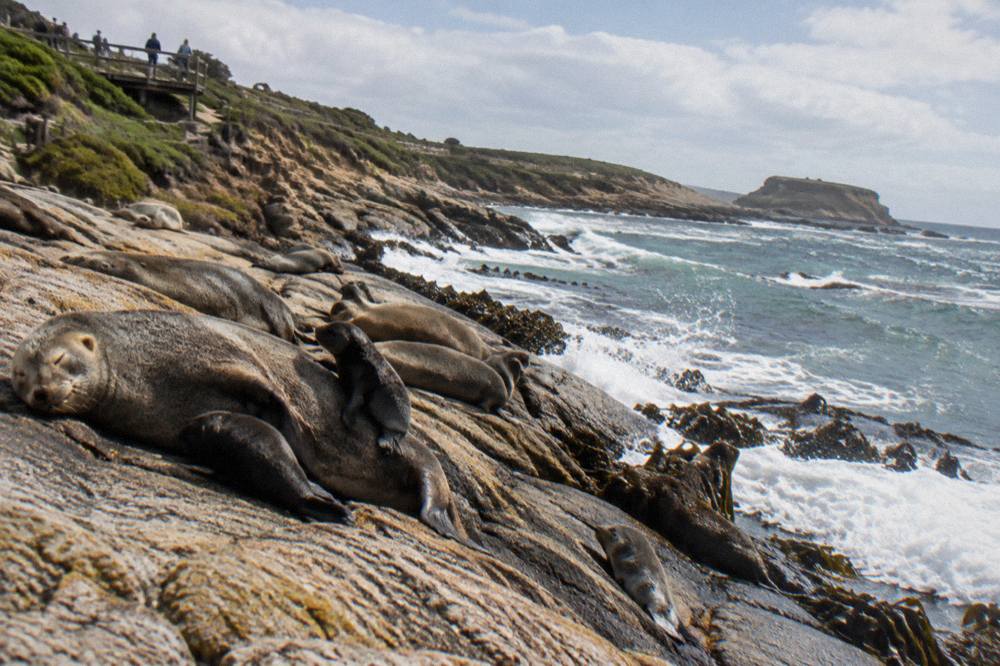
What does move, month to month, is who is on the rocks. Pups are born in late spring, one per female. The breeding season runs through to late December, when the big males leave. A visitor in November or December may see mothers with very young pups and large breeding males holding territory, while a visitor in March sees a different social picture, with older pups and fewer dominant males.
None of that makes one month the right answer. It supports a better question: what do you want to watch? Newborn pups and nursing behaviour point to late spring and early summer. Sheer numbers of resting animals point to whatever day combines a suitable tide with comfortable conditions, because numbers ashore vary with tide, temperature, time of day and weather.
What Does The Seal Breeding Calendar Mean For Your Visit?
Pups arrive in late spring and the breeding season ends in late December, when the big males depart, Nature Parks says. That makes late spring through December the window with the most behavioural action at Seal Rocks: newborn pups, nursing mothers and territorial males. By autumn, pups born the previous season are approaching weaning at 10 to 11 months, and the rocks settle into a resting rhythm that continues through winter.
The breeding cycle is the strongest seasonal signal on this coast for seal watchers. A female gives birth to a single pup in late spring, and the big males remain at the colony until the season closes in late December. If watching bulls posture and mothers shepherd newborn pups sounds like the trip you want, the calendar points you there.
Visitors in the first half of the year see a colony in recovery mode. Seals come back from feeding runs lasting 7 to 10 days and collapse onto the rocks to rest, and the drama is social rather than sexual: juveniles sparring, animals jockeying for the best slab of rock, pups learning the water. Numbers ashore still swing with the tide, the temperature, the time of day and the weather, exactly as Nature Parks notes, so two departures a week apart can look quite different for reasons that have nothing to do with the month.
It helps to see the calendar as three overlapping phases rather than a single peak. The table below summarises what Nature Parks' nature notes say is happening at the colony in each phase.
| Phase at the colony | Months (Nature Parks wording) | What is on the rocks |
|---|---|---|
| Pupping and breeding | Late spring to late December | Newborn pups, one per female; nursing mothers; large males holding territory until the season ends |
| Post-season rest | After late December into autumn | Big males gone; pups moving toward weaning at 10 to 11 months; animals resting between 7 to 10 day feeding trips |
| Winter baseline | Colder months | The resident colony continues; 5,000 to 8,000 seals ashore at any given time, varying with tide, temperature, time of day and weather |
A trip in any of these phases reaches the same rocks. The difference is which chapter of the colony's year you are watching.
Does The Time Of Day Change Seal Watching From Cowes?
Nature Parks says numbers of seals ashore vary with tide, temperature, time of day and weather, which means the day's conditions matter more than the clock on any given departure. The 2 hour Seal Watching Cruise from Cowes keeps one fixed shape whenever it sails: a run to the rocks, time at the colony and the return, with tea, coffee and cake served on board.
The time-of-day factor is real but not schedulable from home. Seals haul out to rest after feeding trips, and the count on the rocks rises and falls with the tide and with how hot or cold the day is. How many seals are hauled out on the rocks varies with tide and temperature, so two departures at the same hour on different days can look quite different. Nature Parks lists four drivers, tide, temperature, time of day and weather, and makes no promise of a golden hour.
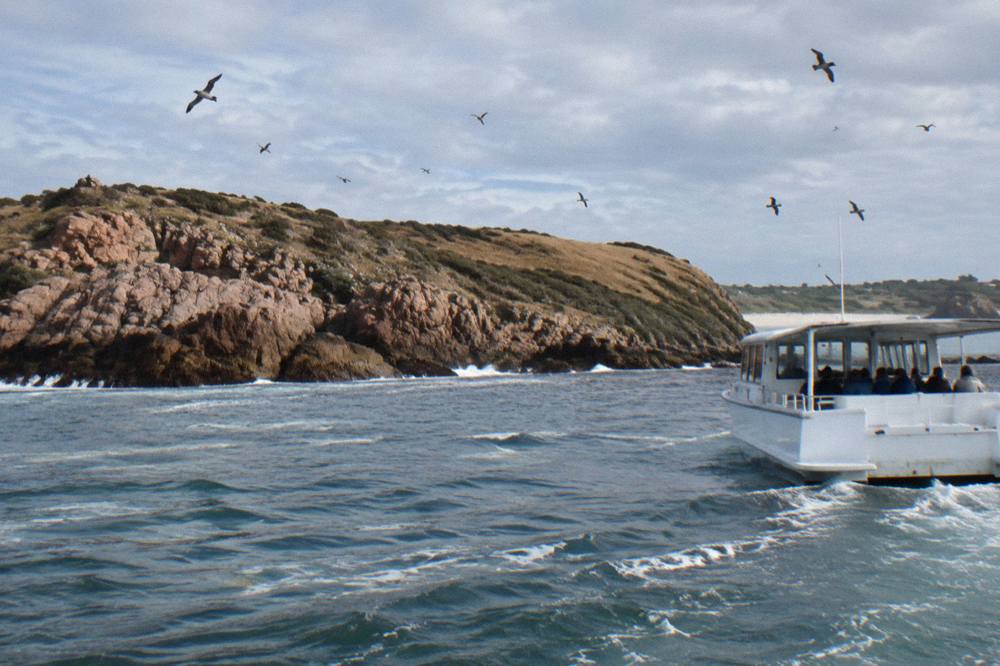
The booking page states no departure times, and no clock time appears in any source here. What a reader can plan is the shape of the trip. Two hours from Cowes, a cruise toward Seal Rocks, which lies about 2 km off Phillip Island by Visit Victoria's booking page wording (Nature Parks says 1.8 km), and the return. Boats must stay 60 m back from the low-water mark at Seal Rocks under DEECA rules, and licensed operators may approach closer subject to permit conditions, so the viewing distance is set by regulation, not by the hour of the day.
If the date matters more to you than the hour, book the day and take the departure the operator offers: the free cancellation window of 24 hours, full refund, leaves a change of plan cheap. For the wider question of which departure towns run which cruises, the guide to choosing a Phillip Island seal cruise breaks down the options.
How Does The Weather Around Phillip Island Affect A Seal Cruise Date?
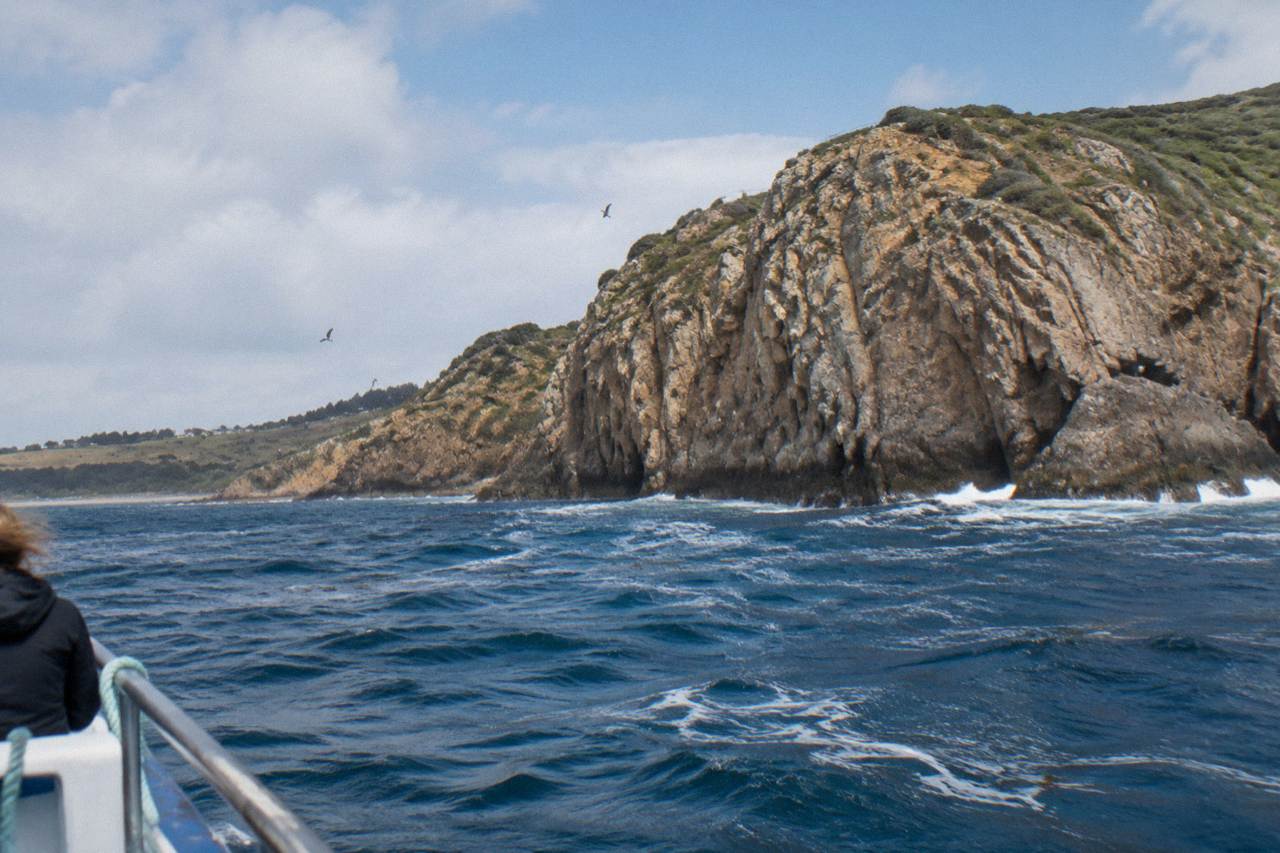
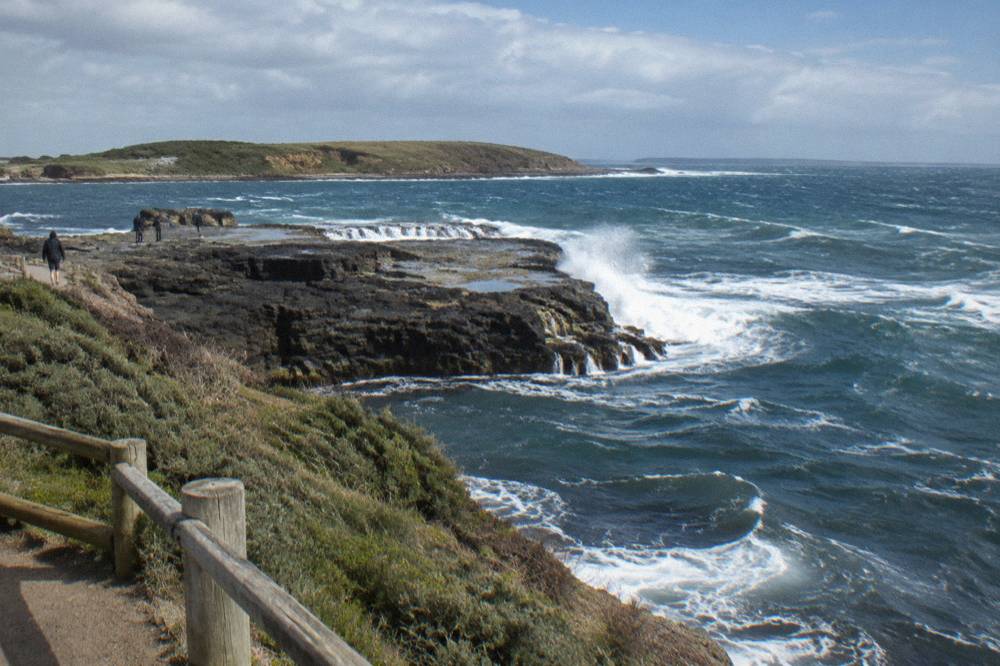
Cape Woolamai is exposed and can experience severe weather changes, Nature Parks warns. Rhyll, the nearest open Bureau of Meteorology station on the north shore, records July mean maximums of 13.4 °C and January maximums of 24.2 °C, with rain days peaking in August at 12.7.
Weather is the one variable that can actually cancel a plan, so it deserves more attention than the calendar. Two facts anchor it. First, the exposure warning: the Cape Woolamai reserve page says the cape "is exposed and can experience severe weather changes", and Seal Rocks sits on the same open Bass Strait coast at the western tip of the island. Second, the climate record: BoM's Rhyll station logs 106.1 rain days of 1 mm or more across a year, with 3 pm mean wind speeds ranging from 16.3 to 21.1 km/h depending on the month. The rainfall record behind those figures runs from 1994 to 2026, and the temperature record from 1990, so the averages rest on decades of readings rather than a handful of unusual years.
None of that says stay home in winter. It says build slack into the itinerary. A visitor with one fixed day and no fallback has a worse plan than a visitor with two possible days, whatever the season. The booking page's stated policy helps here: free cancellation up to 24 hours before the start, with a full refund.
| Month | Mean max (C) | Mean min (C) | Mean rain (mm) | Rain days 1 mm+ |
|---|---|---|---|---|
| January | 24.2 | 15.7 | 38.4 | 5.1 |
| February | 24.4 | 15.9 | 37.0 | 4.4 |
| March | 22.8 | 14.8 | 38.3 | 6.1 |
| April | 19.7 | 12.7 | 59.2 | 8.4 |
| May | 16.5 | 10.8 | 71.8 | 10.8 |
| June | 14.1 | 9.0 | 66.8 | 10.1 |
| July | 13.4 | 8.2 | 69.7 | 12.4 |
| August | 14.4 | 8.5 | 76.6 | 12.7 |
| September | 16.2 | 9.5 | 65.3 | 11.5 |
| October | 18.2 | 10.7 | 65.3 | 9.7 |
| November | 20.2 | 12.3 | 62.2 | 8.3 |
| December | 22.0 | 13.8 | 45.0 | 6.6 |
Source: Bureau of Meteorology averages for Rhyll (station 086373), the nearest open station. Rhyll sits on the north shore of Phillip Island, so these are land figures for the town, not a measurement of sea conditions at Seal Rocks.
The practical read of that table: February has the warmest mean maximum at 24.4 °C and one of the lowest rain totals, while August is the wettest month by both rainfall and rain days. Every month still records rain days. Flexibility matters more than a guarantee nobody can make, and no sighting is ever promised.
Can You Combine Seals With Whales Near Cape Woolamai?
Only in the whale season. Wildlife Coast Cruises whale products run late May to September, with peak sightings in June and July, per Visit Phillip Island, and humpbacks are the operator-described most commonly sighted whale. Outside that window the seal cruise is the wildlife option that runs, and the two whale cruises on this site, from San Remo and from Rhyll, are seasonal, late May to September.
The Wildlife Coast Cruises 3 hour Dolphin And Whale Cruise from San Remo costs from $93 per person, is rated 4.6 across 83 reviews, passes the sheer cliffs of Cape Woolamai and serves tea, coffee and cake, with alcohol, soft drinks and snacks available to buy. The Wildlife Coast Cruises 4 hour Whale Watching Cruise from Rhyll costs from $122.77, is rated 4.7 across 97 reviews, includes a morning tea of coffee, tea, a muffin and a pastry, and states that hotel pickup is not included. Both carry the late May to September season.
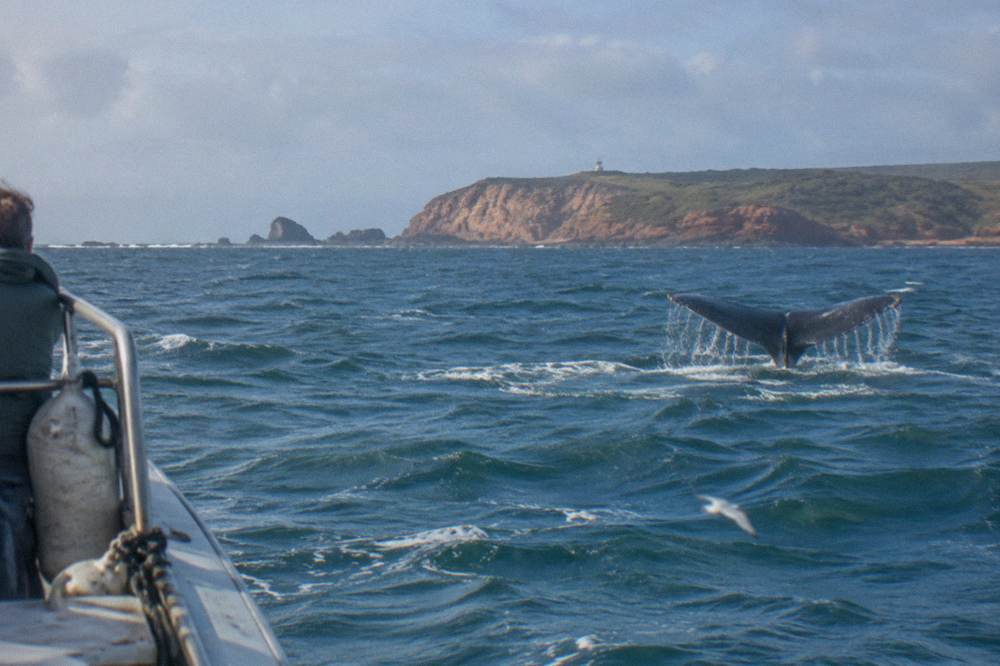
The overlap matters for itinerary planning. A winter visitor can, in principle, pair a seal cruise from Cowes with a whale cruise from Rhyll or San Remo on consecutive days, and seals are a main prey for the orcas that occasionally visit these waters, as Visit Phillip Island notes. But no sighting of any whale is promised by any source here, and orcas are described by both the operator and the regional tourism body as rare. The seals, by contrast, are a resident colony with thousands of animals present at any given time.
Visitors outside the whale window are not shortchanged. Dolphin and whale cruises are seasonal, so check the booking page for dates; the seal cruise is not. For how the whale season is tracked, including the Wildlife Whales app and PodWatch sighting posts named by Visit Phillip Island, the guide to the Phillip Island whale watching season covers the detail.
Which Month Should You Book A Seal Cruise From Cowes?
Match the month to what you want to watch, not to a myth about a peak. For pups and breeding behaviour, late spring through December. For the warmest, driest averages, January to March. For the chance to pair seals with the whale season, late May to September. The cruise itself, from $79 per person and rated 4.9 across 236 reviews, departs Cowes, and the booking page states no season, so check it for dates.
A worked comparison helps. The table below sets each period against what the sources actually say is happening, on the water and at the colony.
| Period | Colony (Nature Parks) | Weather (BoM Rhyll) | Also running |
|---|---|---|---|
| January to March | Pups from the past season approaching weaning; resting colony | Warmest and driest stretch; February mean max 24.4 °C | Cape Woolamai scenic cruise, sunset cruise from San Remo |
| April to June | Post-season social resting; feeding trips of 7 to 10 days | Cooling and wetting; May rainfall 71.8 mm | Whale cruises begin late May |
| July to September | Resident colony, 5,000 to 8,000 ashore at any given time | Coldest stretch; July mean max 13.4 °C | Whale season in full, peak June and July |
| October to December | Pups born late spring; breeding through to late December | Warming; December rain days down to 6.6 | Cape Woolamai, Seal Watching, Sunset and the Melbourne day trip; whale cruises out of season |
Spring and early summer behave differently from every other wildlife calendar in the region. The whale season is ending just as the seal colony's year begins. A visitor in late September or October gets the pupping buildup without the winter cold, though Cape Woolamai is exposed and can have severe weather changes.
How Far Ahead Should You Book From Cowes Or San Remo?
Book as soon as the date is fixed, because the variables that matter, tide, weather and the day's departure, cannot be chosen from home anyway. Free cancellation up to 24 hours before the start, full refund, is stated on all six cruises on this site, so an early booking costs nothing to move.
The cancellation terms are the strongest planning tool on this coast. Every one of the six cruises shown here carries the same stated policy: free cancellation up to 24 hours before the start, with a full refund. The whale watching, sunset and Melbourne day trip pages add that a weather cancellation by the operator gives another date or a full refund. That structure rewards booking early and adjusting late, because the decision you are really making when you pick a date is a refundable option on good conditions.
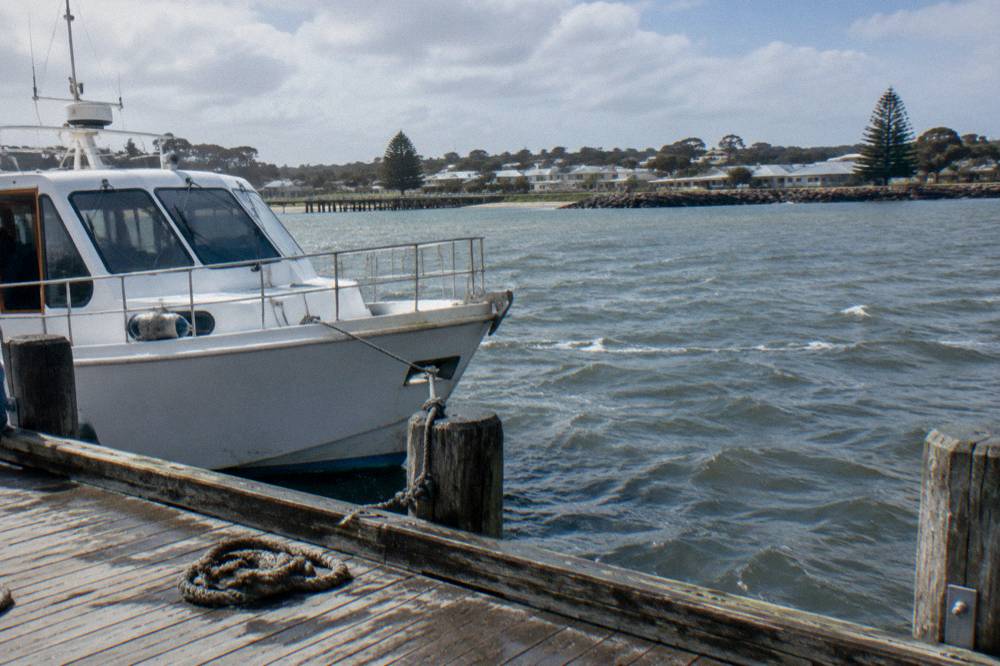
Getting to the departure point is part of the timing question. Melbourne to San Remo is 123 km and about 1 hour 35 minutes, per Visit Victoria's touring route, and San Remo to Cowes is another 17 km and 25 minutes. Anyone pairing the seal cruise with a drive from the city is signing up for an early drive, and the blog post on doing a Phillip Island cruise as a Melbourne day trip works through the options, including the Local Way Tours day trip that departs Arts Centre Melbourne and carries a 2 hour cruise leg.
Visitors without a car have a slower but real path: V/Line route 1720 runs from Melbourne through Dandenong and Koo Wee Rup with stops at San Remo Post Office/Marine Pde, Cape Woolamai/Phillip Island Rd and Cowes Transit Centre/Church St. No timetable or duration was readable from the route page, so check the service before planning around it.
One more pairing worth knowing: the Wildlife Coast Cruises 1 hour Cape Woolamai Scenic Cruise from San Remo costs from $34 per person, is rated 4.6 across 453 reviews, and cruises toward Cape Woolamai's granite cliffs and caves viewed from the water, with cake, tea and coffee served. It has no season dependency either, and the bow deck is open to people over 1 metre tall. For a full breakdown of what the coast looks like from the water, the guide to things to do in Cape Woolamai by boat is the companion read.
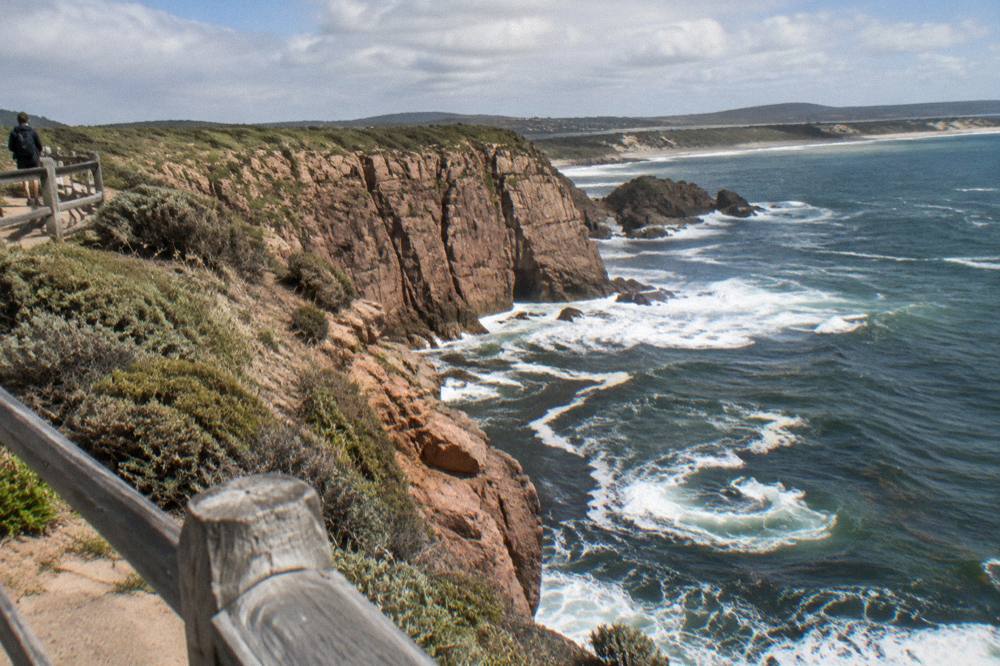
The cancellation window and the drive times work in your favour when read together. The 60 m approach limit at Seal Rocks is fixed rather than discretionary, which is why the colony is presented as a view from the water, with closer approaches reserved for licensed operators under permit. Once the weather call is made, the guide to the Nobbies and Seal Rocks by cruise covers what the colony looks like from the boat and how the boardwalk at the Nobbies fits around it.
The calendar does the rest. Dates from late September to mid-April can pair a cruise with the shearwater dusk return at Cape Woolamai, half a million birds back from a 16,000 km migration, simply by staying into the evening. On the 1 hour Cape Woolamai cruise, the 1 metre height rule keeps the smallest children off the bow deck, and the $34 starting price with no season dependency makes it an easy fallback if a seal cruise date has to move.
Common Questions About The Best Time For A Phillip Island Seal Cruise
When To See Seals At Phillip Island?
Any month. Seal Rocks supports around 20,000 Australian fur seals, with 5,000 to 8,000 on the rocks at times depending on tide and weather, and the booking page for the 2 hour Seal Watching Cruise from Cowes states no season. Numbers on the rocks vary with tide, temperature, time of day and weather.
What Is The Best Month For A Phillip Island Seal Cruise?
For pupping and breeding behaviour, late spring through December is the active window; for the warmest, driest averages, January to March. Pick by what you want to watch, and book a date with free cancellation up to 24 hours before the start.
Are There More Seals At Seal Rocks In Summer Or Winter?
Neither season is a clear peak. Nature Parks says seals return to rest after 7 to 10 day feeding trips and that numbers ashore vary with tide, temperature, time of day and weather, so the count on a given day depends more on conditions than on the month.
When Are Seal Pups Born At Seal Rocks?
Pups are born in late spring, one per female, and are weaned by 10 to 11 months. The breeding season ends in late December when the big males leave, per Nature Parks' nature notes.
Can You See Whales And Seals On The Same Phillip Island Cruise?
The seal cruise from Cowes names Seal Rocks only; the whale cruises from San Remo and Rhyll run late May to September, peak June and July. No cruise on this site promises both, and no sighting of any whale is guaranteed.
Does Time Of Day Matter For Seal Watching?
Time of day is one of four variables Nature Parks lists, alongside tide, temperature and weather. No departure time is stated on the booking page, so the practical move is to take the operator's departure for the day you book.