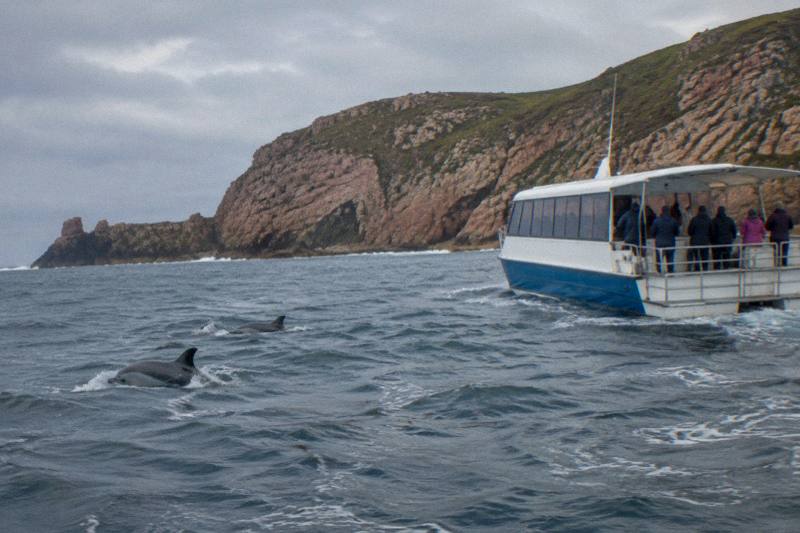
Phillip Island Whale Watching Tours: Which Boat Trip To Book
Two whale cruises run from Phillip Island in winter, one from San Remo and one from Rhyll, and they differ in length, price and what the water shows. Here is how they compare.
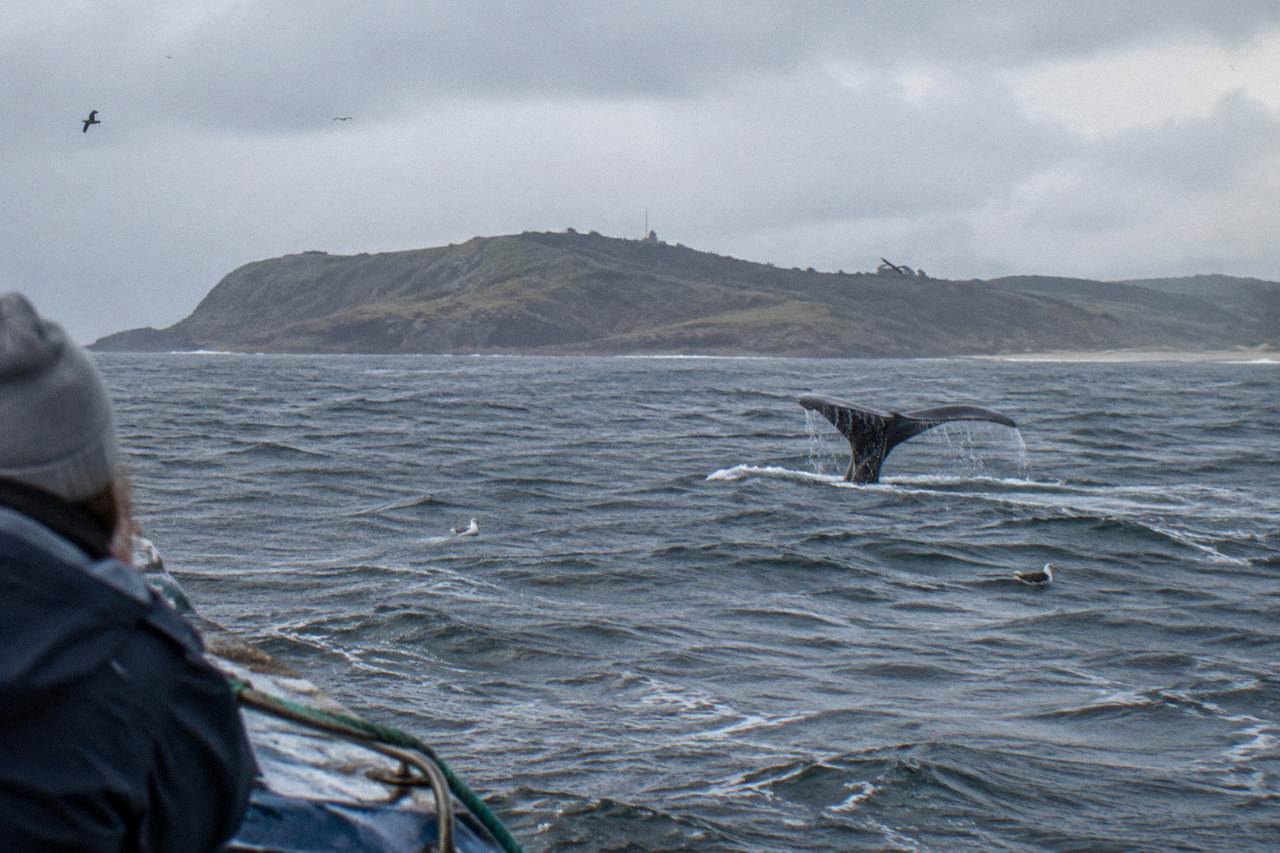
Short answer
Phillip Island has two seasonal whale cruises: the Wildlife Coast Cruises 3 hour Dolphin And Whale Cruise from San Remo, from $93, and the Wildlife Coast Cruises 4 hour Whale Watching Cruise from Rhyll, from $122.77. Both run late May to September, peak June and July, and both rate 4.6 or higher.
Two boats, two ports, one migration. Every winter humpback and southern right whales move along the Victorian coast past Phillip Island, and the whale watching choice on the island comes down to a pair of Wildlife Coast Cruises departures: a 3 hour Dolphin And Whale Cruise from San Remo and a 4 hour Whale Watching Cruise from Rhyll. They sound similar. They cost different amounts, leave from different sides of the island, and one of them is built almost entirely around whales while the other treats them as part of a wider wildlife run.
Visit Phillip Island puts the season at late May to September, with the peak in June and July. The operator describes humpbacks as by far the most commonly sighted whale, southern rights as often resting in sheltered bays, and orcas as much rarer visitors. No cruise here promises a sighting, and nothing in this guide will either. What follows is a plain comparison of what each trip offers, what it costs, and who each one suits, so the booking decision is an informed one. For anyone wondering about the island's other famous residents, the guide to whether a Phillip Island cruise shows penguins applies the same no-promises honesty.
What Whale Watching Boats Leave From Phillip Island?
Two seasonal cruises cover whale watching at Phillip Island: the Wildlife Coast Cruises 3 hour Dolphin And Whale Cruise from San Remo, from $93 per person, and the Wildlife Coast Cruises 4 hour Whale Watching Cruise from Rhyll, from $122.77 per person. Both run late May to September with the peak in June and July, and both carry free cancellation up to 24 hours before departure.
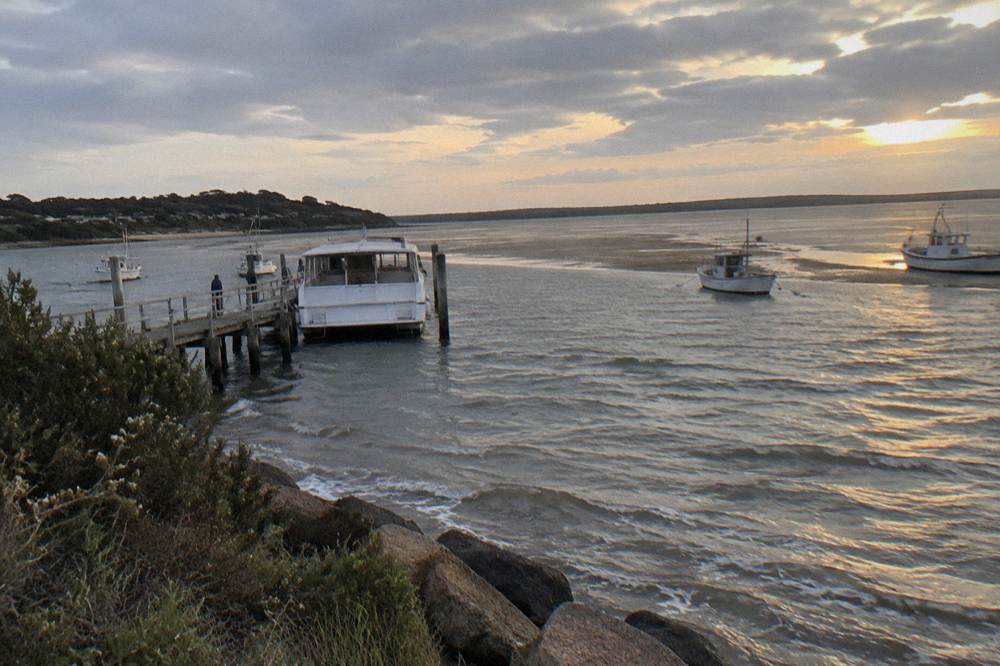
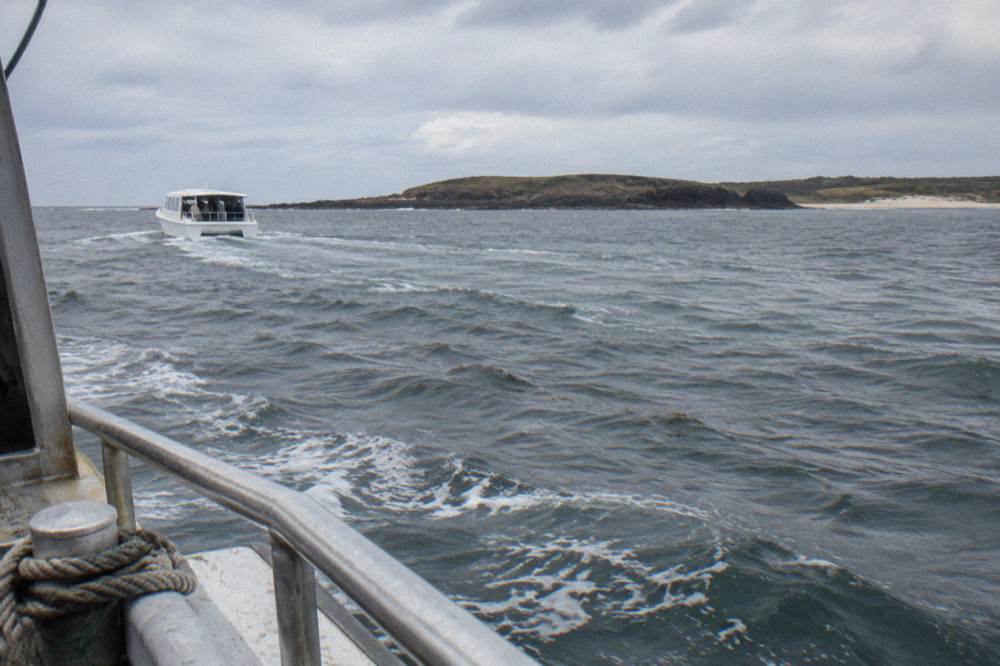
That is the whole whale fleet. There is no third whale boat. The Dolphin And Whale Cruise departs San Remo, and spends its three hours on the water, passing the sheer cliffs of Cape Woolamai along the way. The Whale Watching Cruise departs Rhyll, on the island's northern shore facing Western Port, and gives four hours to the search. The booking page for that one names no specific places, so the honest summary is simply: four hours, Rhyll, whales. For anyone comparing the whale cruise options, the seasickness guide for Phillip Island whale cruises sets out what to expect on the water.
Two other cruises on the island get mentioned in whale conversations but are not whale trips. The 1 hour Cape Woolamai Scenic Cruise from San Remo lists no whales at all, and the Sunset Cruise stays on Western Port Bay. If whales are the reason for the booking, the choice is between the San Remo and Rhyll departures, and the rest of this comparison works through it.
The table below sets the two side by side.
| Dolphin And Whale Cruise | Whale Watching Cruise | |
|---|---|---|
| Departs | San Remo | Rhyll |
| Duration | 3 hours | 4 hours |
| Price | From $93 per person | From $122.77 per person |
| Rating | 4.6 across 83 reviews | 4.7 across 97 reviews |
| Season | Late May to September | Late May to September |
| Places named | Cape Woolamai cliffs | None stated |
| Food | Tea, coffee and cake; alcohol, soft drinks and snacks for purchase | Morning tea: coffee, tea, muffin, pastry |
| Free cancellation | Up to 24 hours | Up to 24 hours |
How Do The Two Phillip Island Whale Cruises Compare?
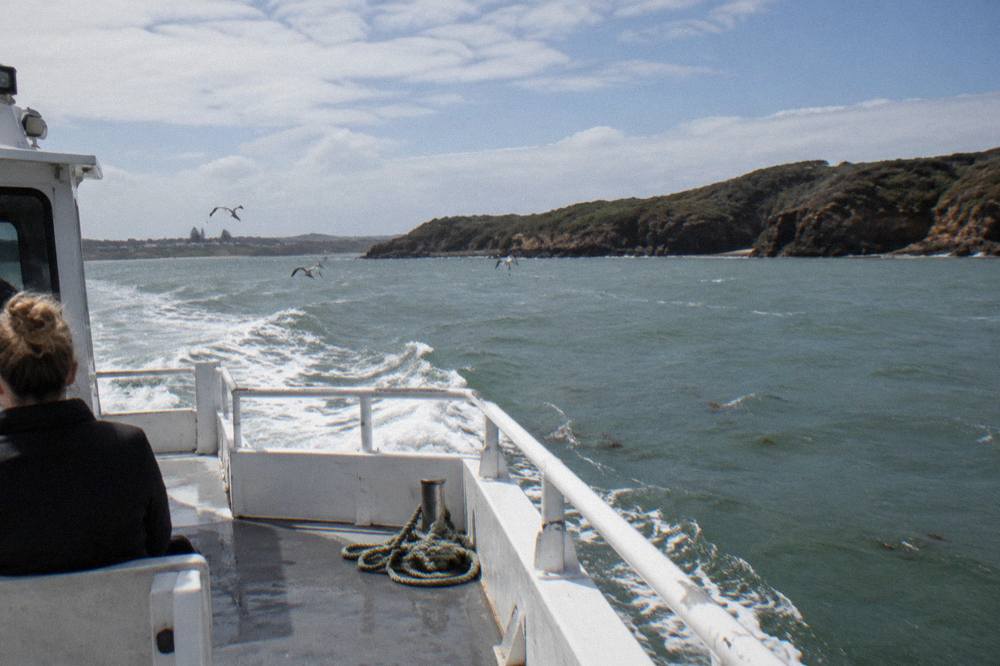
The Rhyll Whale Watching Cruise costs more per person than the San Remo Dolphin And Whale Cruise and gives an extra hour on the water. The Rhyll trip rates 4.7 across 97 reviews against 4.6 across 83 for San Remo, a margin thin enough that price, port and duration should drive the choice rather than ratings alone.
Start with what is actually different. Rhyll sits on the northern shore of Phillip Island, and the Whale Watching Cruise from there is the dedicated product: four hours with morning tea, hotel pickup stated as not included, and a weather-cancellation policy that offers another date or a full refund. San Remo sits at the eastern end of the bridge, and the Dolphin And Whale Cruise from there shares its three hours between whales, dolphins and the Cape Woolamai coastline. It also has a bar of sorts, with alcohol, soft drinks and snacks available to purchase on board.
The departure point matters more than it looks on a map. If you are staying in Cowes, Rhyll is a short hop east, roughly 6 km straight-line from Cowes, while San Remo is on the far side of the island, back past the bridge on the mainland side. Stay in San Remo or Newhaven and the arithmetic reverses: the Dolphin And Whale Cruise leaves from your doorstep and Rhyll is the drive. Visit Victoria's touring route figures put San Remo to Cowes at 17 km and 25 minutes of driving, which is the scale of the cross-island decision.
Then there is the weather-cancellation fine print, which differs slightly between the two booking pages. Both offer free cancellation up to 24 hours before the start. The Rhyll cruise additionally promises another date or a full refund if the operator cancels for weather. The San Remo cruise's booking page does not state what happens to sailings when a stormy forecast hits, only that cancellation is free.
One more practical wrinkle: neither whale cruise suits a strict timetable reader, because the booking pages give no clock times here, and the season is fixed. Late May to September is the window, June and July are the peak, and outside it neither boat runs a whale trip at all. The rest of the year, the island's cruise options are the Cape Woolamai scenic run, the Seal Watching Cruise from Cowes and the Sunset Cruise, all covered in the guide to Phillip Island cruises.
Which Whale Cruise Is Better For First-Time Visitors?
First-timers wanting the most time on the water with whales should take the 4 hour Whale Watching Cruise from Rhyll, because its whole itinerary is the whale search. First-timers wanting a broader day should take the Dolphin And Whale Cruise from San Remo, named for the dolphins and whales it searches for, passing the Cape Woolamai cliffs at a lower from-price.
The logic is simple. A dedicated boat spends all four hours in whale territory; a mixed boat divides its three hours between species and scenery. Neither promises anything, and the honest framing is that whales are wild animals on a migration route, not a scheduled stop. But time on task counts, and the Rhyll cruise has more of it.
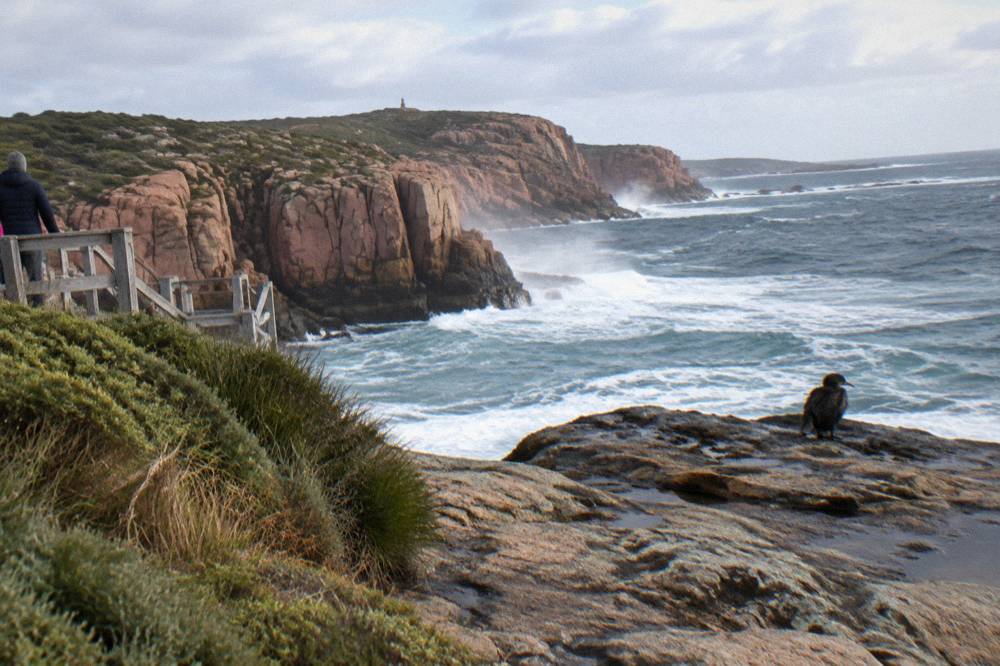
There is also a comfort case for the mixed trip. Three hours is a gentler introduction to winter boating than four, the tea, coffee and cake are included either way, and the Cape Woolamai cliffs remain the trip's landmark even on a quiet wildlife day. The cliffs are ancient pink granite in Visit Victoria's description, seen from the water as sheer walls. The cape's high point, separate from the cliffs, is Phillip Island's highest at 112 m. For a traveller whose party contains sceptics, that built-in scenery is worth real money.
First-timers should also weigh the review pools honestly. The Dolphin And Whale Cruise's 4.6 comes from 83 reviews and the Rhyll cruise's 4.7 from 97. Those are real but modest pools, not the 453 reviews behind the Cape Woolamai Scenic Cruise. The ratings are consistent rather than overwhelming, which is exactly what you would expect from seasonal winter products.
When Is The Best Time To Book A Phillip Island Whale Cruise?
Book June or July for the peak of the migration, when Visit Phillip Island says whale activity is at its height. The season runs late May to September, so August sits mid-season, and May and September are shoulder picks at the edges with correspondingly thinner odds.
The source of that season split is the region's own tourism body, whose whale page states late May to September with June and July as the peak, and notes that humpback, southern right and occasionally killer whales pass through. Nature Parks adds detail from the Cape Woolamai reserve page: from late May to early July the northbound migration brings humpback, southern right and killer whales past the island. Both sources agree on the shape of the season even where they differ on the exact peak weeks, and Visit Phillip Island puts orcas in the occasional category.
Read the operator's own species notes carefully and the picture sharpens. Wildlife Coast Cruises describes humpbacks as by far the most commonly sighted whale around the island, southern rights as often resting in sheltered bays, and orcas as much rarer, seen particularly near seal colonies like Seal Rocks. Lucky observers have also reported pygmy blue and minke whales in Bass Strait from time to time, further offshore and more elusive. That is the full species list, and no sighting rate is printed here.
Timing the booking also means timing the weather. Cape Woolamai is exposed and can experience severe weather changes, in Nature Parks' words, and winter is the wetter half of the year at the nearest open weather station: Rhyll records mean rainfall of 66.8 mm in June, 69.7 mm in July and 76.6 mm in August against 38.4 mm in January. Weather cancellations happen, which is why the Rhyll cruise's promise of another date or a full refund matters when you choose a date. The post on what happens if weather cancels a Phillip Island cruise works through the detail.
What Does Each Whale Cruise Cost And Include?
The Dolphin And Whale Cruise from San Remo starts at $93 per person for 3 hours with tea, coffee and cake included. The Whale Watching Cruise from Rhyll starts at $122.77 per person for 4 hours with morning tea included. Both allow free cancellation up to 24 hours before the start, and neither lists hotel pickup on its booking page.
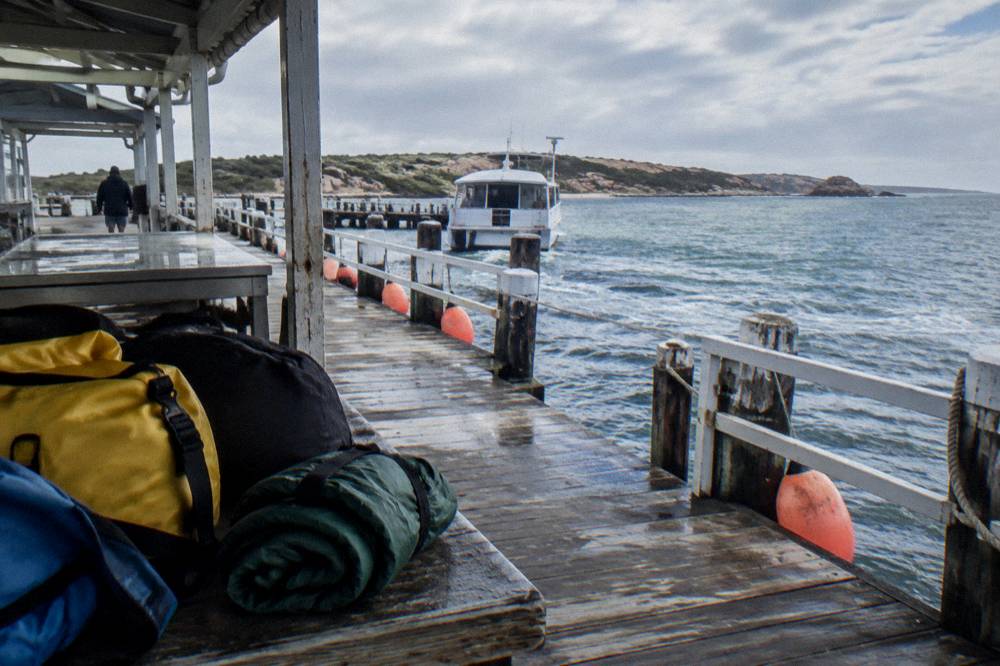
Those are the from-prices, in USD, per person, exactly as the booking pages carry them. Neither page states a group maximum or a minimum age, so families should check ages directly with the operator rather than assume. On pickup, the Rhyll cruise states plainly that hotel pickup is not included; the San Remo cruise's page does not mention pickup at all, and the honest advice is to plan on making your own way to the jetty.
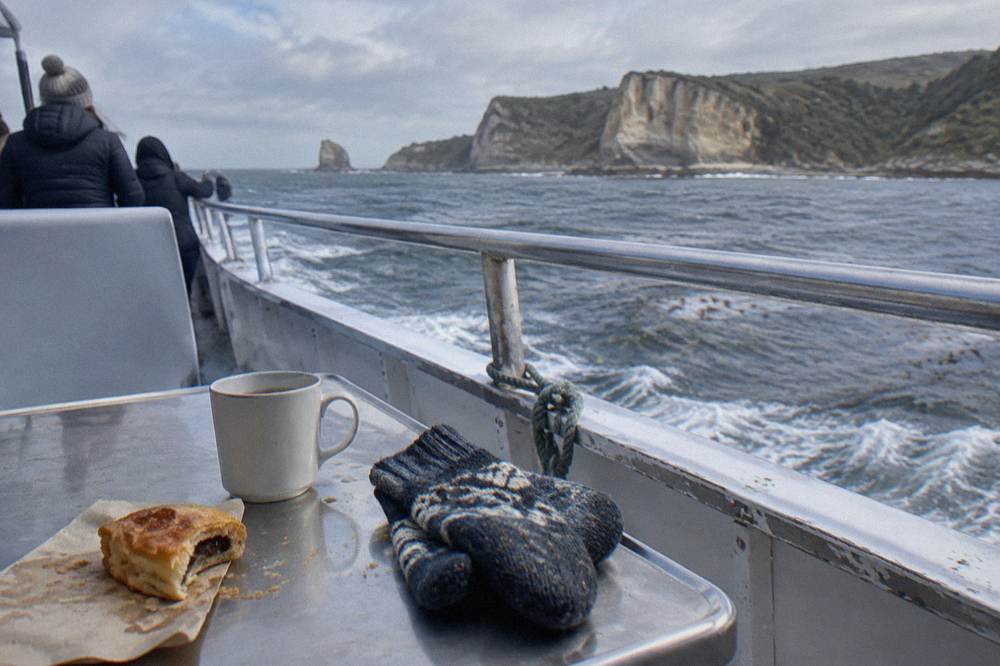
Food is where the two pages diverge a little. San Remo includes tea, coffee and cake, with alcohol, soft drinks and snacks available to purchase on board. Rhyll includes a fuller morning tea, a coffee, tea, muffin and pastry spread, with nothing listed for purchase. Neither is a lunch, so a four-hour winter morning still deserves breakfast beforehand.
| Cost item | Dolphin And Whale (San Remo) | Whale Watching (Rhyll) |
|---|---|---|
| From price, per person | $93 | $122.77 |
| Included food | Tea, coffee and cake | Morning tea: coffee, tea, muffin, pastry |
| Purchasable on board | Alcohol, soft drinks, snacks | Nothing listed |
| Free cancellation | Yes, up to 24 hours | Yes, up to 24 hours |
| Hotel pickup | Not stated | Stated not included |
| Weather cancellation | Not stated | Another date or full refund |
For budget context across the island's whole cruise fleet, the cheapest shown product is the 1 hour Cape Woolamai Scenic Cruise at $34 and the priciest is the Melbourne day trip at $235.03, with a median per-person from-price of $86 across the six cruises. Both whale trips sit above that median, which is normal for seasonal, longer-duration products. The full price picture is in the guide to Wildlife Coast Cruises prices.
Can You See Whales From Cape Woolamai Without A Boat?
Yes, in season. Nature Parks says humpback, southern right and killer whales migrate north past Cape Woolamai from late May to early July, and Wildlife Coast Cruises names Cape Woolamai, Pyramid Rock, The Nobbies and San Remo as coastal viewing spots. No entry fee is listed for land watching, which carries no sighting promise either.
The land option costs nothing to stand and look. The Nature Parks Cape Woolamai page lists no entry fee, and the reserve's walking tracks range from 4 to 8 kilometres: the Pinnacles return at 4.4 km and 2 hours is the shortest, the full Cape Woolamai circuit at 8.1 km and 4.5 hours is the longest. The beacon lookout sits at the island's highest point, 112 m, with 360-degree views that reach Wilsons Promontory on clear days. A lookout 112 m above Bass Strait is a genuinely good whale-watching platform in June and July.
The land option has limits the boat does not. Whales pass at distance, southern rights sometimes come within 100 m of the coast in Visit Phillip Island's words, but a land watcher is fixed in place while a boat moves. Sightings also get posted as they happen on the Wildlife Whales app and PodWatch, per the same tourism page, which is how land watchers know where to stand on a given morning.
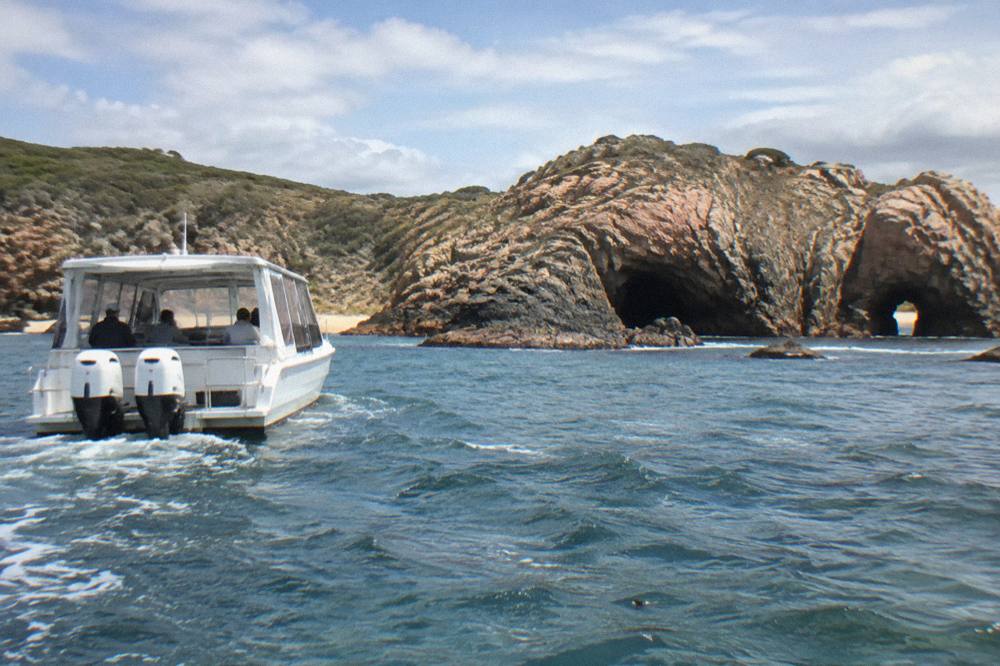
The exposed cape has its own cautions. Nature Parks warns that Cape Woolamai can experience severe weather changes, that walkers should stay 10 m back from cliff edges and cliff bases, and that Cleeland Bight on the longer walks may be impassable on a very high tide. A winter whale walk wants layers, a windproof jacket and a check of the forecast, not flip-flops.
Comparing the two approaches side by side:
| From the boat | From Cape Woolamai | |
|---|---|---|
| Cost | From $93.00 or $122.77 | No entry fee listed |
| Time commitment | 3 or 4 hours | 2 to 4.5 hours of walking |
| Vantage | Moves with the whales | Fixed, 112 m lookout |
| Sighting promise | None | None |
| Comfort | Onboard tea and cake | Exposed headland, severe weather changes possible |
The guide to things to do in Cape Woolamai by boat and the post on whether you can see whales on a Cape Woolamai cruise cover that combination in detail.
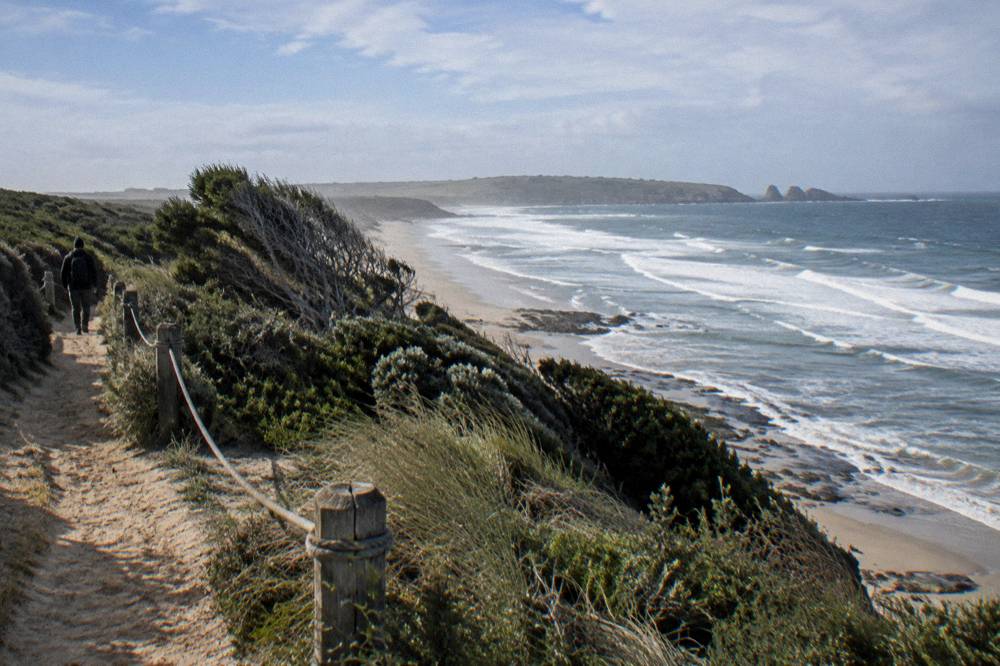
How Close Can The Boats Get To The Whales?
Victorian rules keep boats at least 200 m from whales and 100 m from dolphins, with caution zones extending to 300 m and 150 m respectively. Licensed tour operators may approach closer under permit conditions, and at Seal Rocks boats must stay 60 m from the low-water mark. Touching or feeding any marine mammal is illegal.
Those distances come from the Victorian environment department's water safety rules for marine mammals, which apply to every vessel on the water, private or commercial. Inside a caution zone, boats hold a constant speed no greater than 5 knots, avoid sudden turns, never cut across an animal's path and never come between a mother and her young. If a whale approaches the boat on its own, no offence occurs, which is how the close passes that stick in memory tend to happen.
The licensed-operator clause is the one that matters for a whale cruise booking. DEECA states that licensed tour operators are permitted to approach closer than the standard distances, subject to a range of operating conditions.
At Seal Rocks, which is not part of either whale cruise's stated itinerary, a separate rule keeps boats 60 m from the low-water mark of the colony. That reef, about 1.8 km off Phillip Island by Nature Parks' measure, is home to around 20,000 Australian fur seals in the same organisation's count, with between 5,000 and 8,000 hauled out at any given time. It is one of Australia's largest fur seal colonies by DEECA's assessment, and the orcas that occasionally visit these waters come because seals are a main prey. The dedicated Phillip Island seal cruise is the product built around that colony.
Is A Whale Watching Cruise From Phillip Island Worth It?
For a winter visitor with three or four hours to spare, yes: the island's two whale cruises are well reviewed, reasonably priced against the island's other boats and run inside the confirmed migration window. The 4 hour Rhyll trip suits the committed whale watcher; the 3 hour San Remo trip suits anyone who wants cliffs and dolphins in the same ticket.
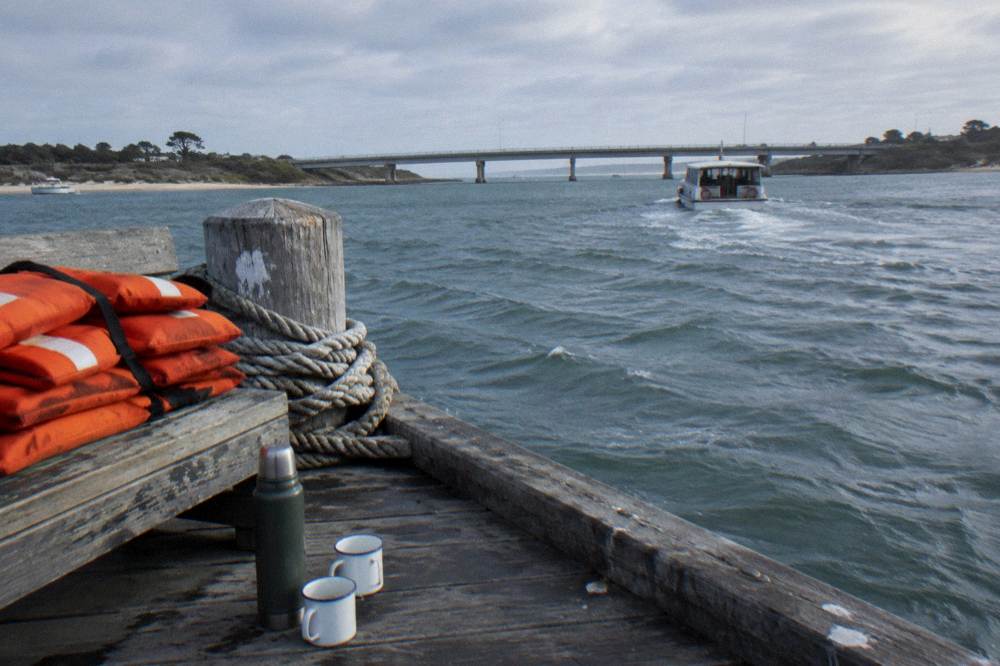
The value case rests on three things. First, timing: you can only do this between late May and September, and a June or July booking puts you in the peak. Second, price: $93 and $122.77 sit above the island's cruise median of $86 but below the Melbourne day trip's $235.03, and both include a hot drink and something to eat. Third, flexibility: free cancellation up to 24 hours before departure on both, and a weather-cancellation refund or rebooking promise on the Rhyll cruise, removes most of the risk of a winter booking.
The honest counterweights matter too. No sighting is promised by either cruise, by this operator or by any honest writer. Four winter hours on the water is a commitment, and while Cape Woolamai Cruises keeps the full fleet comparison in one place, the deeper reviews breakdown lives in the Phillip Island cruise reviews guide. And the boats do not run outside the season, so a summer visitor is choosing among the scenic, seal and sunset products instead, a comparison the best wildlife cruise guide handles.
For the whale-focused traveller, the decision tree is short. Committed, four hours, dedicated boat: Rhyll. Broader morning, less money, cliffs en route: San Remo. Either way, book inside the peak weeks, keep the cancellation window open, and dress for a July mean maximum of 13.4 degrees Celsius at Rhyll.
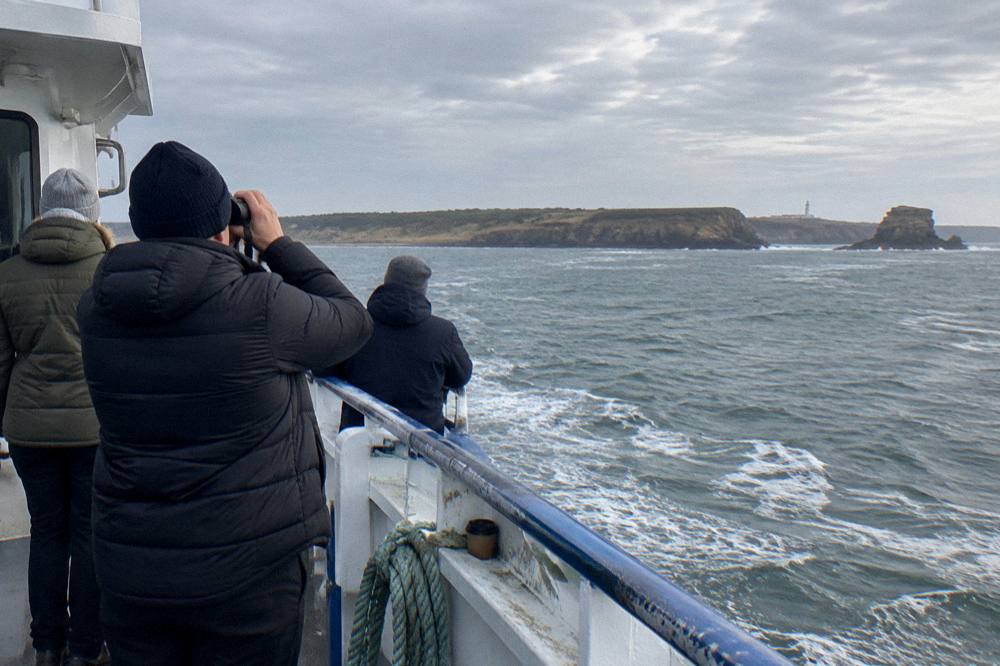
The Sunset Cruise from San Remo runs 1 hour 45 minutes from $55.42, rated 4.7 across 39 reviews, a small pool worth naming, with live music and a fruit and nibbles platter included. It is not a whale product, it stays on Western Port Bay, but it pairs neatly with either whale cruise as a same-day evening. Check availability through the operator's booking page if a full winter day on and around the water is the plan.
Whale watching at Phillip Island is a seasonal, honest, well-priced product with two entries. Pick the port that matches where you sleep, pick the duration that matches your patience for cold air, and go in June or July if the calendar allows. For the deeper seasonal picture, the Phillip Island whale watching season guide breaks the months down one by one.
Common Questions About Phillip Island Whale Watching Tours
What Whale Watching Boats Leave From Phillip Island?
Two seasonal cruises: the Wildlife Coast Cruises 3 hour Dolphin And Whale Cruise from San Remo, from $93 per person, and the Wildlife Coast Cruises 4 hour Whale Watching Cruise from Rhyll, from $122.77 per person. Both run late May to September with the peak in June and July.
When Is Whale Watching Season At Phillip Island?
Late May to September, with June and July the peak, according to Visit Phillip Island. Humpbacks are the most commonly sighted species in the operator's own description, with southern rights also seen and orcas much rarer.
How Much Does A Phillip Island Whale Cruise Cost?
From $93 per person for the 3 hour Dolphin And Whale Cruise from San Remo, and from $122.77 per person for the 4 hour Whale Watching Cruise from Rhyll. Both include tea, coffee and something to eat, and both allow free cancellation up to 24 hours before departure.
Can You See Whales From Cape Woolamai Without A Boat?
Yes, in season. Nature Parks says humpback, southern right and killer whales migrate north past the cape from late May to early July, and the beacon lookout at the island's highest point, 112 m, gives a wide view over Bass Strait. No entry fee is listed for the reserve.
Is A Whale Sighting Guaranteed On A Phillip Island Cruise?
No sighting is ever promised. Whales are wild animals on a migration route, and neither cruise promises a sighting. The dedicated 4 hour Rhyll cruise maximises time searching; the San Remo cruise adds dolphins and the Cape Woolamai cliffs, so the trip has scenery to enjoy even if whales stay away.
Which Is Better, The San Remo Or The Rhyll Whale Cruise?
The Rhyll cruise suits travellers focused on whales, giving four dedicated hours for $122.77. The San Remo cruise suits travellers who want a broader three hours with dolphins and the Cape Woolamai cliffs for $93. Choose by port convenience, budget and how much cold-water patience you have.