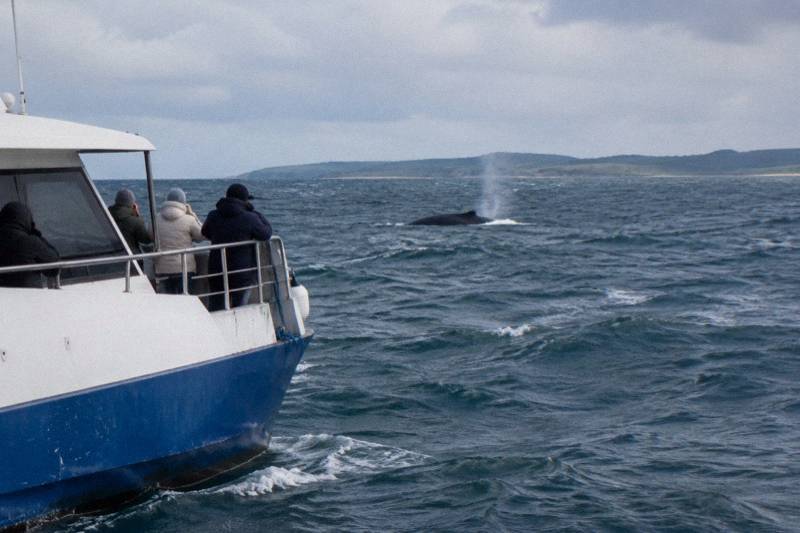
Will I Get Seasick On A Phillip Island Whale Watching Cruise?
An honest look at seasickness risk on Phillip Island whale cruises: which side of the island each cruise departs from, what the sources say about exposure at Cape Woolamai, durations, season and cancellation rules.
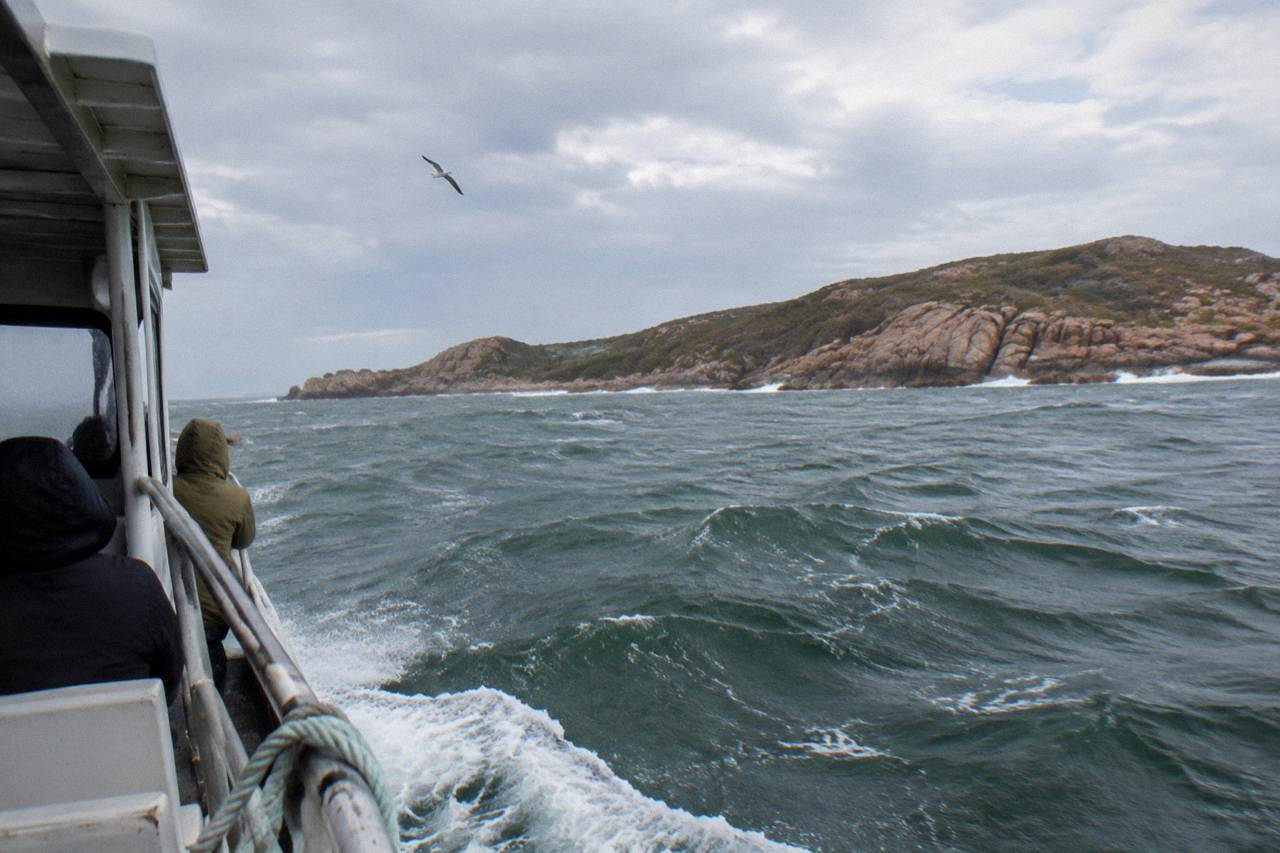
You might, and nobody can promise you will not feel queasy on any boat. Which port each whale cruise leaves from, how long it stays out, and how exposed the water is around the island matter more than blanket claims about "calm" or "rough" seas; the cruises differ on all three, and Cape Woolamai in particular is exposed and can see severe weather changes.
That answer frustrates people who want a yes or a no. It remains the only honest answer, because what a seasick-prone reader really wants to know, whether the water will be calm on a particular morning, is something nobody can promise in advance, not even the operator. What can be stated is geometry and duration. Phillip Island sits at the mouth of Western Port with its back to the strait: Rhyll, the departure point of the Wildlife Coast Cruises 4 hour Whale Watching Cruise from Rhyll (seasonal), faces the bay, while Cape Woolamai, on the island's southern shoulder, faces the open water of Bass Strait. Those are straight-line geography facts, not sailing promises.
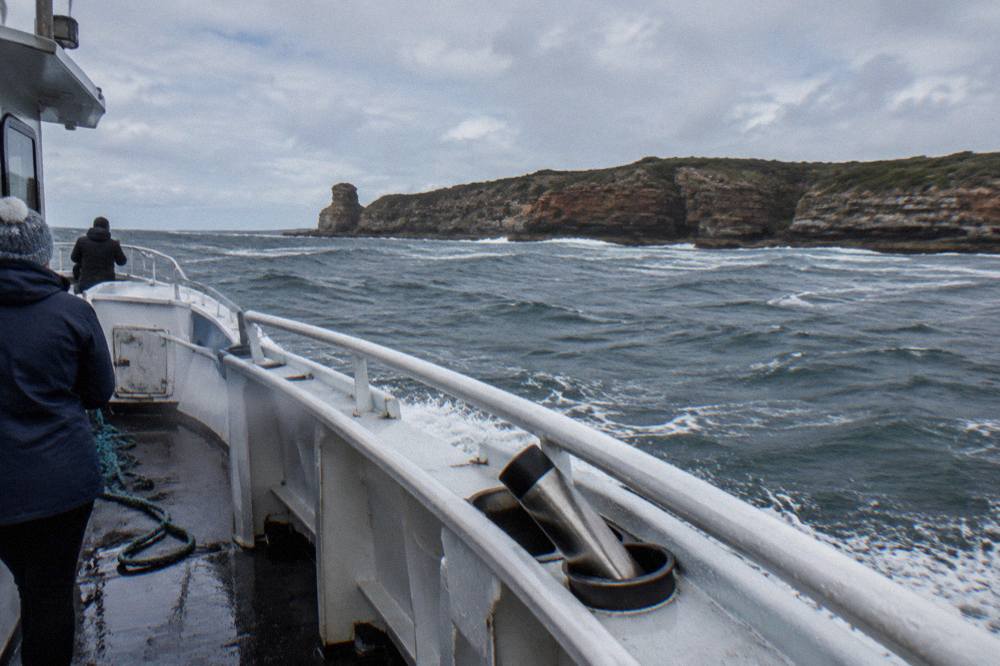
Start with the two products that actually carry the word whale in their names on this site. The Wildlife Coast Cruises 3 hour Dolphin And Whale Cruise from San Remo (seasonal) runs from $93 per person, departs San Remo, and passes the sheer cliffs of Cape Woolamai; it rates 4.6 across 83 reviews. The Wildlife Coast Cruises 4 hour Whale Watching Cruise from Rhyll (seasonal) runs from $122.77 per person, rates 4.7 across 97 reviews, and departs Rhyll. Both are seasonal, late May to September, with the peak in June and July according to Visit Phillip Island. Neither booking page makes any claim about the water on the day, and a booking page that did would be overpromising. If Cape Woolamai is where you hope to spot them, the guide to whale sightings on a Cape Woolamai cruise explains which trip to book and when.
If motion is the worry, the practical step is weighing what you can control: time on the water, the departure point that suits you, and the cancellation terms if the forecast turns. All six cruises on this site state free cancellation up to 24 hours before departure for a full refund, which removes some of the gamble from booking ahead.
Which Whale Cruise Leaves From Which Side Of Phillip Island?
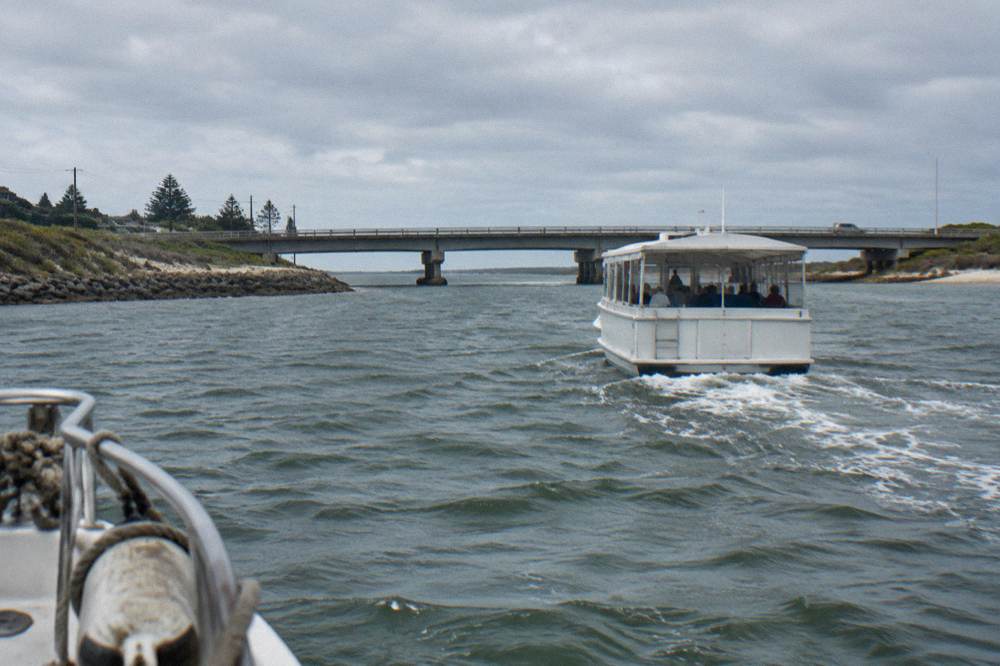
The 4 hour Whale Watching Cruise departs Rhyll, a town on the northern shore of Phillip Island facing Western Port, while the 3 hour Dolphin And Whale Cruise departs San Remo, the gateway town on the mainland side of the bridge, and its booking page names the sheer cliffs of Cape Woolamai on the route. Different ports mean different water, and a reader comparing the two for comfort reasons should compare the ports before anything else.
San Remo sits at the eastern approach to Phillip Island, 1.0 km straight-line from Newhaven across the bridge, and the Wildlife Coast Cruises Dolphin And Whale cruise from San Remo is one of three cruises on this site leaving from there. Rhyll sits on the island's north-facing shore, 8.4 km straight-line north-west of San Remo, and it hosts exactly one departure on this site: the 4 hour whale cruise. Straight-line bearings come from map data, and they describe where the towns sit, not how a boat sails between them.
Why does the port matter to someone worried about motion? Parks Victoria describes Churchill Island Marine National Park, on the eastern shore south of Rhyll, as "protected from the wind and waves of Bass Strait by Phillip Island". That is a description of the bay side of the island, the side Rhyll faces. Phillip Island Nature Parks, writing about Cape Woolamai on the southern side, says the cape "is exposed and can experience severe weather changes". Those two sentences, one from each agency, are the closest thing to a documented contrast you will get, and neither of them predicts any particular day.
| Cruise | Departs | Side of the island | Duration | From (USD pp) | Season |
|---|---|---|---|---|---|
| Wildlife Coast Cruises 4 hour Whale Watching Cruise from Rhyll (seasonal) | Rhyll | North shore, facing Western Port | 4 hours | $122.77 | Late May to September |
| Wildlife Coast Cruises 3 hour Dolphin And Whale Cruise from San Remo (seasonal) | San Remo | Mainland side of the bridge, route passes Cape Woolamai | 3 hours | $93.00 | Late May to September |
Neither booking page states a minimum age, a group maximum or a vessel type, so write to the operator or check the booking page for those details if they matter to your booking. What the booking pages do state is food: the Rhyll cruise includes morning tea with coffee, tea, a muffin and a pastry, and the San Remo dolphin and whale cruise includes tea, coffee and cake, with alcohol, soft drinks and snacks available to purchase. Eating something beforehand is a personal choice, and questions about seasickness remedies are best taken to a pharmacist or doctor.
How Long Are You Actually On The Water?
Duration is the one comfort variable completely fixed in advance: the Rhyll whale cruise is 4 hours, the San Remo dolphin and whale cruise is 3 hours, and a shorter time on the water is a shorter exposure to whatever the water is doing that day. The Cape Woolamai Scenic Cruise from San Remo takes one hour, while the Sunset Cruise from San Remo takes 1 hour 45 minutes.
Four hours is the longest continuous boat trip on this site. The Melbourne day trip with a Wildlife Coast Cruise leg runs about 12 to 13 hours overall, but its boat portion is a 2 hour cruise leg, so it is not the marathon it first sounds like. For a reader whose real question is how many hours might my stomach have to cope with, the honest ranking by water time is: 1 hour for the scenic cruise, 1 hour 45 minutes for the sunset cruise, 2 hours for the seal watching cruise from Cowes and for the Melbourne day trip's cruise leg, 3 hours for the dolphin and whale cruise, and 4 hours for the Rhyll whale cruise.
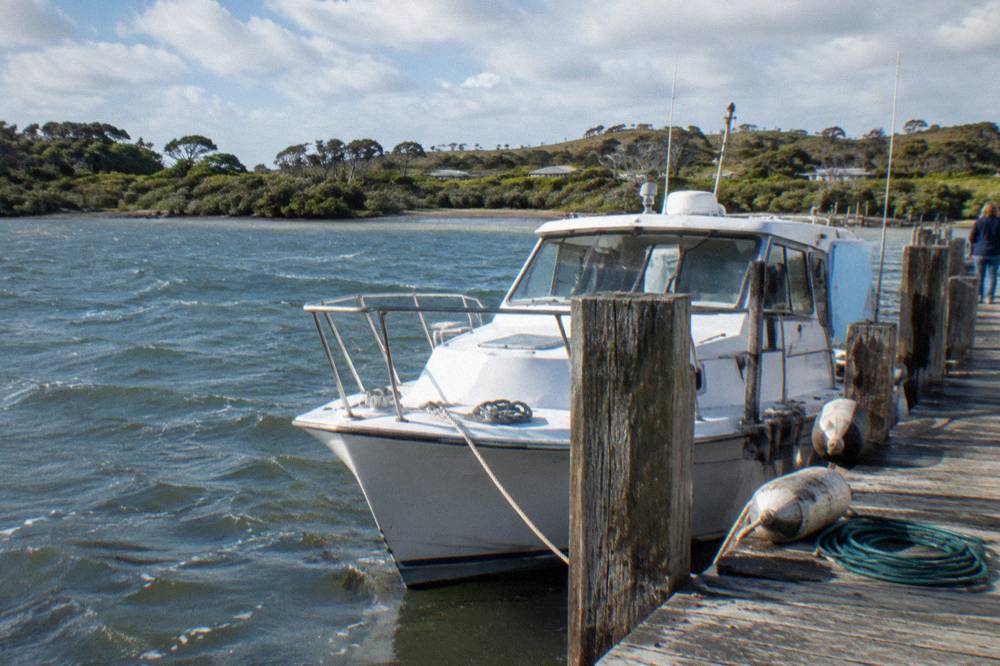
There is a trade-off hiding inside those numbers. The 4 hour whale watching cruise is the longest whale trip you can book here, and its booking page includes morning tea, which tells you the pace is a cruise, not a sprint. The 3 hour cruise from San Remo passes the sheer cliffs of Cape Woolamai, which is the scenery many visitors came for in the first place. Neither duration includes a promised sighting; whales are wild animals, and both booking pages are seasonal precisely because the animals move on their own schedule.
A reader torn between the two can reasonably reason: if four hours on a boat sounds like three hours too many, the 1 hour Cape Woolamai Scenic Cruise from San Remo, from $34 per person and rated 4.6 across 453 reviews, delivers the cape's granite cliffs and caves viewed from the water in a quarter of the time. It lists no whales, so it is not a substitute for a whale cruise in winter, but it is a low-commitment way to test how any boat treats you. The guide to cruises that leave from San Remo, Cowes and Rhyll breaks down all four departure points, including Arts Centre Melbourne for the day trip.
What Do Official Sources Say About Exposure Around The Island?
Official guidance is limited to two agency statements: Nature Parks states that Cape Woolamai "is exposed and can experience severe weather changes", while Parks Victoria says Churchill Island Marine National Park, south of Rhyll on the eastern shore, is "protected from the wind and waves of Bass Strait by Phillip Island".
The exposure statement about Cape Woolamai appears on the Nature Parks page about the cape reserve, and it is written for walkers on the clifftop trails as much as for anyone on the water. The Parks Victoria statement about Churchill Island Marine National Park describes a 670 hectare marine park on the eastern shore south of Rhyll, part of the Western Port Ramsar site, where tidal variations of up to three metres occur. Read together, they sketch the island's basic layout: Cape Woolamai is exposed and can experience severe weather changes. Where any individual cruise sails within that layout on any day is a matter for the operator and the conditions, and the booking pages do not publish routes in that detail.
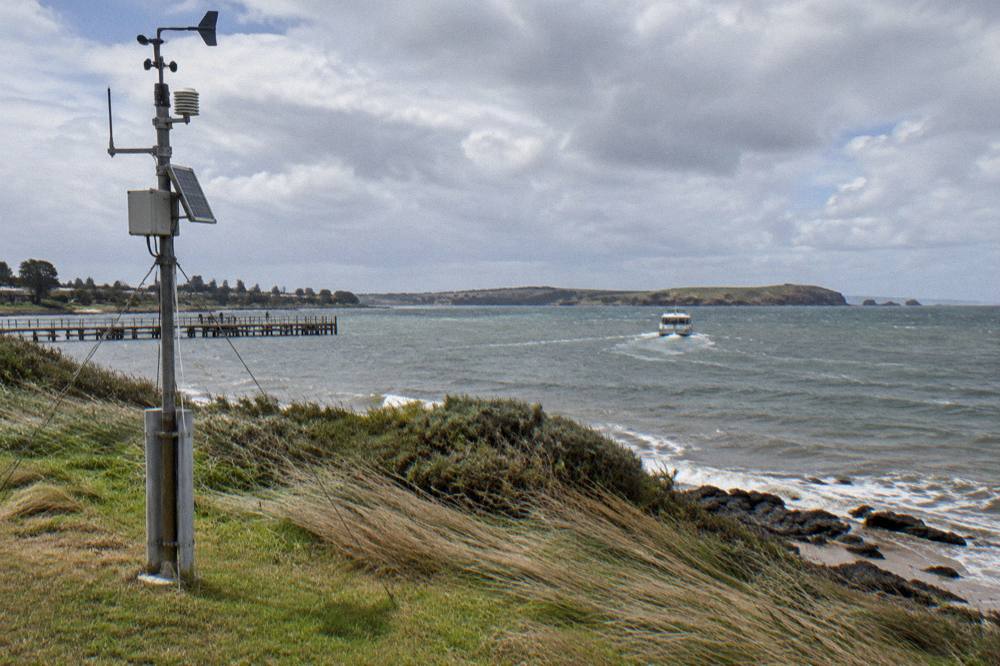
Weather data exists, but only as land measurements. The Bureau of Meteorology's station at Rhyll, on the north shore, records a 3 pm mean wind speed ranging from 16.3 to 21.1 km/h across the year, with May the lowest month and December the highest, and mean July rainfall of 69.7 mm across 12.4 rain days of one millimetre or more. That is a land station, and it says nothing about the state of the open water off the cape; a north-shore reading cannot stand in for a sea condition. The BoM Rhyll climate averages set out the month-by-month figures for anyone comparing seasons.
Cape Woolamai Cruises goes deeper on which cruises suit first-timers, comparing six cruises across three categories with prices and review counts for each.
When Do The Whale Cruises Actually Run?
Both whale products are strictly seasonal: late May to September, with the peak in June and July, per Visit Phillip Island. No whale cruise on this site runs year-round, and any page suggesting you can book one in January is describing something that does not exist here. The winter season also means winter weather, which loops back to the exposure question above.
The season is not a marketing choice, it is the migration. Nature Parks notes that from late May to early July, humpbacks, southern right and killer whales migrate north past the island, and Visit Phillip Island describes the same window with the peak months of June and July. The operator describes humpbacks as "by far the most commonly sighted" whale, southern rights as often resting in sheltered bays, and orcas as much rarer, with pygmy blue and minke whales reported in Bass Strait only from time to time by lucky observers. None of that is a sighting promise, and none of it is a sea-state forecast; it is a description of which animals move through which months.
Winter on the Bass Coast is genuinely wintry, again per the land record: mean July maximum at Rhyll is 13.4 degrees and mean minimum 8.2, with July averaging 12.4 rain days. A reader booking a June whale cruise should plan for cold, wind-driven conditions on deck regardless of how the water behaves, which is why the post on what to wear on a Phillip Island cruise is worth reading before packing. Layers, a windproof outer and a warm hat are the sensible reading of a 13-degree July maximum.
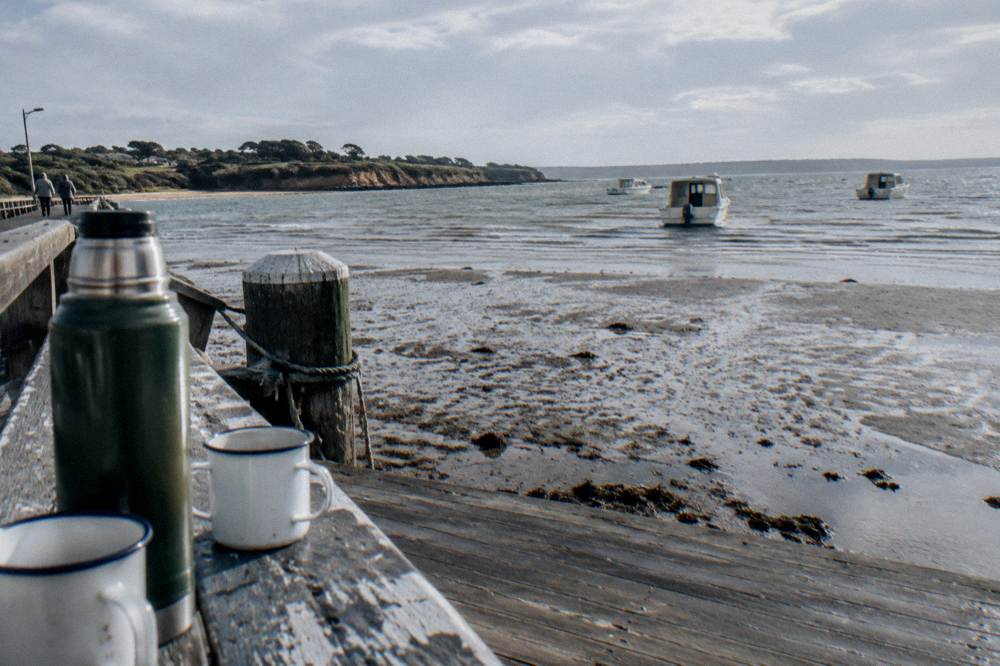
For readers whose stomach rules out four winter hours on the water but who still want an evening on the bay, the Wildlife Coast Cruises Sunset Cruise from San Remo is a different animal: 1 hour 45 minutes, from $55.42 per person, rated 4.7 across 39 reviews, a small review pool, cruising Western Port Bay from San Remo with a fruit and nibbles platter included and live music, with drinks, prawn buckets and cheese platters available to purchase. It lists no whales and no Cape Woolamai, and it does not need them; it sells a short evening on bay water.
Can Weather Cancel The Cruise, And What Happens Then?
All six cruises on this site state free cancellation up to 24 hours before departure for a full refund, and the whale watching cruise, the sunset cruise and the Melbourne day trip additionally state that a weather cancellation by the operator gives you another date or a full refund. So a bad forecast does not trap your money, and the operator, not you, makes the call on unsafe conditions.
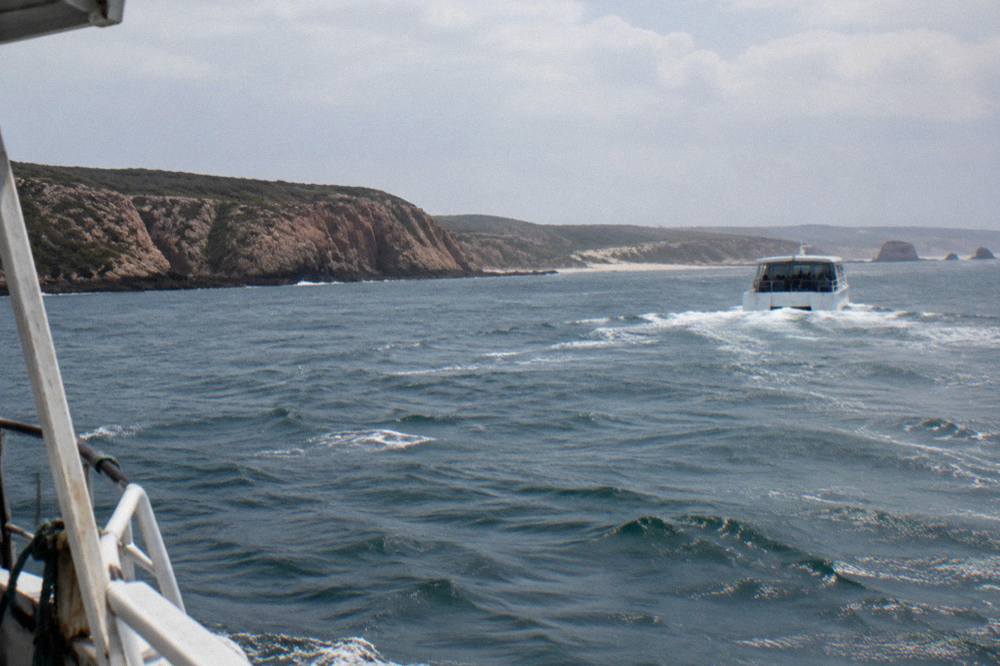
That second clause matters for exactly the reader this page is written for. A cruise cancelled for weather before it leaves is a cruise that never put a queasy passenger on the water, and the remedy is built into the booking terms rather than sold separately. The Melbourne day trip adds a minimum-travellers clause on top, meaning the day can also be called off if bookings are too few, with the same outcome for your wallet. Check the terms on the booking page when you book, because the exact mechanics of rebooking sit there.
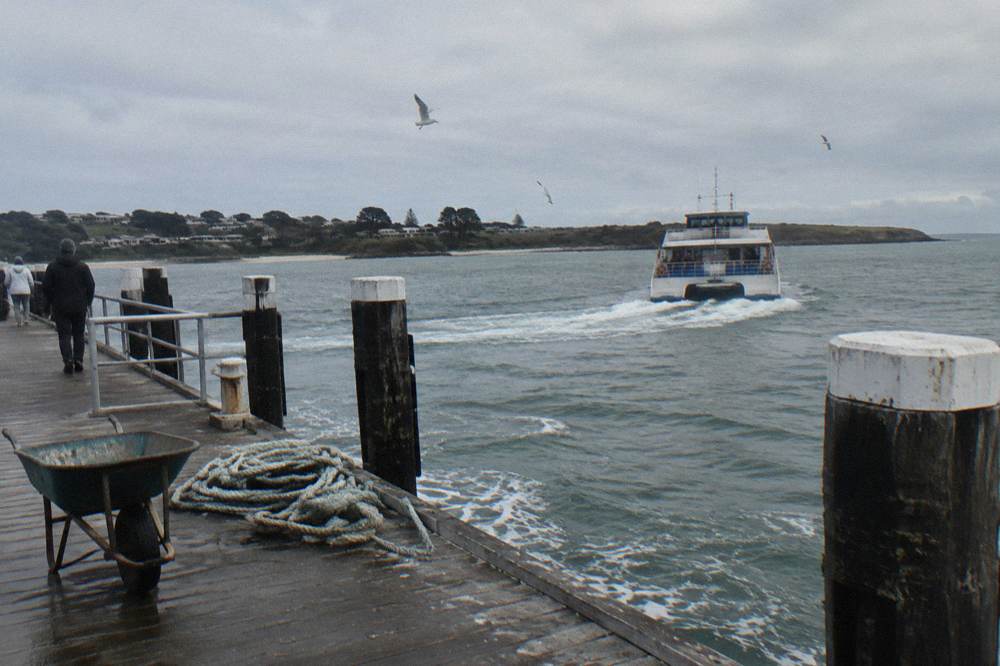
One local infrastructure note sometimes surfaces in searches and can be dismissed: the San Remo Bridge restoration, a $50 million project underway with completion expected mid-2028, keeps the bridge open to cars and pedestrians throughout, and the Premier's announcement states plainly that marine vessel access under the bridge remains available. The bridge carries 3.5 million tourists and up to 15,000 vehicles a day between San Remo and Newhaven, which is context for the summer traffic, not for the water.
If a weather cancellation would strand you on the island, the practical fallbacks are the same as for any Phillip Island plan. Driving from Melbourne to San Remo is 123 km and about 1 hour 35 minutes per the Visit Victoria touring route, and San Remo to Cowes is another 17 km and 25 minutes. The guide to reaching San Remo for a cruise covers the car-free options too, including the V/Line route 1720 coach that stops at San Remo Post Office on Marine Pde and at Cape Woolamai/Phillip Island Rd.
How Do The Viewing Rules Shape The Experience On The Water?
Victorian rules set approach distances for boats around marine mammals, 200 m from whales and 100 m from dolphins, with licensed tour operators permitted to approach closer under operating conditions, and boats must not approach within 60 m of the low water mark at Seal Rocks. For a passenger, the practical effect is that a whale cruise is a slow, deliberate operation at distance, not a chase.
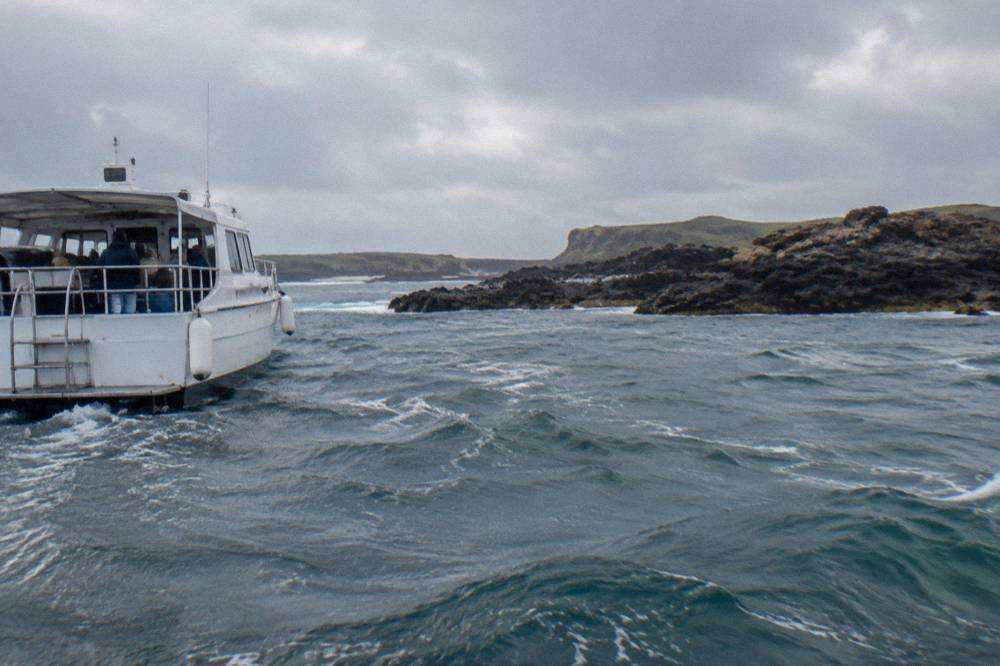
Distances are published on the Department of Energy, Environment and Climate Action's water safety around marine mammals page, together with caution-zone behaviour rules: vessels hold a constant speed no higher than 5 knots near the animals, avoid sudden direction changes, and leave if an animal shows disturbance. The rules say how the boats behave around whales, not how calm the water will be.
Seal behaviour is worth one paragraph since many whale passengers ask about it. Nature Parks describes Seal Rocks, about 1.8 km off Phillip Island at the island's western end, as a breeding area and nursery for around 20,000 Australian fur seals, with between 5,000 and 8,000 seals present at any given time, numbers that vary with tide, temperature, time of day and weather. Only the Wildlife Coast Cruises 2 hour Seal Watching Cruise from Cowes, from $79 per person and rated 4.9 across 236 reviews, is built around Seal Rocks; the dolphin and whale cruise offers seals only as a bonus you might also spot. If a seal colony close-up is the real draw, the seal cruise guide is the page to read, and the post on whether a seal cruise is worth it weighs the same question for that product.
Should You Book The Whale Cruise Anyway?
Yes, book it, as long as seasickness is a mild worry rather than a hard stop. The Rhyll cruise carries a 4.7 rating across 97 reviews and the San Remo dolphin and whale cruise a 4.6 across 83, 24-hour free cancellation keeps your obligation short, and the operator's manner near wildlife is regulated to be slow and steady; just remember nobody can promise the water.
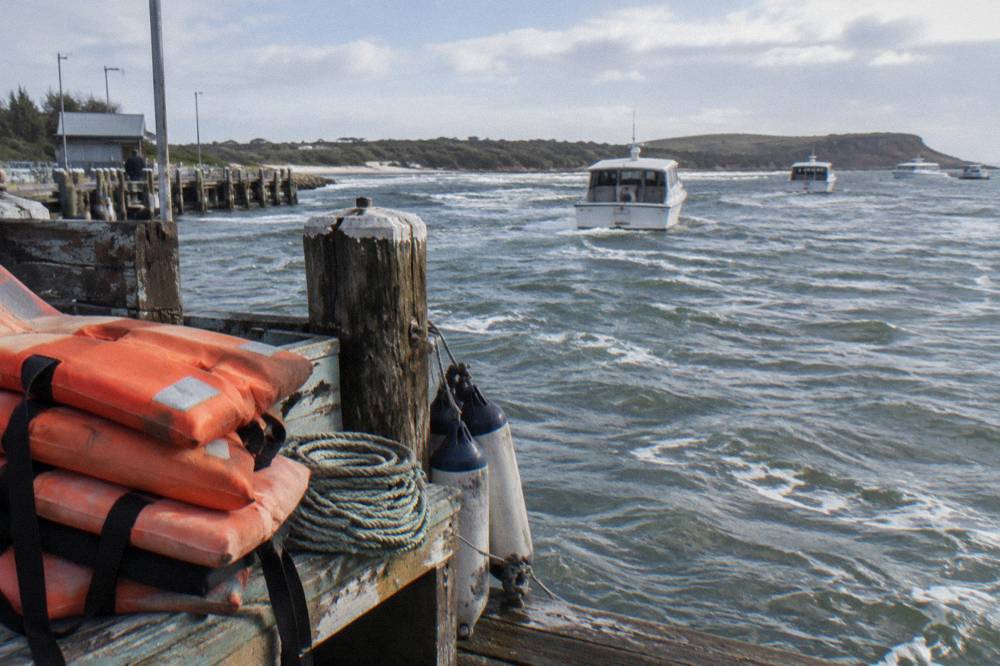
One honest note on those ratings: both review pools are modest, 97 and 83 reviews, so each describes under a hundred travellers' experiences rather than thousands. The 4.9 across 236 reviews for the seal watching cruise is the strongest rating with a 200-plus review pool on this site, and the 1 hour Cape Woolamai Scenic Cruise's 4.6 across 453 is the largest pool of all. None of these numbers measure seasickness; they measure overall satisfaction, which includes everyone who went, felt fine or otherwise, and came home happy enough to leave stars.
The staged approach suits the genuinely anxious. Book the one-hour scenic cruise first, from $34, as an easy introduction to Phillip Island water in any season, then decide whether the four-hour winter product suits you. The scenic cruise is no whale trip and runs outside the whale season, but as a motion test it is the cheapest cruise ticket on this site. If even that sounds like a gamble, the land options are real: Wildlife Coast Cruises names Cape Woolamai, Pyramid Rock, The Nobbies and San Remo as coastal whale viewing spots in season, and Visit Phillip Island runs a Whale Discovery Trail from Eagles Nest in the East to Cowes, with sightings posted on the Wildlife Whales app and PodWatch.
That is the whole honest picture.
Common Questions About Phillip Island Whale Watching Cruises
Will I Get Seasick On A Phillip Island Whale Watching Cruise?
Nobody can promise either way. What is documented: the 4 hour whale cruise departs Rhyll on the bay side of the island, the 3 hour dolphin and whale cruise departs San Remo and passes Cape Woolamai, which Nature Parks describes as exposed with severe weather changes possible. Duration, departure point and the 24-hour free cancellation terms are the controllable variables.
Which Side Of Phillip Island Does The Whale Cruise Leave From?
The 4 hour Whale Watching Cruise departs Rhyll, on the northern shore facing Western Port, the side Parks Victoria describes as protected from Bass Strait by the island. The 3 hour Dolphin And Whale Cruise departs San Remo and passes the sheer cliffs of Cape Woolamai on the southern side.
How Long Are The Whale Cruises On The Water?
Three hours for the Dolphin And Whale Cruise from San Remo, from $93 per person, and four hours for the Whale Watching Cruise from Rhyll, from $122.77 per person. The four-hour whale watching cruise is the longest continuous boat trip of all the Phillip Island tours.
What Time Of Year Do The Whale Cruises Run?
Late May to September, with the peak season in June and July, per Visit Phillip Island. Both whale cruises run from late May to September, with June and July the peak months, and neither promises a sighting; humpbacks are the operator-described most commonly sighted whale, with orcas much rarer.
What Happens If Weather Cancels The Cruise?
All six cruises on this site state free cancellation up to 24 hours before departure for a full refund. The whale watching cruise additionally states that an operator weather cancellation gives you another date or a full refund.
Is There A Shorter Boat Trip To Test The Water First?
Yes. The 1 hour Cape Woolamai Scenic Cruise from San Remo, from $34 per person and rated 4.6 across 453 reviews, is the shortest cruise on the site and views the cape's granite cliffs and caves from the water. It lists no whales, so it is a motion test rather than a whale cruise substitute.