Can You See Whales On A Cape Woolamai Cruise?
The Cape Woolamai scenic cruise lists no whale watching, but two seasonal Wildlife Coast Cruises products do. Here is which boat to book, when whale season runs and what it costs.
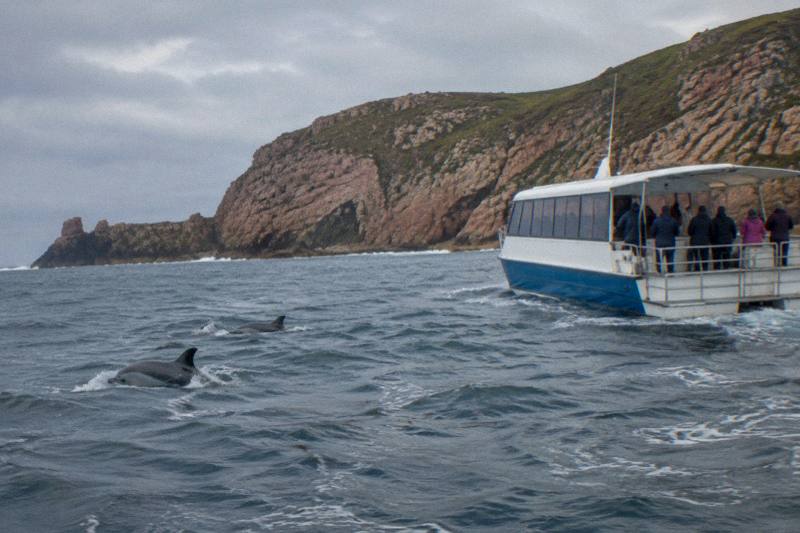
No cruise named for Cape Woolamai is sold as a whale watching trip. The Wildlife Coast Cruises 1 hour Cape Woolamai Scenic Cruise from San Remo, from $34 per person and rated 4.6 across 453 reviews, lists no whales at all. Whale watching around Phillip Island belongs to two seasonal cruises: the 3 hour Dolphin And Whale Cruise from San Remo, which passes the Cape Woolamai cliffs, and the 4 hour Whale Watching Cruise from Rhyll. Both run late May to September only.
The confusion is understandable, because Cape Woolamai itself is a genuine whale watching spot. Phillip Island Nature Parks says that from late May to early July, humpbacks, southern right whales and killer whales migrate north past the cape, and the operator Wildlife Coast Cruises names Cape Woolamai among its coastal viewing points. So the geography and the season are real. What differs is the product: a one hour scenic run past the granite cliffs is not the same booking as a three or four hour whale cruise, and the booking pages reflect that difference plainly.
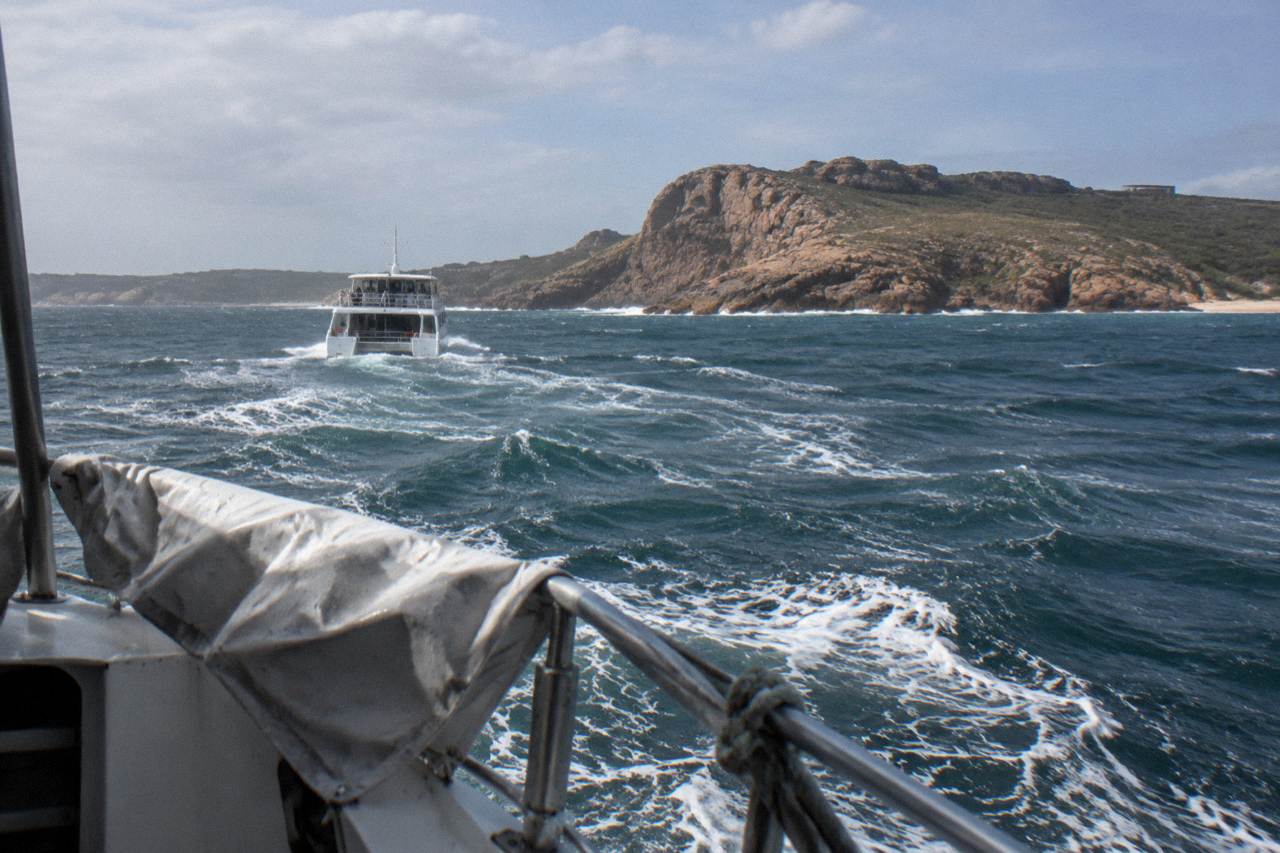
The one hour scenic cruise keeps its own promise. It departs San Remo, cruises toward Cape Woolamai, and views the granite cliffs and caves from the water, with cake, tea and coffee served on board. Its bow deck is open to passengers over 1 metre tall. Free cancellation applies up to 24 hours before departure. Whales simply do not appear anywhere on what that trip advertises, and no honest planning article should suggest otherwise.
That matters for a buyer. A reader searching Cape Woolamai cruise whales is deciding which boat to book, and the difference between a $34 hour on the water and a $93 or $122.77 dedicated whale cruise is the difference between a scenic ride and the trip they actually want. Whale watching around Phillip Island depends on the season, the species passing the island, and how close the boats may legally go; two cruises target whales directly, and there are good options when a visit falls outside the season.
Which Phillip Island Cruises Actually Watch Whales?
Two cruises carry the whale watching brief, both seasonal. The Wildlife Coast Cruises 3 hour Dolphin And Whale Cruise from San Remo, from $93 per person, rated 4.6 across 83 reviews, passes the sheer cliffs of Cape Woolamai. The Wildlife Coast Cruises 4 hour Whale Watching Cruise from Rhyll, from $122.77 per person, rated 4.7 across 97 reviews, is the longest cruise on this site's books. Both sail late May to September.
The two trips start from different ports and frame the day differently. The San Remo departure puts Cape Woolamai at the centre of the route: the booking page for the Dolphin And Whale cruise says the boat passes the sheer cliffs of the cape, and it also mentions that seals might be spotted, without naming Seal Rocks as a destination. Tea, coffee and cake are included, with alcohol, soft drinks and snacks available to purchase. The Rhyll departure is the longer, more dedicated whale product: four hours on the water with a morning tea of coffee, tea, a muffin and a pastry, and the booking page states plainly that hotel pickup is not included.
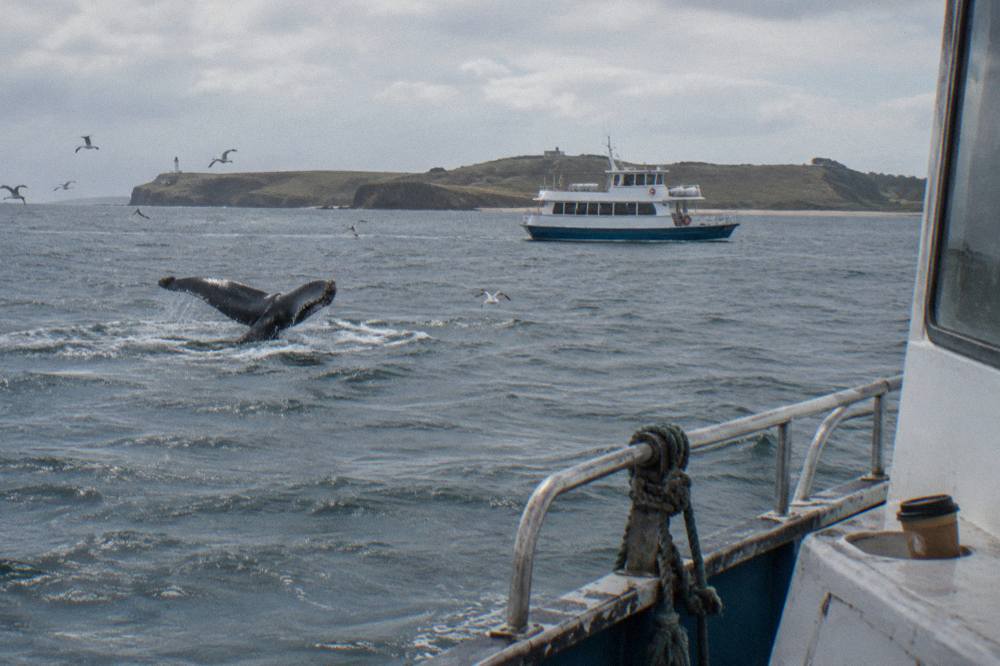
Neither page promises a sighting, and no Victoria whale cruise honestly could. What the pages do promise is the season: late May to September, with the peak months June and July, as Visit Phillip Island states for the island's whale watching generally. A traveler holding a June booking has the timing right; a traveler holding a December booking for either cruise is looking at the wrong product, and the booking calendars will not offer it.
| Cruise | Departs | Duration | From (USD, per person) | Rating and reviews | Cape Woolamai on the page? | Whale season |
|---|---|---|---|---|---|---|
| Wildlife Coast Cruises 1 hour Cape Woolamai Scenic Cruise | San Remo | 1 hour | $34.00 | 4.6, 453 reviews | Yes, cliffs and caves from the water | Not a whale cruise |
| Wildlife Coast Cruises 3 hour Dolphin And Whale Cruise | San Remo | 3 hours | $93.00 | 4.6, 83 reviews | Yes, passes the sheer cliffs | Late May to September |
| Wildlife Coast Cruises 4 hour Whale Watching Cruise | Rhyll | 4 hours | $122.77 | 4.7, 97 reviews | Not named on the page | Late May to September |
The San Remo cruise is the one to pick if the Cape Woolamai coastline itself is part of the draw, since it is the only whale product that names the cape. The Rhyll cruise is the one to pick for time on the water: at four hours it is the longest cruise of the six cruises sold on this site, ahead of the 2 hour seal cruise and the Melbourne day trip's 2 hour cruise leg. Cancellation is free up to 24 hours before departure on both. On the Rhyll cruise, a weather cancellation by the operator opens the choice of another date or a full refund, per that booking page's terms.
Between the two whale products, the whale watching tour is the longest cruise on the water, at four hours. The Dolphin And Whale cruise suits a San Remo or Cape Woolamai base, since San Remo sits just north-northeast of the cape, about 5.1 km away in a straight line across the water. The Rhyll departure suits the north shore: Rhyll lies east-south-east of Cowes, 6.1 km straight-line. The Rhyll trip excludes pickup; the San Remo booking page does not say. Either way, the drive or bus is yours to arrange.
When Is Whale Season Around Cape Woolamai?
Late May to September, with the peak in June and July. That is Visit Phillip Island's stated season for whale watching on the island, and both whale cruises follow it: outside those months neither the San Remo Dolphin And Whale cruise nor the Rhyll Whale Watching cruise operates. Nature Parks adds that the northbound migration past Cape Woolamai runs late May to early July.
The season exists because the whales are travelling, not resident. Humpbacks, southern right whales and, occasionally, killer whales move north along the Victorian coast in winter and return later in the season, and Cape Woolamai's position at the eastern end of Phillip Island puts the migration route within view of both the shore and the water. The coastal whale watching around the island is built entirely around this winter window, which is worth knowing before any summer trip is planned around it.
July, the heart of the season, averages a maximum of 13.4 degrees and a minimum of 8.2. June sits at 14.1 and 9.0. The same months carry some of the year's higher rainfall: July averages 69.7 mm and August 76.6 mm, against January's 38.4 mm. Rain days of 1 mm or more run 12.4 in July and 12.7 in August.
| Month | Mean maximum (C) | Mean minimum (C) | Mean rainfall (mm) | Rain days (1 mm or more) |
|---|---|---|---|---|
| May | 16.5 | 10.8 | 71.8 | 10.8 |
| June | 14.1 | 9.0 | 66.8 | 10.1 |
| July | 13.4 | 8.2 | 69.7 | 12.4 |
| August | 14.4 | 8.5 | 76.6 | 12.7 |
| September | 16.2 | 9.5 | 65.3 | 11.5 |
The reading for a cruise buyer is straightforward: pack for a winter boat trip, not a summer one, and time the booking for June or July if the whale odds are the priority. The seasonal calendar also has a shape worth knowing. Nature Parks places the northbound migration in the late May to early July stretch, while the cruise season extends through September, covering the later winter and early spring movement of whales along the coast. September brings its own bonus at Cape Woolamai, where approximately half a million short-tailed shearwaters arrive in late September after a 16,000 km migration from the Aleutian Islands, as Nature Parks records.
Planning the exact month matters enough that a fuller treatment lives in the post on the best month for a Phillip Island whale watching cruise, and the broader lineup of winter trips is covered in the guide to Phillip Island whale watching tours. For the core question here, the calendar is fixed: late May to September, peak June and July, and no whale cruise outside it.
Can You Watch Whales From The Cape Woolamai Shore Instead?
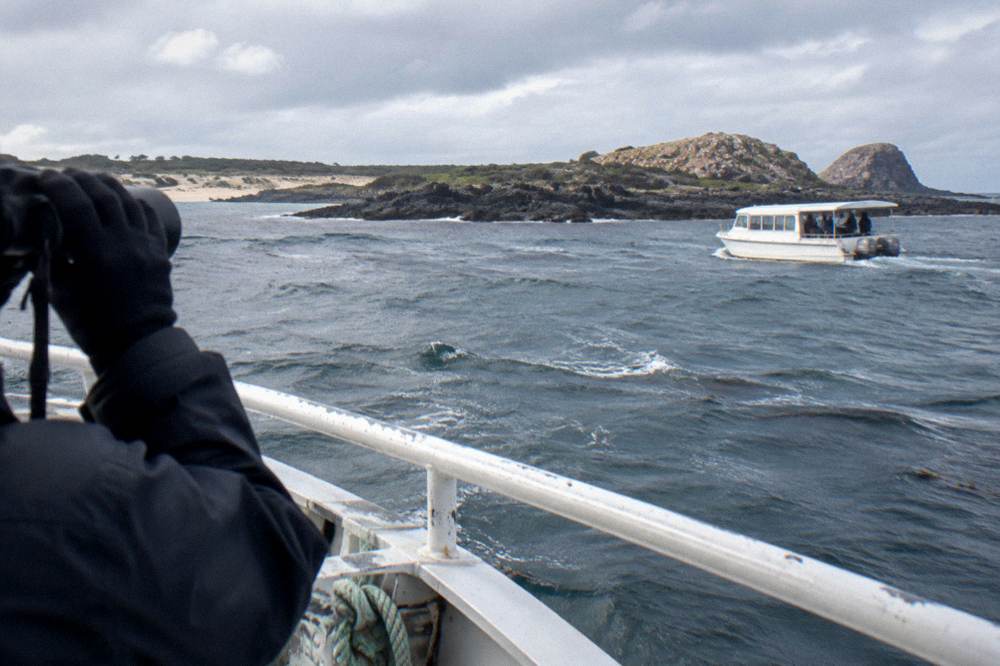
Yes, as a free land option, with patience and binoculars rather than a ticket. Nature Parks names the Cape Woolamai area among the places humpbacks, southern right whales and killer whales pass from late May to early July, and Wildlife Coast Cruises lists Cape Woolamai, Pyramid Rock, The Nobbies and San Remo as coastal whale viewing spots.
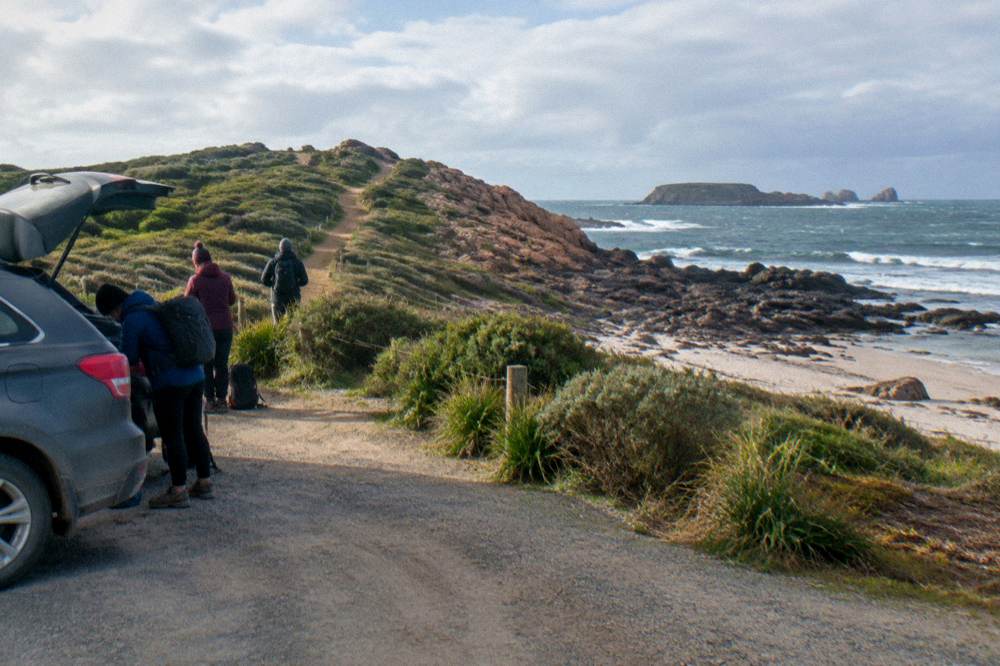
The land option works because the cape is high. The beacon lookout at Cape Woolamai sits at the highest point on Phillip Island, 112 metres, with 360-degree views of the island, San Remo and, on clear days, to Wilsons Promontory, as the Nature Parks reserve page describes. A whale moving along the coast can be visible from that height long before it would be from a beach. No entry fee is listed for the reserve.
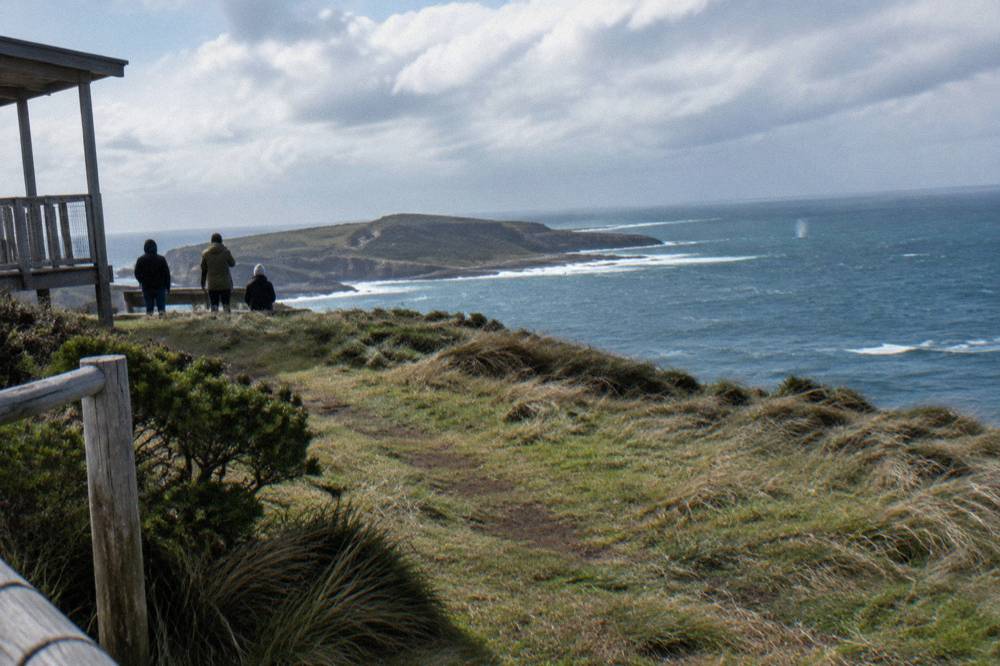
Getting to the lookout is a walk, not a drive-up. The Beacon loop runs 7.2 km and takes about 4 hours return at a moderate grade, starting from the beach car park via the ramp and stairs; the full Cape Woolamai circuit is 8.1 km and about 4.5 hours. The shorter Pinnacles return, 4.4 km and 2 hours at an easy to moderate grade, reaches viewing platforms over the rock formations known as the Pinnacles, though a whale watch from those platforms is a matter of luck and timing. Nature Parks warns that the cape is exposed and can experience severe weather changes, and advises staying 10 metres back from cliff edges and cliff bases.
Two practical notes sharpen the shore option. Visit Phillip Island maintains a Whale Discovery Trail running from Eagles Nest in the east to Cowes, and posts sightings on the Wildlife Whales app and PodWatch for anyone planning a shore visit. And southern right whales, as Visit Phillip Island notes, can sometimes be seen in quite shallow waters within 100 metres of the coast, which is precisely the situation in which a cliff-top watcher has the advantage over everyone at sea level.
The honest comparison is that the shore watch is free and unbookable, while the cruise costs from $93 or $122.77 and puts the viewer at whale height with three or four hours of water time. The two are not rivals.
What Whales Swim Past Phillip Island?
Humpback whales are the ones a cruise is built around: Wildlife Coast Cruises calls them by far the most commonly sighted around the island. Southern right whales also pass, often resting in bays, and killer whales visit occasionally, drawn by the seal colonies. Pygmy blue whales and minke whales are reported in Bass Strait from time to time, rarer and further offshore.
Wildlife Coast Cruises' whale page and Visit Phillip Island's whale watching guide describe the same species, in the same order. Humpbacks first, southern rights second, orcas a genuine but uncommon possibility. The orca detail is worth a sentence of its own: Visit Phillip Island notes that killer whales visit occasionally because seals are a main prey, and the operator adds that orca sightings happen particularly near seal colonies like Seal Rocks. The colony at Seal Rocks, about 2 km off Phillip Island by Nature Parks' measure, is one of Australia's largest fur seal colonies, home to around 20,000 Australian fur seals, with between 5,000 and 8,000 ashore at any given time. Other pages covering the same trip are gathered on Cape Woolamai Cruises.
No cruise on this site promises any of it. The cruises on this site sell the season and the hours on the water, not a sighting, and that is the standard phrasing across Victoria's whale watching industry.
For readers weighing the seal side of the island's wildlife against the whale side, the comparison of a Cape Woolamai cruise against a Seal Rocks cruise covers the details, with whale season running late May to September and peaking in June and July.
How Close Do The Boats Get To The Whales?
For a private boat in Victoria, 200 metres from a whale and 100 metres from a dolphin, with caution zones at 300 and 150 metres. Licensed tour operators may approach closer under permit conditions, per the Department of Energy, Environment and Climate Action. Boats must also stay 60 metres from the low water mark at Seal Rocks itself.
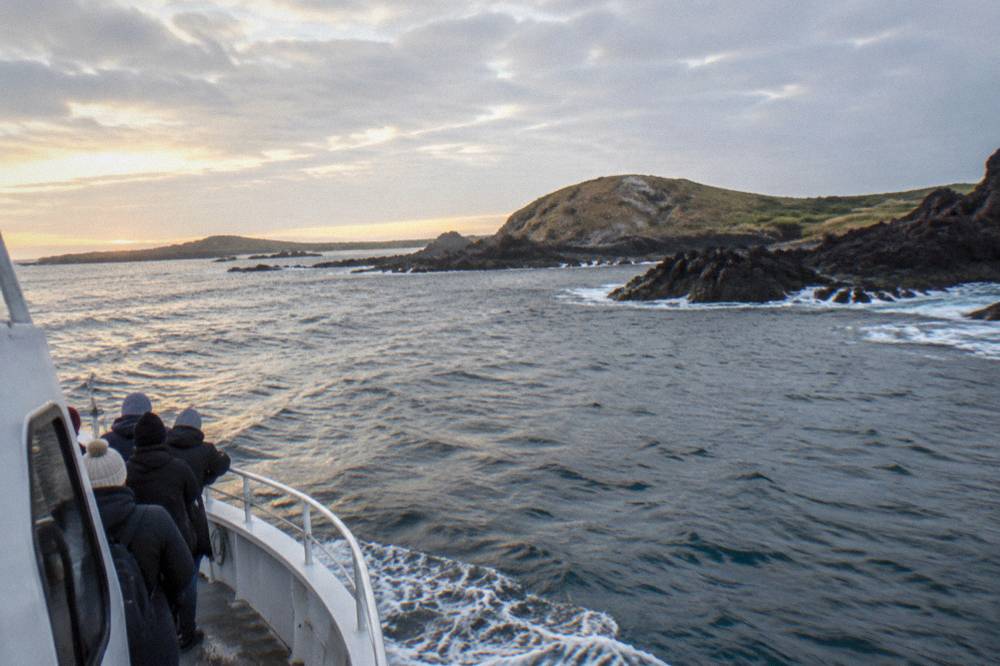
Those distances, from DEECA's water safety around marine mammals guidance, shape what a whale cruise actually is. Inside a caution zone every vessel must avoid sudden direction changes, hold a constant speed no greater than 5 knots, leave if the animal shows disturbance, and never cut across an animal's path or come between a mother and her young. Touching or feeding any marine mammal is illegal. If a whale approaches the boat, the boat's passengers are not committing an offence, which is how some of the closest encounters happen: the whale's choice, not the operator's.
The licensed-operator carve-out is what separates a tour boat from a private tinny. DEECA states that licensed operators are permitted to approach closer than the standard distances, subject to a range of operating conditions. The scenic cruise around Cape Woolamai follows the same wildlife law as everyone else, but it is not built, timed or routed around the whale season.
One further set of rules belongs to the air, not the water. Aircraft including drones must not fly within a 500 metre radius or 500 vertical metres of a whale, dolphin or seal, and at Seal Rocks a 300 metre aircraft limit applies over the breeding colony. Drone owners on the cape's cliff tops during whale season should know that the footage is not theirs to take at close range.
How Much Do The Whale Cruises Cost?
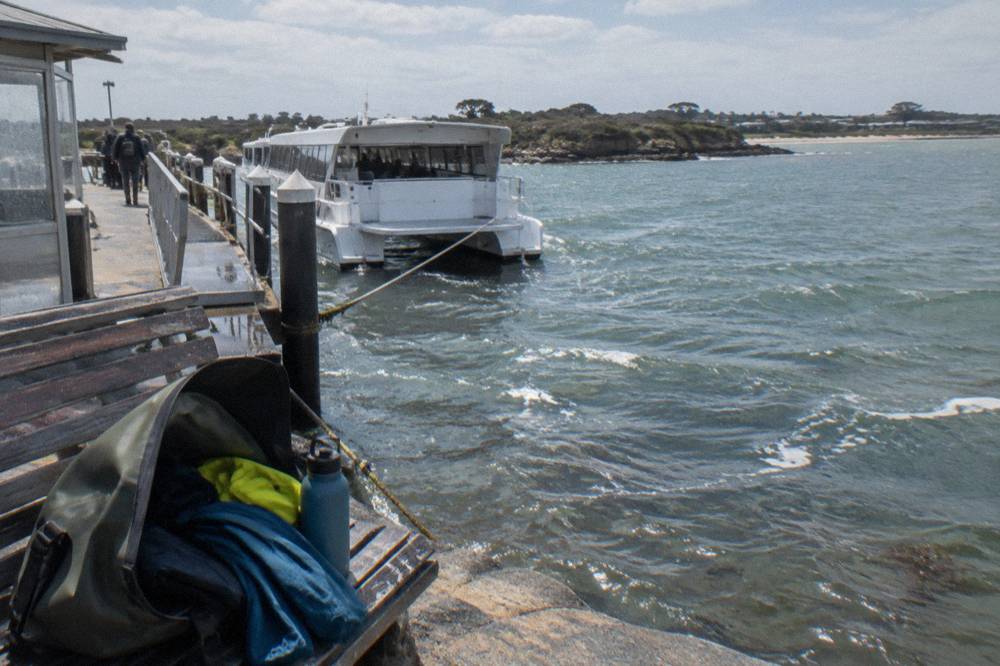
From $93 per person for the 3 hour Dolphin And Whale Cruise from San Remo, and from $122.77 per person for the 4 hour Whale Watching Cruise from Rhyll. Both prices are USD per person as shown on the booking pages, both include free cancellation up to 24 hours before departure, and both carry a weather-cancellation refund or rebooking clause.
At the extremes, the 1 hour Cape Woolamai Scenic Cruise is the cheapest at $34 and the Melbourne day trip with a cruise leg is the priciest at $235.03. Review pools differ in size as well: the scenic cruise carries 453 reviews at 4.6, while the whale cruises carry 83 reviews at 4.6 and 97 at 4.7, honest but smaller samples that come with a seasonal product.
What the fare includes differs between the two whale trips, and the difference is worth reading before booking. The San Remo cruise includes tea, coffee and cake, with alcohol, soft drinks and snacks available to purchase. The Rhyll cruise includes a fuller morning tea of coffee, tea, a muffin and a pastry, suited to a four hour morning on the water. Neither page states a minimum age. The Rhyll booking page notes that pickup is not included, and the San Remo page says nothing about pickup either way.
Booking style favours the flexible. Free cancellation up to 24 hours before departure applies across all six cruises on this site, and only the Rhyll whale watching cruise booking page adds that an operator weather cancellation gives another date or a full refund. A winter product on an exposed coast is exactly the booking where that clause earns its keep, and it is the reason a whale cruise can be reserved early in trip planning without locking the weather gamble in.
What Can You Book Outside Whale Season?
Four cruises run with no whale season attached: the 1 hour Cape Woolamai Scenic Cruise from San Remo from $34, the 2 hour Seal Watching Cruise from Cowes from $79, the 1 hour 45 minute Sunset Cruise from San Remo from $55.42, and the Melbourne day trip from $235.03. None of them lists whales, and all of them run whenever the calendar allows.
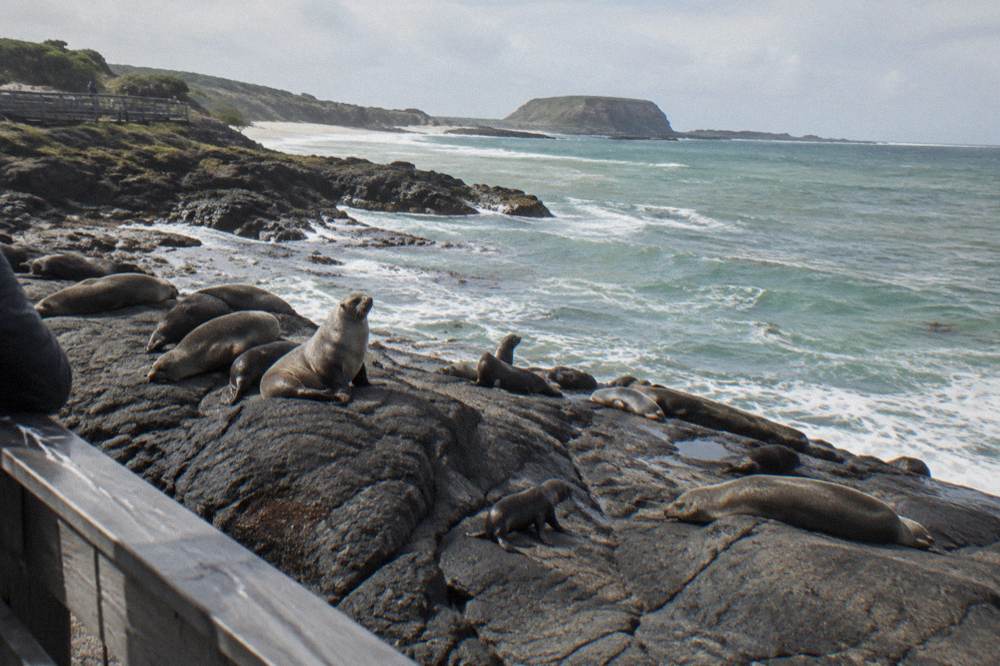
The seal cruise is the strongest wildlife substitute. It is rated 4.9 across 236 reviews, the highest rating on this site with more than 200 reviews, and it is the only cruise that names Seal Rocks as its destination. Seal Rocks supports around 20,000 Australian fur seals, with between 5,000 and 8,000 visible on the rocks at times, and the numbers ashore shift with tide, temperature, time of day and weather; check the booking page for cruise dates. For a summer visitor who has missed the whales by four months, the seals are the reliable answer.
The sunset cruise fills a different slot: 1 hour 45 minutes on Western Port Bay from San Remo with a fruit and nibbles platter included and live music, at 4.7 across 39 reviews, a small review pool worth naming. The Melbourne day trip, run by Local Way Tours with a group capped at 15, is a 12 to 13 hour day from Arts Centre Melbourne with a 2 hour Wildlife Coast Cruises leg plus land stops at the Nobbies and the Penguin Parade, with lunch and dinner at the traveller's own arrangement. Penguins, by the way, are their own question, covered in whether you can see penguins on a Phillip Island cruise.
The one booking decision a whale-minded visitor should not make is buying the scenic cruise and expecting whales. The scenic cruise is a good product on its own terms: an hour past the cliffs and caves, cake and coffee on board, a bow deck for passengers over 1 metre tall, and the largest review pool on the site. But the whale question has two answers on this site, and both of them are seasonal, longer and dearer.
Common Questions About Whales On A Cape Woolamai Cruise
Can You See Whales On A Cape Woolamai Cruise?
No. The 1 hour Cape Woolamai Scenic Cruise from San Remo lists no whale watching: it sells the granite cliffs and caves viewed from the water, with cake, tea and coffee. Whale watching belongs to the seasonal 3 hour Dolphin And Whale Cruise from San Remo, which passes the Cape Woolamai cliffs, and the 4 hour Whale Watching Cruise from Rhyll.
When Is Whale Season At Phillip Island?
Late May to September, with the peak months of June and July, per Visit Phillip Island. Both whale cruises on this site operate only within that window, and Nature Parks places the northbound migration past Cape Woolamai in the late May to early July stretch.
Which Whale Cruise Passes The Cape Woolamai Cliffs?
The Wildlife Coast Cruises 3 hour Dolphin And Whale Cruise from San Remo, from $93 per person, rated 4.6 across 83 reviews. Its booking page says the boat passes the sheer cliffs of Cape Woolamai. The 4 hour Whale Watching Cruise from Rhyll names neither Cape Woolamai nor Seal Rocks.
What Kind Of Whales Swim Past Phillip Island?
Humpbacks are the most commonly sighted, per Wildlife Coast Cruises. Southern right whales also pass, killer whales visit occasionally, and pygmy blue and minke whales are reported in Bass Strait from time to time. No cruise promises a sighting of any species.
Can You See Whales From The Cape Woolamai Shore?
Yes, in season and with luck. Nature Parks lists the cape among the migration viewing points from late May to early July, and the beacon lookout at 112 metres gives wide views. The Beacon loop walk is 7.2 km, about 4 hours return, and no entry fee is listed for the reserve.
Is There A Whale Cruise If I Am Visiting In Summer?
No whale cruise runs outside late May to September. The 2 hour Seal Watching Cruise from Cowes, from $79 per person and rated 4.9 across 236 reviews, names Seal Rocks as its destination, and the booking page gives no season for its trips.